ResourceSeparations

Characterization of a Cannabinomimetic Compound in Synthetic Cannabis by Gas Chromatography-High Resolution Time of Flight Mass Spectrometry (GC-HRT)

20 Sept 2011

This application note shows the analysis of a commercially available synthetic cannabinoid by Gas Chromatography-High Resolution Time of Flight Mass Spectrometry (GC-HRT). The identification of these compounds by GC-MS can be challenging as most of them are not present in commercially available mass spectral search libraries. It was shown that the most abundant analyte detected in the samples was not present in the mass spectral search database (NIST 2008) which was used for spectral searching. Both electron ionization (EI) and chemical ionization (CI) experiments were then conducted to verify the molecular ion. The data was used to perform formula searches which ultimately lead to the identification of a known cannabinoid receptor agonist.

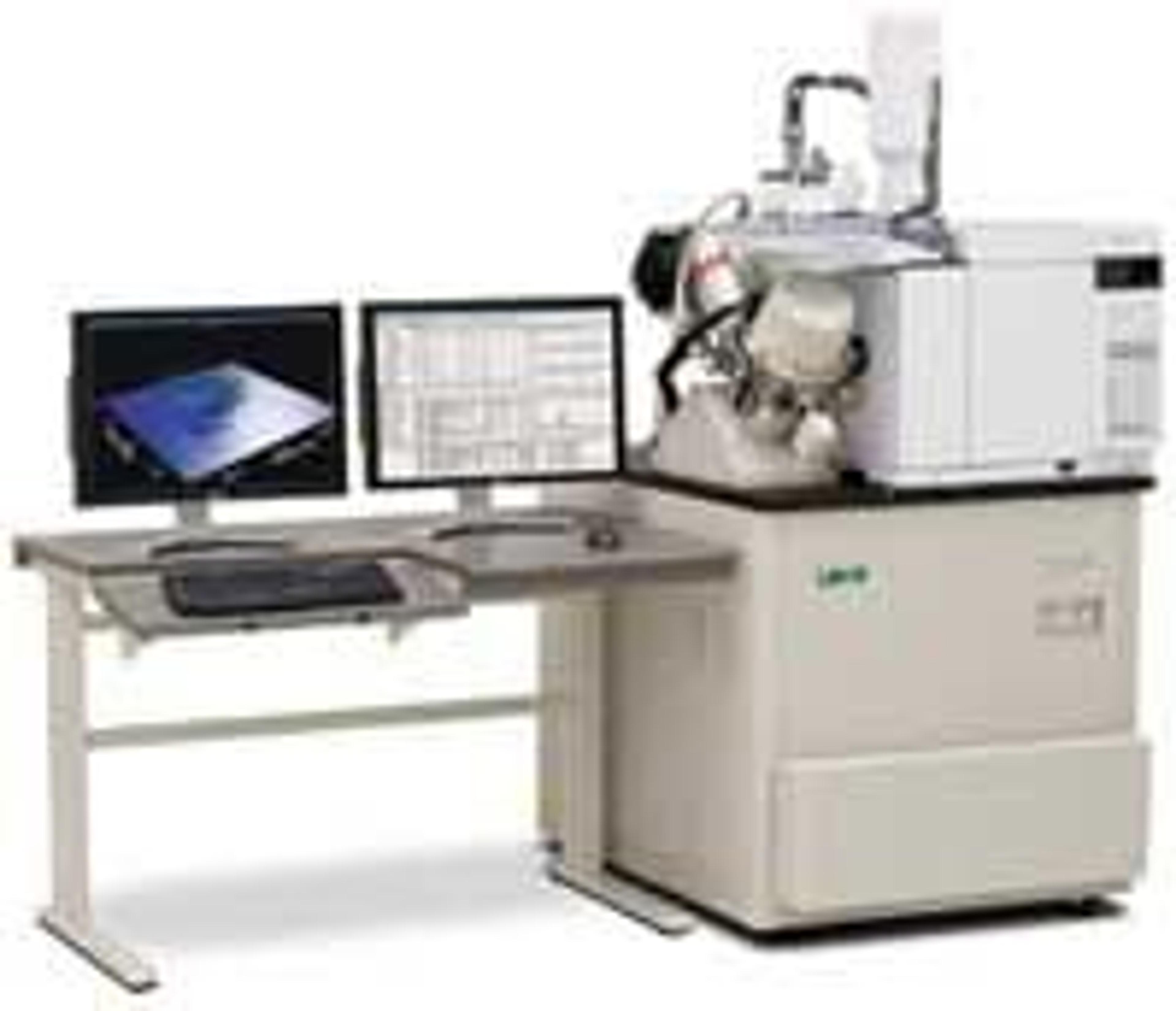
Pegasus® GC-HRT

LECO Corp.

While some systems on the market offer users a choice between acquisition speed or resolution, the Pegasus GC-HRT provides scientists with an unprecedented combination of speed, resolution, mass accuracy, isotopic abundance, and dynamic range. This instrumentation utilizes LECO's own Folded Flight Path™ (FFP™) technology to allow users to achieve resolutions of up to 50,000. LECO's exclusive ChromaTOF-HRT™ software with Automated Peak Find and True Signal Deconvolution® provides seamless data handling and compatibility with the NIST Library.

(3)

Links

Tags

Mass SpectrometryMass spectrometry (MS) is a powerful analytical technique used to identify and quantify molecules based on the mass-to-charge ratio of gas-phase ions. It provides detailed information about the structure, composition, and properties of compounds and is widely used across fields such as environmental monitoring, materials science, drug discovery and development, food and beverage testing, and wider chemical research. Key MS techniques include tandem mass spectrometry (MS/MS), liquid chromatography–mass spectrometry (LS-MS) and inductively coupled plasma (ICP-MS). Choosing from these wide range of techniques and technologies can be a daunting task, so keep up to date with scientific applications, performance expectations, and customer reviews here all in one place. Visit our product directory to receive quotes direct from the manufacturer. Compound LibrariesCompound libraries, or chemical libraries, are used in drug discovery for the identification of potential therapeutics compounds. Used in conjunction with high-throughput screening, the libraries of stored compounds are often generated for specific purposes as a drug target or disease model. Cheminformatics are commonly used when designing a compound library and software can be used to analyze the screening process.  GC-MS GC-MS (gas chromatography-mass spectrometry) instruments and equipment are used to separate, quantify and identify mixtures of small and volatile compounds, such as polycyclic aromatics, fatty acids and alcohols. Often used in drug detection, forensic investigation and environmental analysis for pesticides and contaminants, GC-MS is a powerful addition to your lab’s analytical capabilities. GC-MS/MS instruments equipped with a qTOF or triple quadrupole analyzers can give greater sensitivity and resolution to your analysis. Find the best GC-MS instruments and equipment in our peer-reviewed product directory: compare products, check customer reviews and receive pricing direct from manufacturers.Cannabis