ResourceSeparations

CESI-MS: An Essential Complement to nanoLC-ESI-MS for Complex Proteome Analysis

24 Jul 2013

When analyzing enzymatic digests of selected proteomes using LC-ESI-MS phosphorylated proteins, glycopeptides and low and high molecular weight proteins are often under-represented. This article presents a novel method that integrates capillary electrophoresis with ESI for more comprehensive proteome coverage.

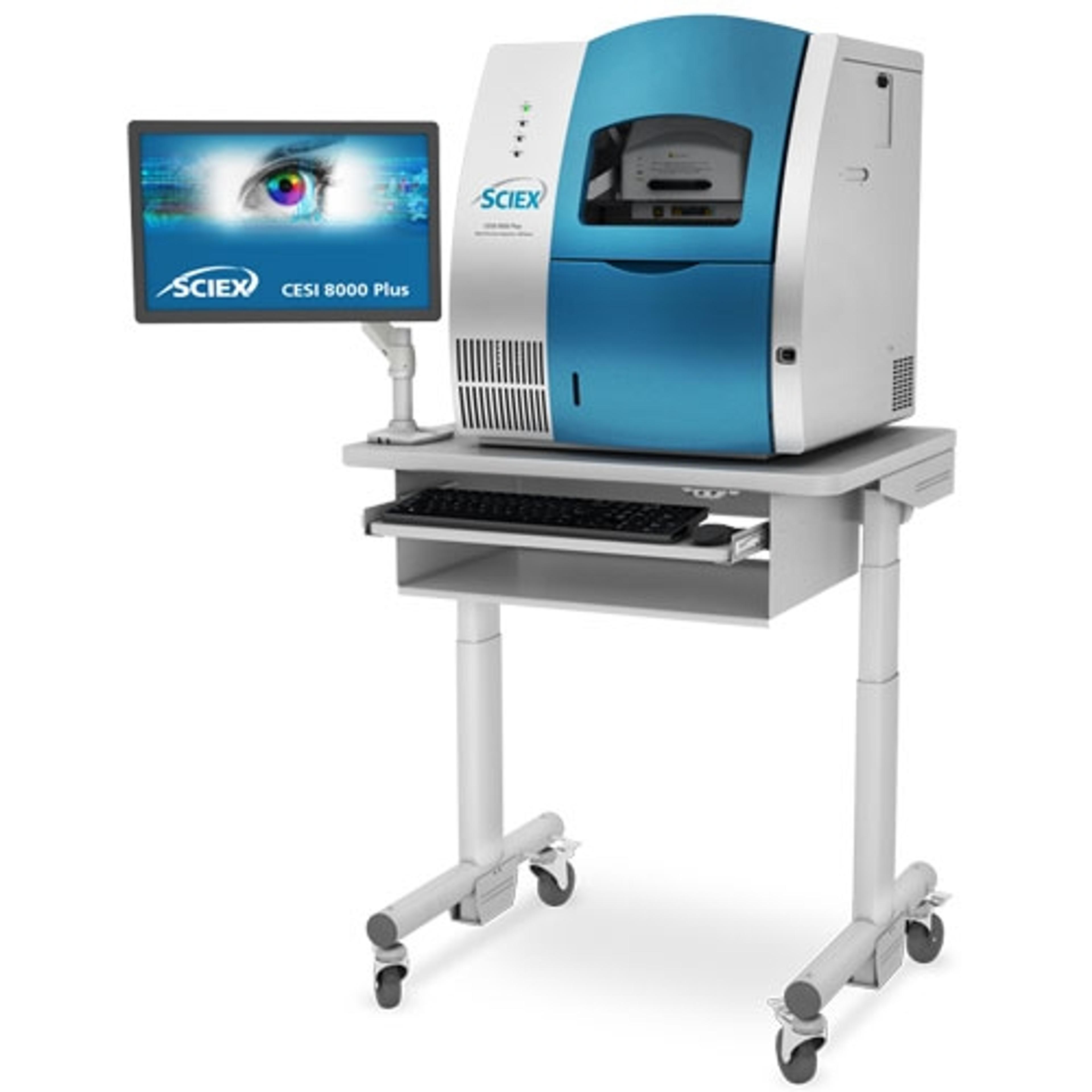
CESI 8000 Plus system

SCIEX

Extending the reach of your mass spectrometer. Mass spectrometry (MS) has become an indispensable technology for the analysis of compounds of biological interest. Our improvements in assay sensitivity and reduction in ion suppression reveal new information that is critical to your research, whether you’re characterizing a therapeutic protein, identifying the proteins that make up a specific proteome, analyzing post-transitional modifications, or studying a metabolomic fingerprint. We developed a new front-end separation and ionization technology called CESI, which combines the high efficiency and ultra-low flow of capillary electrophoresis (CE) with an integrated electrospray ionization source. This optimization of electrospray ionization (ESI) into the nanoflow region has been shown to greatly improve assay sensitivity and reduce ion suppression.  

(0)

Links

Tags

Capillary ElectrophoresisCapillary electrophoresis (CE) is used to separate molecules based on charge, size and hydrophobicity. Pressure, voltage or a vacuum is used to introduce the sample to fused silica capillaries. Fluorescence, UV/Vis, UV or diode array detectors are used to visualize components. Types of CE systems include capillary electrochromatography (CEC), capillary zone electrophoresis and capillary gel electrophoresis. Find the best capillary electrophoresis equipment in our peer-reviewed product directory: compare products, check customer reviews and receive pricing direct from manufacturers.Mass SpectrometryMass spectrometry (MS) is a powerful analytical technique used to identify and quantify molecules based on the mass-to-charge ratio of gas-phase ions. It provides detailed information about the structure, composition, and properties of compounds and is widely used across fields such as environmental monitoring, materials science, drug discovery and development, food and beverage testing, and wider chemical research. Key MS techniques include tandem mass spectrometry (MS/MS), liquid chromatography–mass spectrometry (LS-MS) and inductively coupled plasma (ICP-MS). Choosing from these wide range of techniques and technologies can be a daunting task, so keep up to date with scientific applications, performance expectations, and customer reviews here all in one place. Visit our product directory to receive quotes direct from the manufacturer. ProteomicsProteomics is the systemic bioinformatics study of proteins and amino acids, including their structure, size, function and identification. Tools used in proteomics include chromatography, blotting and gels, protein arrays, mass spectrometry and ELISA and associated analysis software. Analyzers and proteomic systems should be sensitive, high resolution, fast and may be automated for high-throughput.Protein QuantificationThe detection and quantification of proteins in a sample is vital across life sciences, pharmaceutical research and clinical diagnostics, and a variety of equipment is available to scientists to simplify the workflow. Proteins of interest can be easily labeled and detected on light-based detection instruments. Immunoassay kits allow you to identify a specific protein of interest and protein detection beads or antibody microarrays allow you to identify multiple specific proteins at once. Protein interactions and enzyme activity can also be monitored with protein-protein interaction assays. Additionally, the biophysical characterization of proteins is made easy with biokinetic analyzers. Find the best protein detection and quantification products in our peer-reviewed product directory: compare products, check customer reviews and receive pricing direct from manufacturers.Protein BiologyThe analysis of protein expression, identity and function is vital for many areas of life science research and drug discovery. Some of the most commonly used techniques in protein analysis include Western blotting, electrophoresis and mass spectrometry.PeptidesPeptides are short chains of amino acids that play key roles in biological processes, including signaling, immune responses, and enzyme regulation. Peptide research is critical in drug discovery, diagnostics, and vaccine development. Browse our peer-reviewed product directory to find the best peptides and peptide-related products, compare options, check reviews, and get pricing directly from manufacturers.GlycoproteinsPhosphorylationElectrospray Ionization