BrightSite™ Near-Infrared Fluorescent Targeting Agents for Optical Imaging of Disease

25 Mar 2011

This application note by LI-COR Biosciences assesses the use of NIR dyes for clinical in vivo imaging. In the NIR wavelength range (700–900 nm) tissue autofluorescence is lower and light can penetrate more deeply than in visible light wavelengths. Here NIR fluorophores are used to image mice tumours and bone structure.

IRDye 800CW Infrared Dyes

LICORbio

Imaging probes conjugated to IRDye 800CW and IRDye 700DX have propelled more than 20 Phase I and Phase II clinical trials worldwide.
(2)

IRDye 680LT Infrared Dyes

LICORbio

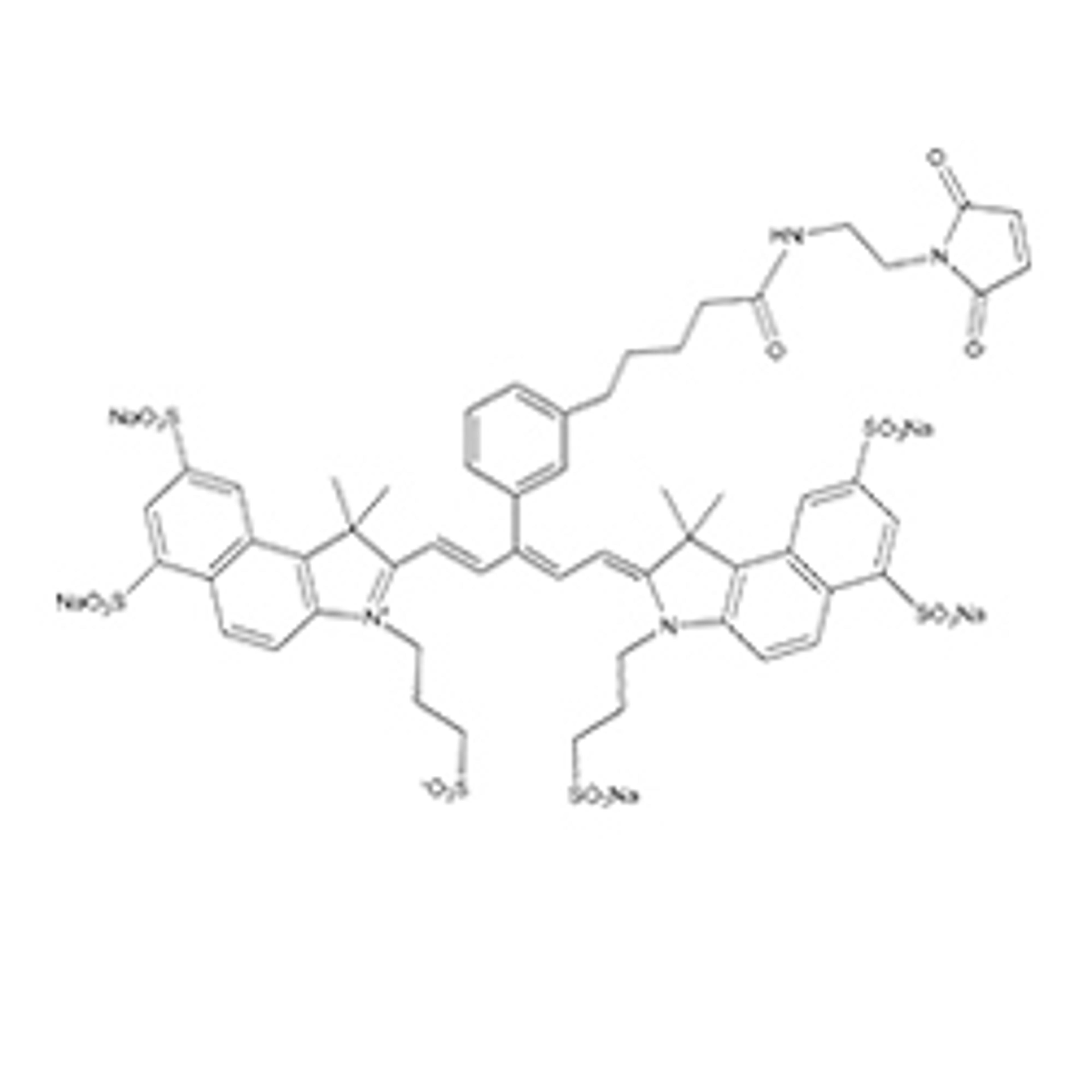
IRDye 680LT dye is highly soluble in water and is significantly brighter and more photostable than many other 700 nm near-infrared dyes.
(0)

Links

Tags

AntibodiesAntibodies are used in techniques such as confocal and fluorescence microscopy, flow cytometry, ELISA, ELISPOT, immunohistochemistry, western blotting and immunopreciptation. Select specific antigen reactivity, high specific affinity, low non-specific binding, monoclonal or polyclonal, primary or secondary antibodies and associated conjugates such as an enzyme or dye for visualization.BiosensorsBiosensors are devices used to detect an analyte using biological molecules specific to the analyte coupled to a detector. Biosensor instruments may be photometric, typically using surface plasma resonance (SPR), electrochemical or QCM (quartz crystal microbalance) biosensors. Biosensors should be selective, portable, robust and sensitive and have a fast response time. Systems may be manual or automated and usually have associated software.Western BlottingWestern blotting equipment is used to transfer and identify specific proteins within a sample, reveal protein modifications, as well as give a semi-quantitative estimation of their concentration. Western blotting equipment includes all apparatus necessary to transfer proteins from gel to membrane and subsequent processing steps. Protein transfer can be performed by electroblotting with wet, semi-dry and dry transfer systems onto nitrocellulose and PVDF membranes. Blocking, washing and labeling of membranes follows, involving buffers, blocking reagents, blotting / incubation trays, labeling reagents, immunoblotting assays, antibodies and conjugates. Automated equipment for these steps is available to accelerate your lab workflow. Finally, detection and imaging of proteins can be conducted using gel documentation and imaging systems. Find the best western blotting equipment in our peer-reviewed product directory: compare products, check customer reviews and receive pricing direct from manufacturers.Cell / Tissue CultureCell culture or tissue culture is used to study the biology of cells or tissues and to isolate cellular products in an environment which can be manipulated and well defined. Accurately control your culture environment with bioreactors or culture incubators, bind your cells to a surface or together with an extracellular matrix. Distinguish cell types with differential media or proliferate cells with certain characteristics using selective media. Enrich your media with supplements such as growth factors, sera and vitamins. Find the best cell and tissue culture products, kits and equipment in our peer-reviewed product directory: compare products, check customer reviews and receive pricing direct from manufacturers.Genome AnalysisGenomics, the study of genomes, includes functional genomics, evolutionary genomics and comparative genomics. There are many genomic technologies such as DNA sequencing of whole genomes, computational biology and bioinformatics. DNA and nucleic acids must be isolated and concentrated from cells for analysis with kits, automated analyzers and software. Other useful technologies for studying genomics include PCR, microarrays and electrophoresis.ProteomicsProteomics is the systemic bioinformatics study of proteins and amino acids, including their structure, size, function and identification. Tools used in proteomics include chromatography, blotting and gels, protein arrays, mass spectrometry and ELISA and associated analysis software. Analyzers and proteomic systems should be sensitive, high resolution, fast and may be automated for high-throughput.High-Throughput ScreeningHigh-throughput screening (HTS) is an automated drug discovery technique for identification of active compounds against a compound library. Use HTS readers and integrated assay preparation / analysis workstations to screen your compounds. Identify active compounds against various HTS libraries, including membranes, proteins and peptides and HTS cell lines. Find the best high-throughput screening products in our peer-reviewed product directory: compare products, check customer reviews and receive pricing direct from manufacturers.Cell Lines Stem Cells and Primary CellsPrimary cell cultures, established cell lines and stem cells are vital for <i>in vitro</i> and <i>ex vivo</i> experimentation. High-quality cells, optimized for your applications, alongside optimized cell substrates, growth medium and supplements, are critical for experimental success. Explore a range of cells suitable for your applications, including isogenic cell lines, competent cells, induced pluripotent stem cell (iPSC)-derived cell lines, fungal/bacterial/mammalian cell lines, stem cells and cancer cell lines. Find the best cells for your research in our peer-reviewed product directory: compare products, check customer reviews and receive pricing direct from manufacturers.Gel Doc / Image AnalysisGel documentation (gel doc) or gel imaging systems are used for the analysis of proteins, antibodies and nucleic acid immobilized in polyacrylamide or agarose gels, membranes or microarrays. Explore a range of a gel imaging systems, densitometers, scanners, transilluminators or UV lamp + CCD cameras for your image analysis solutions. Colorimetric, fluorescent and/or radioisotopic samples can be visualized and documented for further analysis. See gel doc / Image analysis software for quantitative 1D and 2D analysis of your samples. Find the best gel doc / image analysis products in our peer-reviewed product directory: compare products, check customer reviews and receive pricing direct from manufacturers.Labware and Lab SuppliesLabware and lab supplies include various forms of glassware, plasticware, reagents and personal protective equipment (PPE) and are used across all scientific laboratories, enabling daily tasks to be performed. Explore a range of flasks and beakers, petri dishes, carboys and storage bottles. Labware such as condensers, desiccators and burettes are also available for more specific tasks. Find the best labware and lab supplies in our peer-reviewed product directory: compare products, check customer reviews and receive pricing direct from manufacturers.ADME-ToxicologyADME-toxicology (ADME-Tox) studies are used in pharmacology and pharmacokinetics to assess the activity/toxicity of drugs <i>in vivo</i> or <i>in vitro</i>. Find bioassays for absorption, distribution, metabolism, and excretion of drug molecules including cytotoxicity, transporter/permeability, metabolism and activity assays as well as hepatocytes and cell lines for ADME. Find the best ADME-toxicology products in our peer-reviewed product directory: compare products, check customer reviews and receive pricing direct from manufacturers.Flow Cytometry / Cell CountingFlow cytometers are used to count, sort and examine multiple characteristics of cells. Other cell analysis equipment includes image cytometers, cell counters, fluorescence-activated cell sorters (FACS), magnetic-activated cell sorters (MACS), and a range of flow cytometry assay kits. Flow cytometers can reveal information on cell viability, cell proliferation, apoptosis and cell cycle progression, as well as identify cell populations and intracellular or cell-surface molecules. Additionally, some flow cytometers, known as FACS, have an additional sorting function after analysis. Cell counters and image cytometers count live and dead cell populations and can also conduct cell proliferation assays. Find the best flow cytometers, cell counters and cell sorters in our peer-reviewed product directory: compare products, check customer reviews and receive pricing direct from manufacturers.Assay AssemblyAssay Assembly is technique used in drug discovery to develop assays to test the cytotoxicity, genotoxicity, or other activities of a compound on a cell. Assay assembly requires chip assembly, a delivery system and a detection and analysis method. Beneficial features of assay kits or automated systems include high-throughput, high speed and sensitivity and low signal to noise ratio.Cell-Based AssaysCell-based assays are used to monitor the presence, quantity and activities of a desired cellular analyte including drug molecules or biomarkers. This can reveal information on cell health (apoptosis, cytotoxicity, viability and proliferation assays), cell metabolism, cell migration and cell signaling mechanisms. Find the best cell-based assay products, kits and equipment with our peer reviewed product directory: compare products, check customer reviews and receiving pricing direct from manufacturers.High-Content ScreeningHigh-content screening (HCS), also known as high-content analysis (HCA), is a high-throughput technique used in drug discovery to identify substances that alter the phenotype of cells. HCS uses fluorescent microscopic imaging and automated image analysis to investigate cellular events such as apoptosis, cell viability, GPCR activation, oxide production, neurite outgrowth, and cell signaling. Find the best fluorescent labeling reagents, cellular assays, and high-content imaging systems in our peer-reviewed product directory: compare products, check customer reviews and receive pricing direct from manufacturers.