
ResourceLife Sciences
BiFC assay for determination of in-vitro protein-ligand interaction
4 Jul 2024Bimolecular fluorescence complementation (BiFC) assay is a method used to directly visualize protein-protein interaction in cells. Azure Biosystems and the Malchiodi Lab, University of Buenos Aires, Argentina, explore the application of the BiFC assay to the study of in vitro interaction between the Zika virus NS4B protein and its ligand, TBK1. Discover how the Sapphire Biomolecular Imager makes it possible to detect bimolecular fluorescence complementation spots from transfected adherent cells grown in clear plastic well plates.
Related products
Request Quote for All Products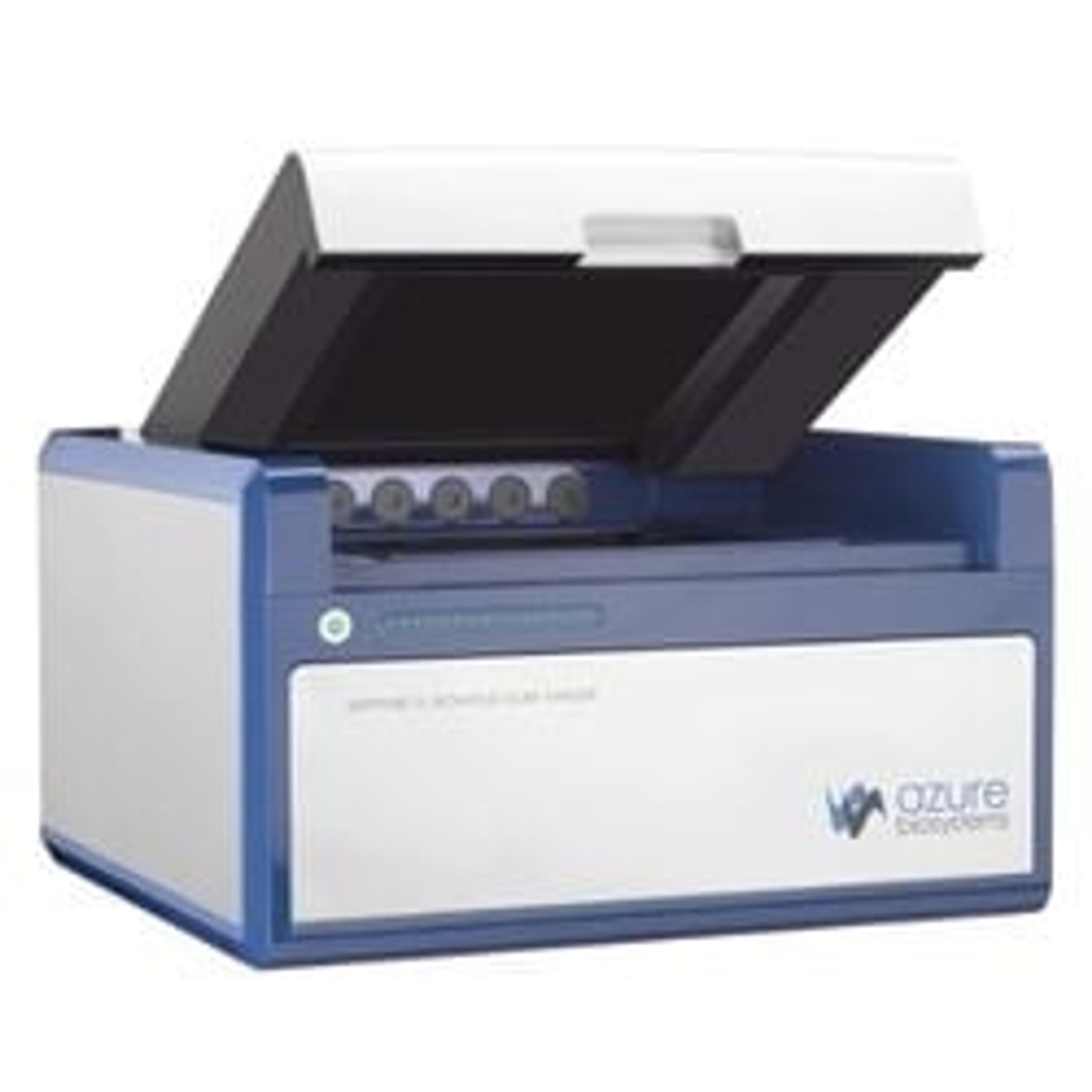
Azure Sapphire FL Biomolecular Imager
Azure BiosystemsDesigned for flexible choice in detection chemistry and samples, the Sapphire FL brings precise quantitation of nucleic acids and proteins.
Links
Tags
Cell-Based AssaysCell-based assays are used to monitor the presence, quantity and activities of a desired cellular analyte including drug molecules or biomarkers. This can reveal information on cell health (apoptosis, cytotoxicity, viability and proliferation assays), cell metabolism, cell migration and cell signaling mechanisms. Find the best cell-based assay products, kits and equipment with our peer reviewed product directory: compare products, check customer reviews and receiving pricing direct from manufacturers.Protein InteractionsProtein interactions are essential for understanding cellular processes, as proteins work together to carry out biological functions. Studying protein interactions can provide insights into disease mechanisms, drug development, and cell signaling pathways. Explore the best tools for protein interaction research in our peer-reviewed product directory; compare products, check reviews, and get pricing directly from manufacturers.LigandsFluorescence Scanning