
ResourceSeparations
Best Practices in Proteins Sample Preparation
22 Oct 2017This best practices guide for protein sample preparation using the Precellys® Evolution presents two application notes and two specific protocols for protein extraction.
Related products
Request Quote for All Products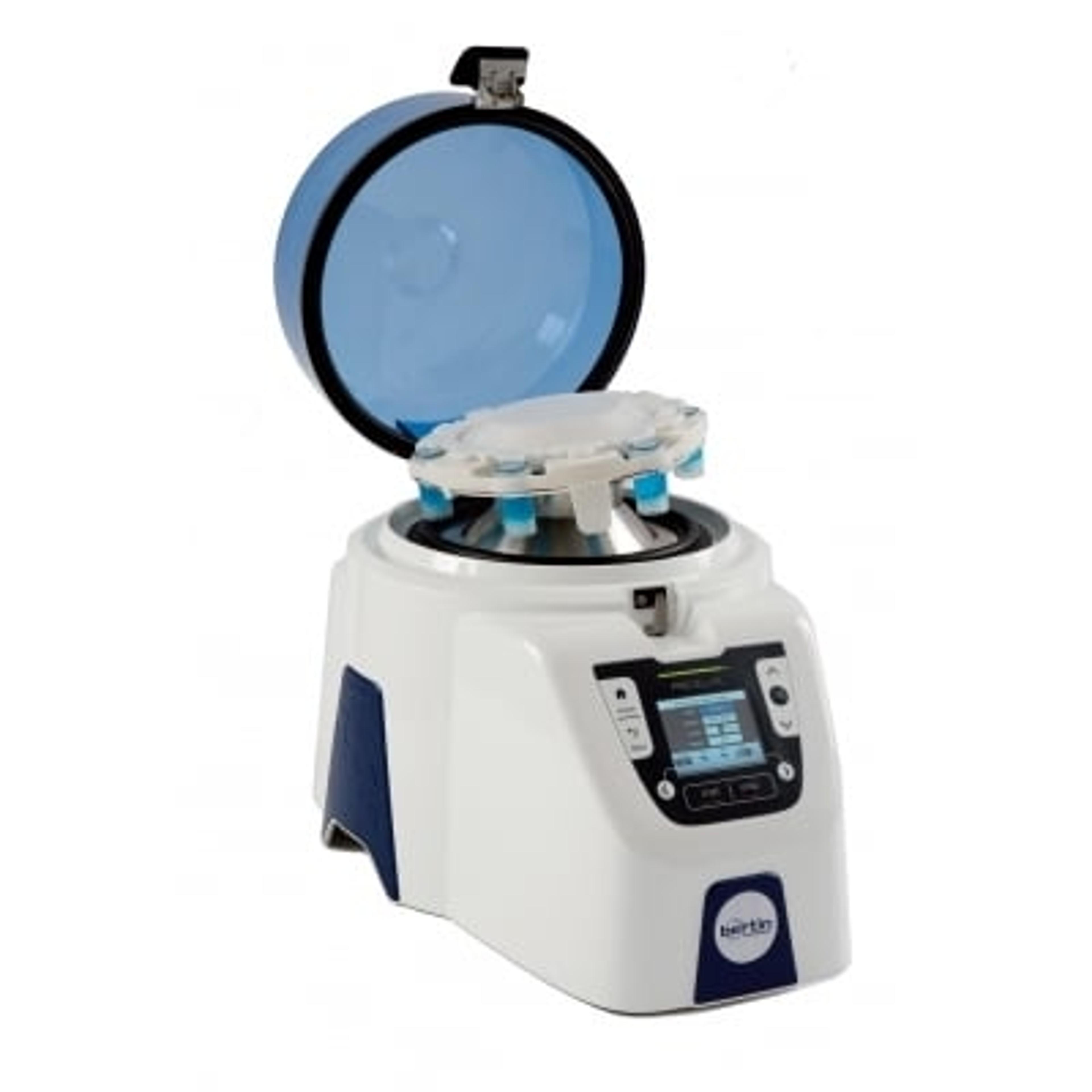
Precellys® Evolution - Tissue Homogenizer
Bertin TechnologiesThis product has been discontinued. See the newer version of this product linked below.
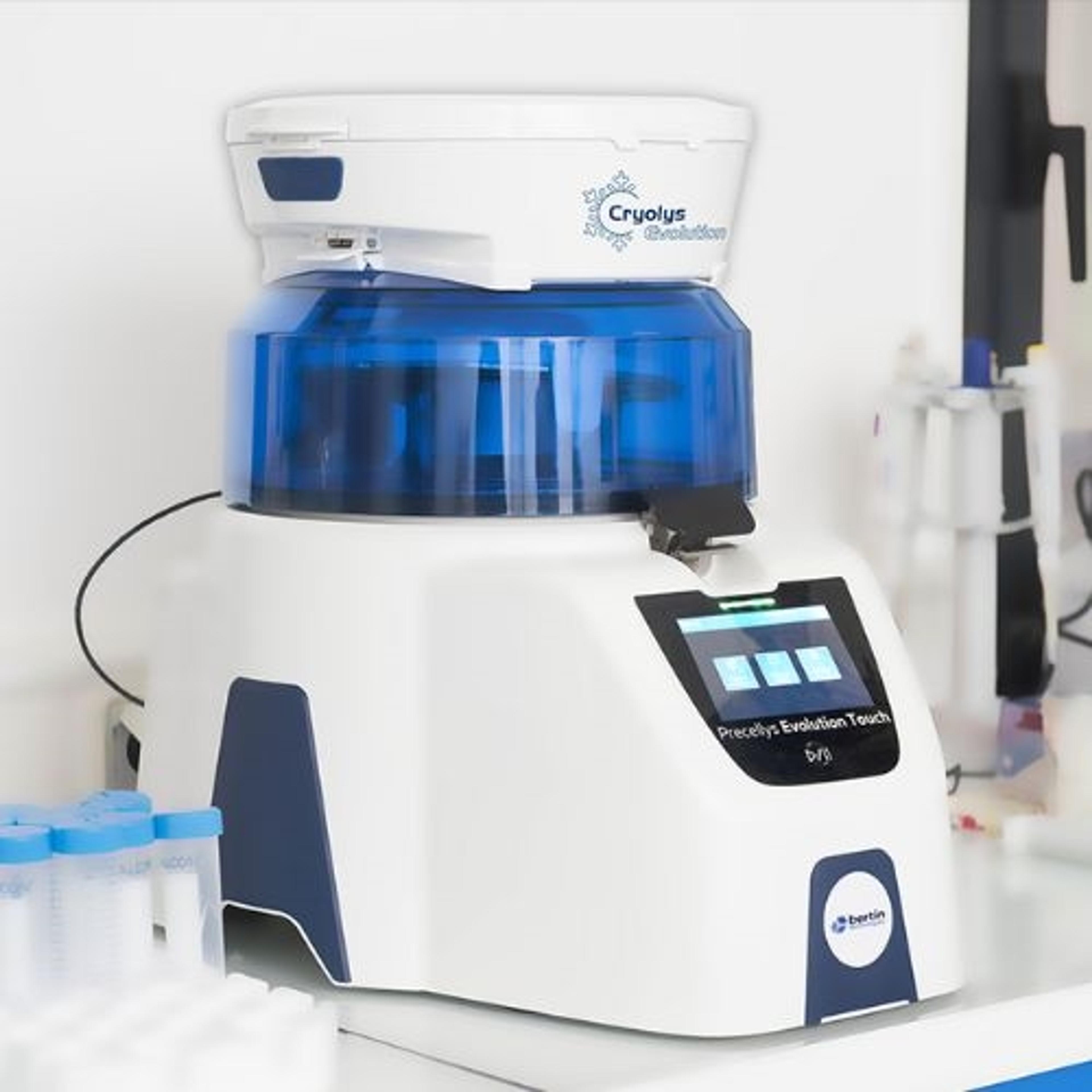
Cryolys Evolution - Cooling System for Thermo-Sensitive Samples
Bertin TechnologiesCryolys Evolution is a patented cooling system compatible with Precellys Evolution tissue homogenizer. It prevents thermo-sensitive samples from heat degradation during homogenization process.
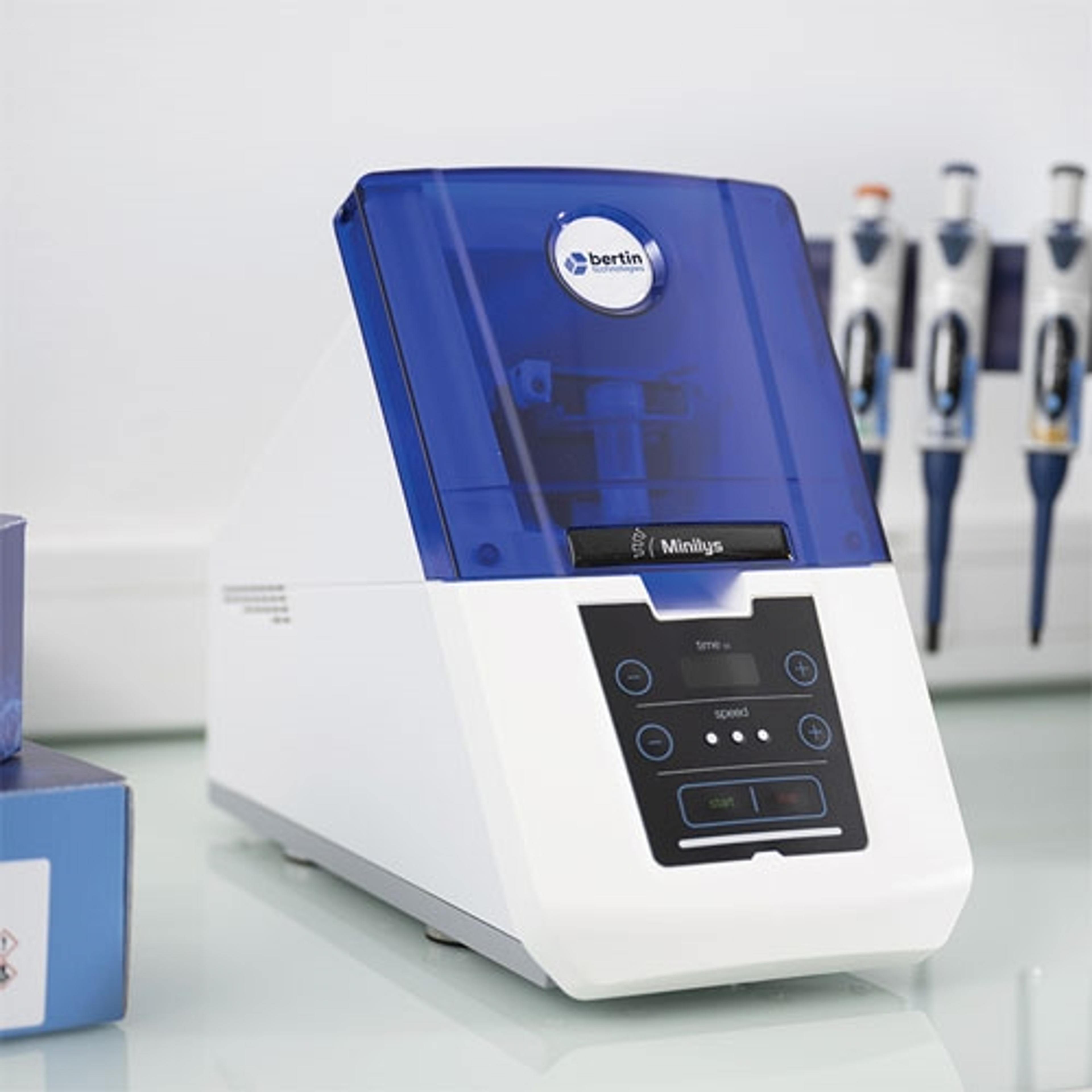
Minilys - Personal Tissue Homogenizer
Bertin TechnologiesFlexible homogenizer for rapid sample disruption
Links
Tags
LC-MSLC-MS (liquid chromatography-mass spectrometry) systems and equipment are used for separation and quantitative analysis of complex mixtures, combining liquid chromatography and mass spectrometry. Quantify proteins, contaminants, pesticides or screen for drug metabolites with a high level of sensitivity. LC-MS systems and equipment include reverse phase, normal phase and specialized columns integrated with various MS detectors such as time-of-flight (TOF), quadrupole, orbitrap or ion trap mass analyzers. LC-MS/MS instruments equipped with a qTOF or triple quadrupole analyzer give greater sensitivity and resolving power to your analysis. Find the best LC-MS equipment in our peer-reviewed product directory: compare products, check customer reviews and receive pricing direct from manufacturers.Mass SpectrometryMass spectrometry (MS) is a powerful analytical technique used to identify and quantify molecules based on the mass-to-charge ratio of gas-phase ions. It provides detailed information about the structure, composition, and properties of compounds and is widely used across fields such as environmental monitoring, materials science, drug discovery and development, food and beverage testing, and wider chemical research. Key MS techniques include tandem mass spectrometry (MS/MS), liquid chromatography–mass spectrometry (LS-MS) and inductively coupled plasma (ICP-MS). Choosing from these wide range of techniques and technologies can be a daunting task, so keep up to date with scientific applications, performance expectations, and customer reviews here all in one place. Visit our product directory to receive quotes direct from the manufacturer.
ProteomicsProteomics is the systemic bioinformatics study of proteins and amino acids, including their structure, size, function and identification. Tools used in proteomics include chromatography, blotting and gels, protein arrays, mass spectrometry and ELISA and associated analysis software. Analyzers and proteomic systems should be sensitive, high resolution, fast and may be automated for high-throughput.Solid-Phase ExtractionSolid-phase extraction (SPE) is used for clean-up, extraction and concentration of semi-volatile or non-volatile analytes from complex mixtures including blood, urine and food samples. Multiple formats are available for conducting SPE, including prepacked SPE cartridges, disks and microplates, as well as SPE sorbent powders for manual packing. SPE systems can be used to automate the process and extract multiple samples at once. Solid-phase microextraction (SPME) and supported liquid extraction (SLE) products are also available in the same formats. Find the best SPE, SLE and SPME equipment in our peer-reviewed product directory: compare products, check customer reviews and receive pricing direct from manufacturers.Homogenizers and BlendersHomogenizers and blenders are used to homogenize various types of material, including tissue, cells, plants, food, soil, biological and chemical samples for subsequent analysis. Lab equipment for sample homogenization includes handheld and benchtop homogenizers, bead mill, ultrasonic and multiple sample homogenizers, high shear homogenizers and blenders. Homogenizer bead and probe multipacks are available to avoid cross contamination of samples, as well as cooling systems for homogenizing temperature-sensitive samples. Homogenizers are often used in the first step of extraction of DNA, RNA and proteins from tissue and cell samples. Find the best homogenizers and blenders in our peer-reviewed product directory: compare products, check customer reviews and receive pricing direct from manufacturers.Sample PreparationSample preparation can improve the quality and speed of separation techniques. Products to assist sample preparation include filtration equipment, evaporators, membranes and sieves.Tissue ProcessingTissue processing involves preparing biological tissue samples for microscopic analysis, including fixation, embedding, and sectioning. This process is essential for histopathology and diagnostic applications. Explore tissue processing products in our peer-reviewed product directory; compare products, check reviews, and get pricing directly from manufacturers.Sample HomogenizerHomogenizingLysisProtein BiologyThe analysis of protein expression, identity and function is vital for many areas of life science research and drug discovery. Some of the most commonly used techniques in protein analysis include Western blotting, electrophoresis and mass spectrometry.