Automating next-generation library preparation

6 Jun 2021

Next-generation sequencing technology has been pivotal in determining the unique nucleic acid sequences of a plethora of organisms from microscopic nematodes to humans. Scientists use next-generation sequencing to peer into the human genome and identify key transcriptomic profiles that impact human health and disease. Extracting nucleic acid sequences and adequately preparing this sprawling genetic information is crucial to the success of next-generation sequencing.

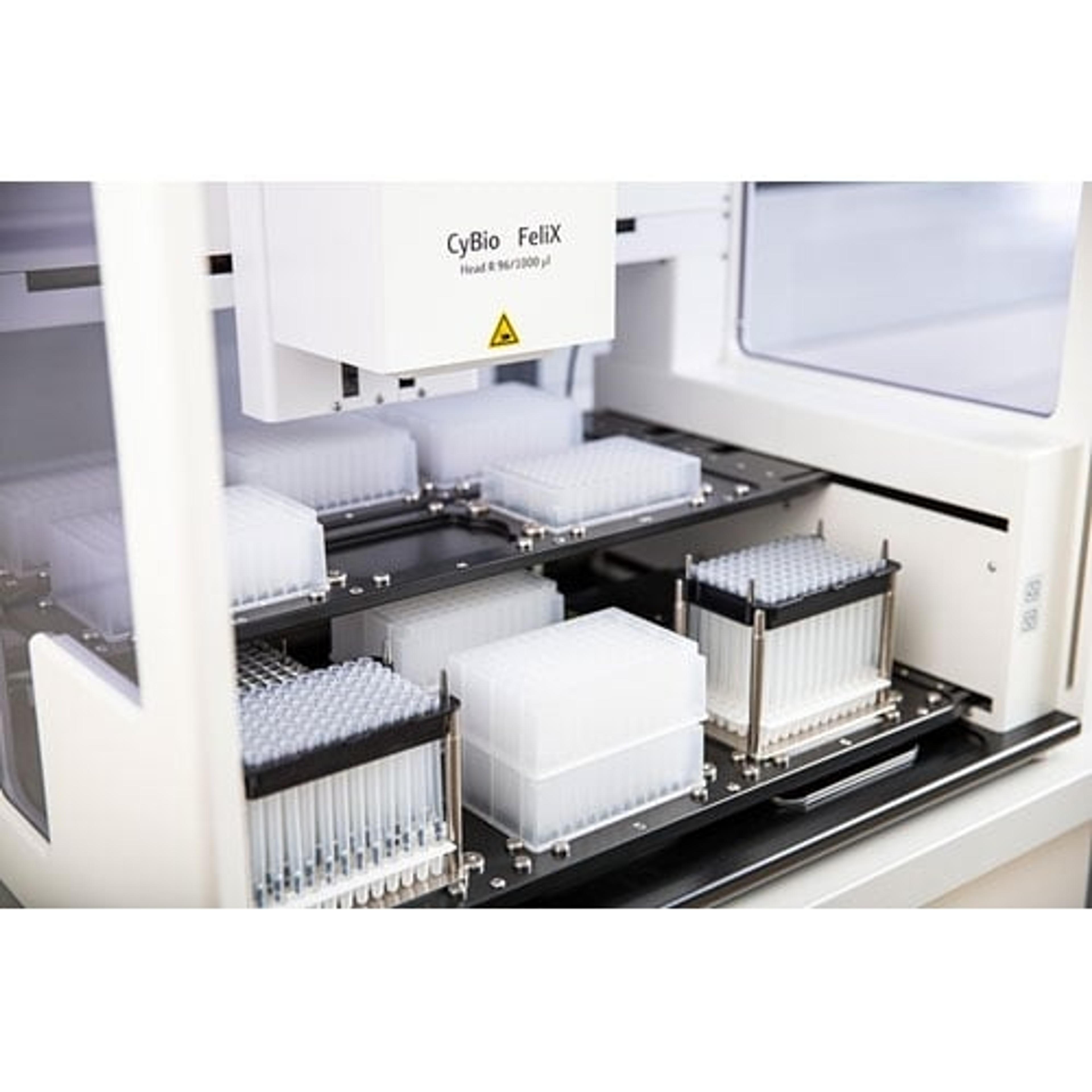
CyBio FeliX

Analytik Jena GmbH+Co. KG

CyBio FeliX – Flexible Benchtop Liquid Handling Flexible pipetting platform for fully automated single to multichannel liquid handling. Discover the new accompanying CyBio FeliX SELECT Head with 8 independent channels and volumes for your hit picking, normalization and pooling applications.

(10)

Links

Tags

Next Generation SequencingNext-generation sequencing (NGS), also known as whole-genome sequencing, high-throughput sequencing and massive parallel sequencing, produces and analyses thousands to millions of nucleotide sequences at once. Sequencing systems operate via varying technologies depending on the manufacturer, including sequencing by synthesis, ligation, pyrosequencing, ion semiconductor and single-molecule real-time sequencing. For NGS, library preparation is paramount to successful sequencing. In this section, explore a range of library preparation kits, from targeted, amplicon-based or hybridization-based kits including epigenomic, transcriptomic and genomic workflows to fragmentation kits. Find the best next-generation sequencing products in our peer-reviewed product directory: compare products, check customer reviews and receive pricing direct from manufacturers.DNADeoxyribonucleic Acid (DNA) is the main component of chromosomes and the carrier of genetic information of living organisms. Find out here about PCR, NGS, ChIP-Seq, gel imaging, and many other techniques which can be used for the analysis of DNA.
Automating next-generation library preparation