
Automated Solutions for Cellular Analysis Through Flow Cytometry
31 May 2015Flow cytometry is a powerful tool to analyze cell populations at the single-cell level. This ability is crucial for researchers that focus on heterogeneous cellular populations, as in the case of oncology research. Unfortunately, to assay cells in this fashion frequently involves a complex array of manipulations. This application note demonstrates how automation can assist with all steps of flow cytometry sample preparation—from cell culture and stimulation to generation and staining of cell suspensions.
Related products
Request Quote for All Products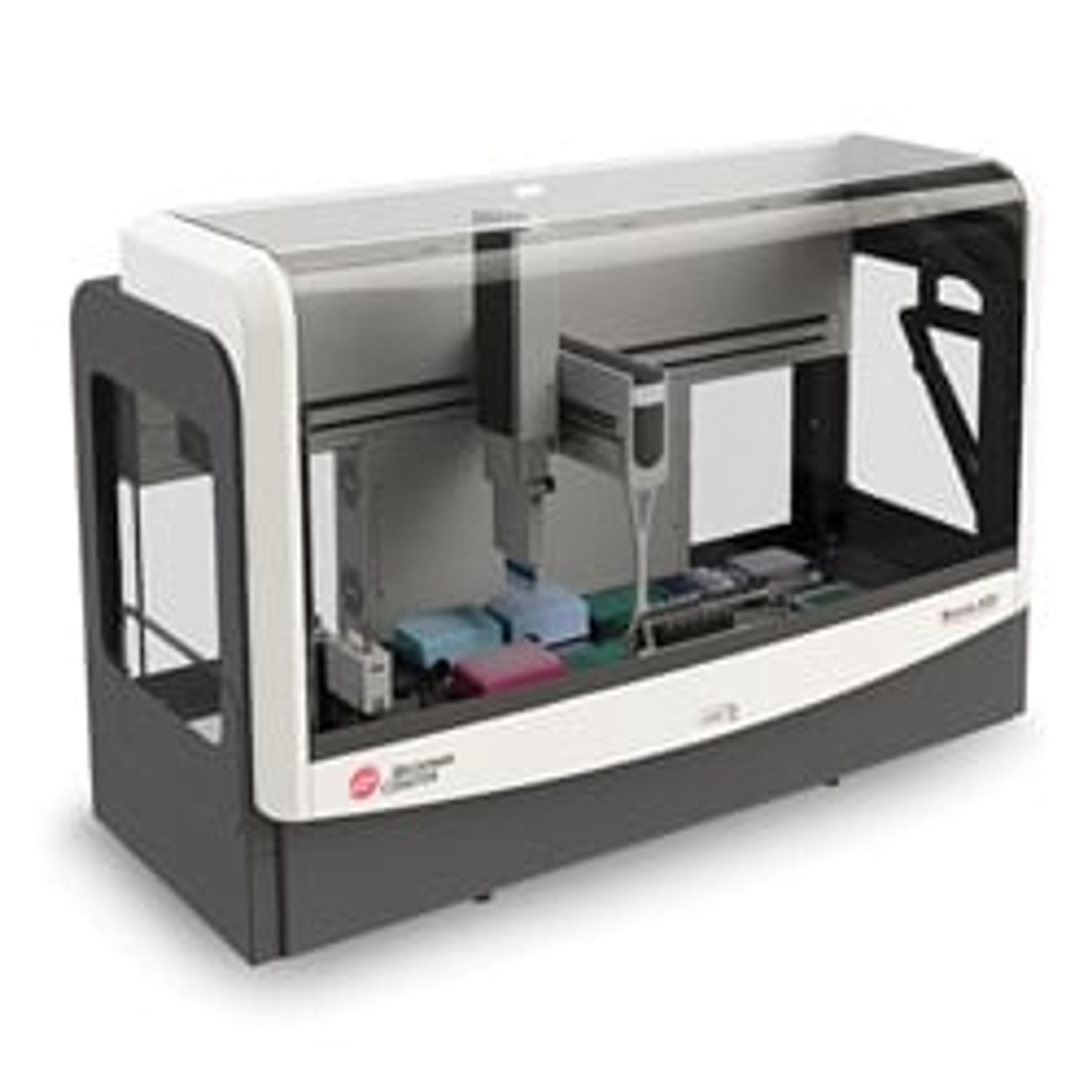
Biomek® 4000 Laboratory Automation Workstation
Beckman Coulter Life SciencesBiomek Liquid Handlers enable you can spend less time on manual process and more time on powerful discoveries. Beckman Coulter Life Sciences is a leader when it comes to providing solutions and support that cover the full spectrum of the NGS sample preparation workflow with reagents and automation. Throughput options allow you to choose the right solution for your laboratory.