
Automated and efficient isolation of single cells into low volumes for scWGA
5 Aug 2024Tumors and tumor-derived cancer cell lines comprise a mix of diverse and heterogeneous cells. To interrogate the complex genetic makeup underlying tumorigenesis, cancer progression and metastasis, it is essential that researchers can analyze the genomes of individual cells. A prerequisite for these analyses is whole-genome amplification (WGA). Successful WGA from individual cells requires efficient isolation of single cells and their transfer into low-volume WGA reactions. iotaSciences demonstrates how GRIDs and the scPicking Platform supports the isolation of individual tumor cells for subsequent single-cell WGA (scWGA).
Related products
Request Quote for All Products
isoPick – Single Cell Isolation
iotaSciencesThe isoPick enables gentle single-cell isolation for a range of downstream applications such as single-cell cloning or analysis. Compatible with a variety of cell types, shapes, and sizes, the isoPick allows you to seamlessly acquire your single cells of interest. With a compact footprint, optional sample cooling, and automated handling of small liquid volumes, this instrument delivers the cells that matter to you with ease.
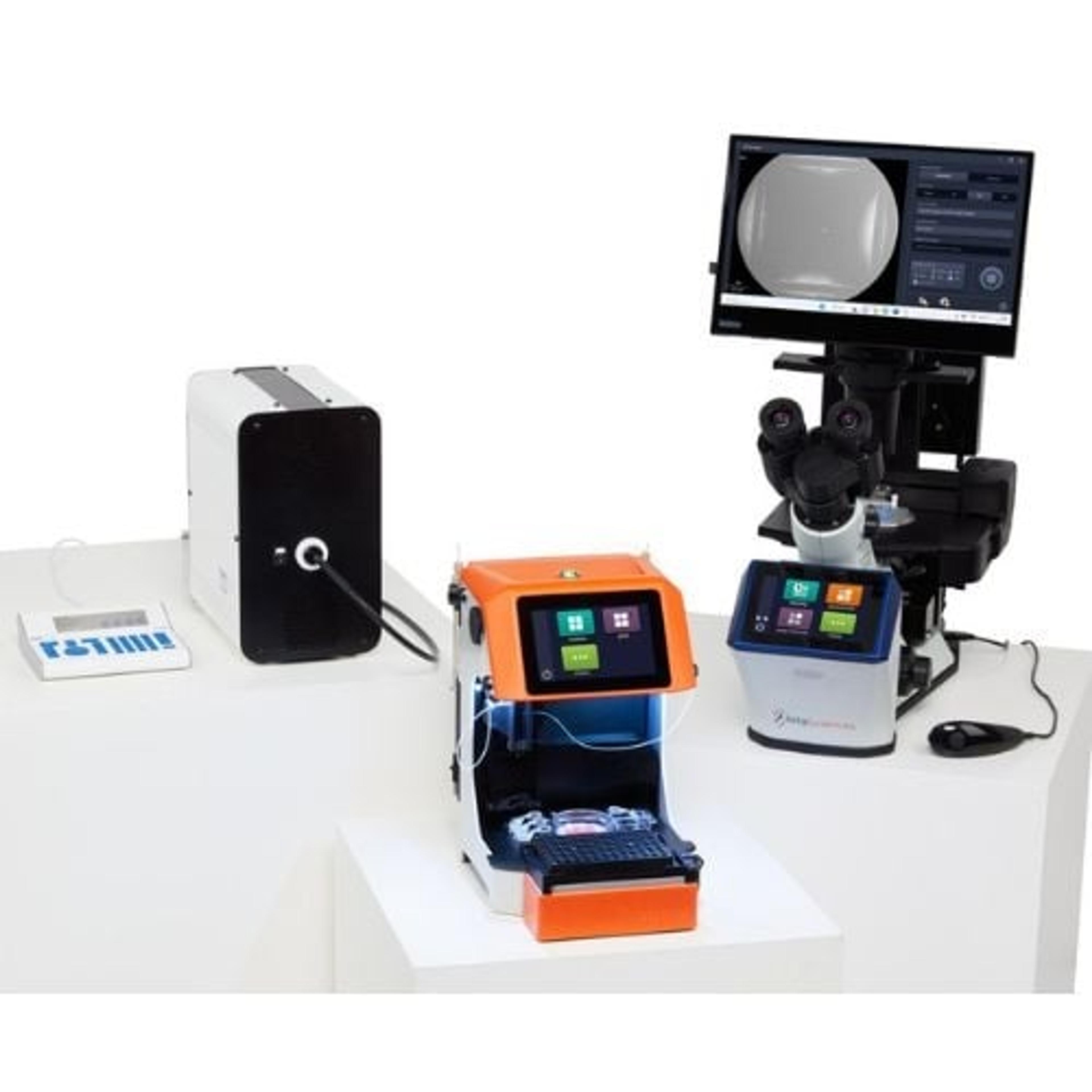
scPicking Platform – Single Cell Visualisation and Isolation
iotaSciencesThe scPicking Platform facilitates easy visualisation and gentle isolation of your single cells of interest. Compatible with a range of cell types, it allows you to seamlessly acquire your single cells of interest for an array of downstream applications. Offering automated handling of small liquid volumes, optional cooling, imaging, and fluorescence capabilities, it delivers the individual cells that matter to you with ease.