
Assessing T cell bioenergetic poise and spare respiratory capacity using extracellular flux analysis
15 Mar 2023The Agilent Seahorse XF T Cell Metabolic Profiling kit is a robust solution for the complete real-time assessment of T cell metabolism. In this application note, learn more about using the Agilent kit to assess the impact of the medium composition during T cell expansion following the XF T Cell Persistence Assay workflow. This workflow allows for the evaluation of glycolysis and mitochondrial activity and capacity simultaneously, providing a comprehensive metabolic profile of T cells that can be incorporated into monitoring and improving the design and development of T cell therapies.
Related products
Request Quote for All Products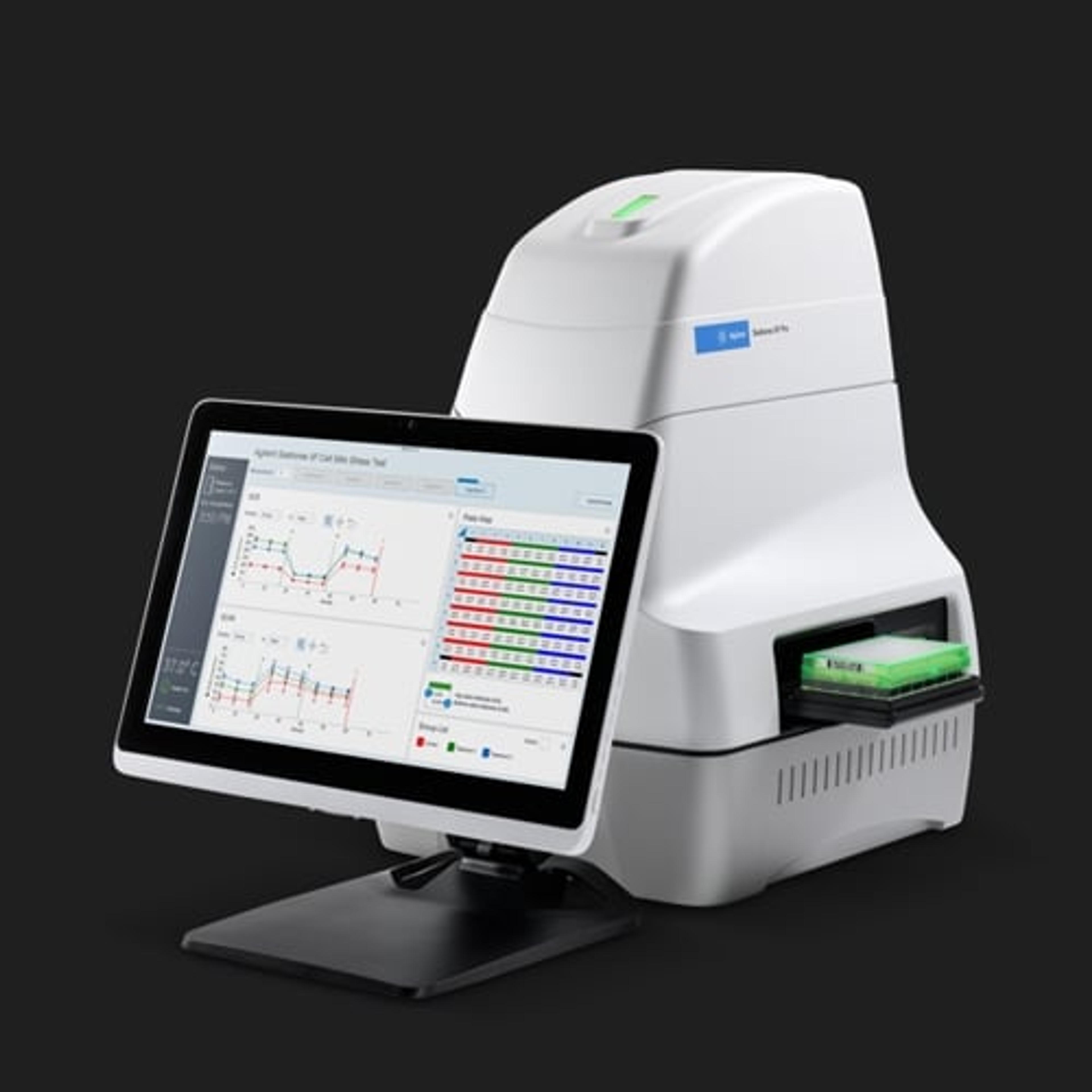
Seahorse XF Pro Analyzer
Agilent TechnologiesMeasure mitochondrial respiration, glycolysis, and ATP production rates in live cells in a 96-well forma t, providing a system-level view of cellular energy metabolism and mitochondrial health. It combines enhanced sensitivity and data consistency with intuitive software and advanced data analytics, enabling users to streamline assay workflow from start to finish and generate and interpret metabolic data easily.