ResourceMaterials
Applications for battery technology
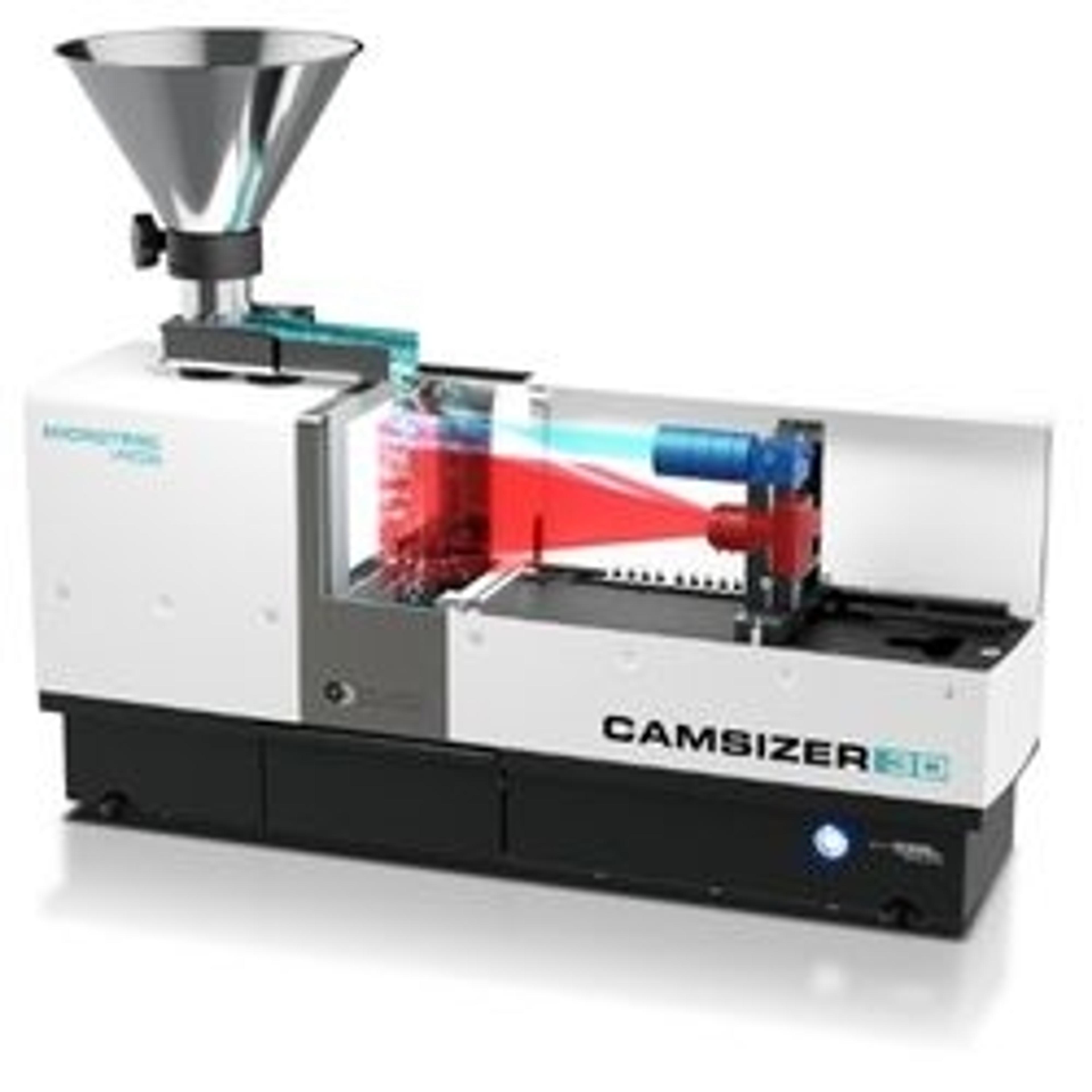
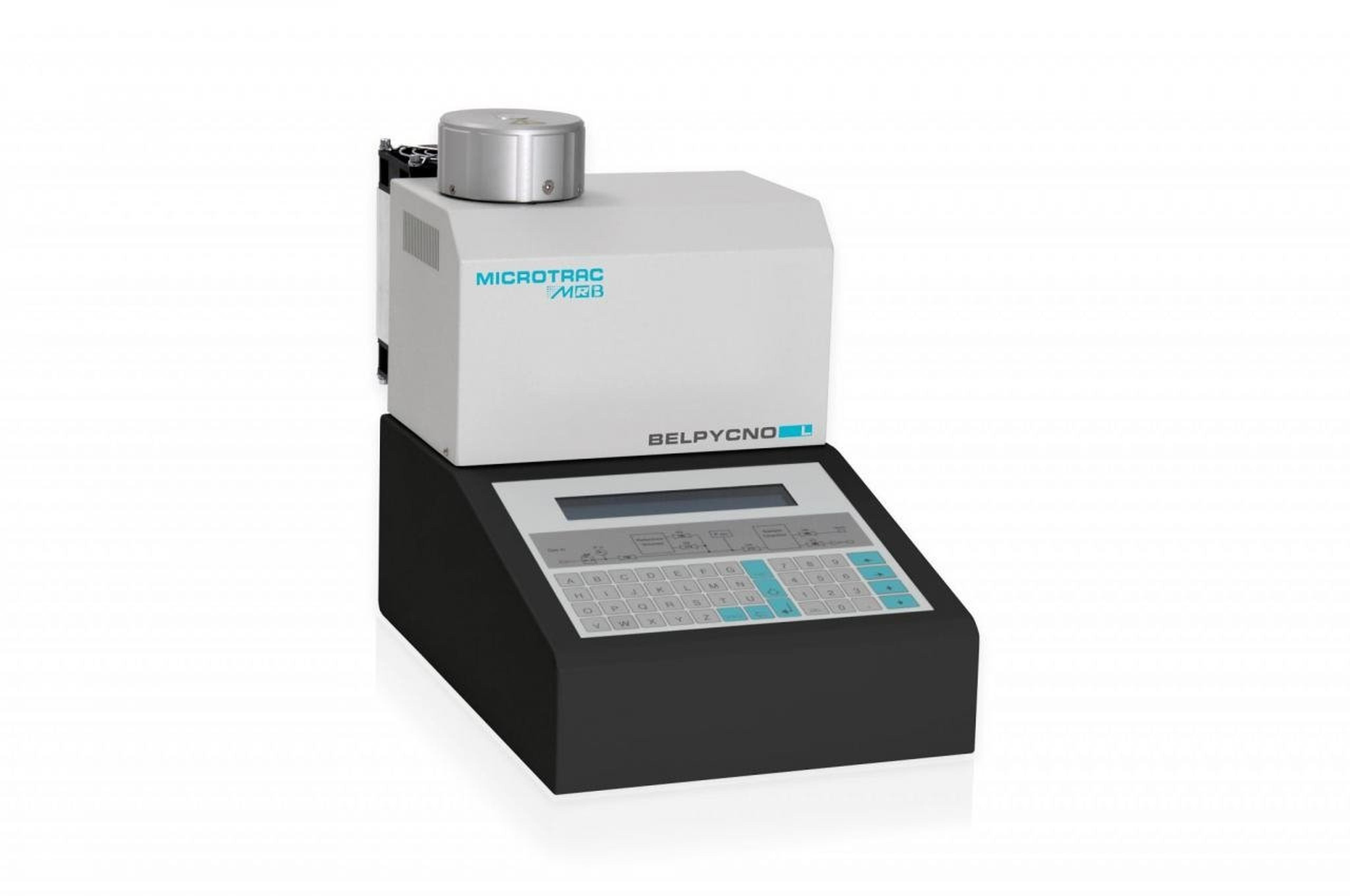
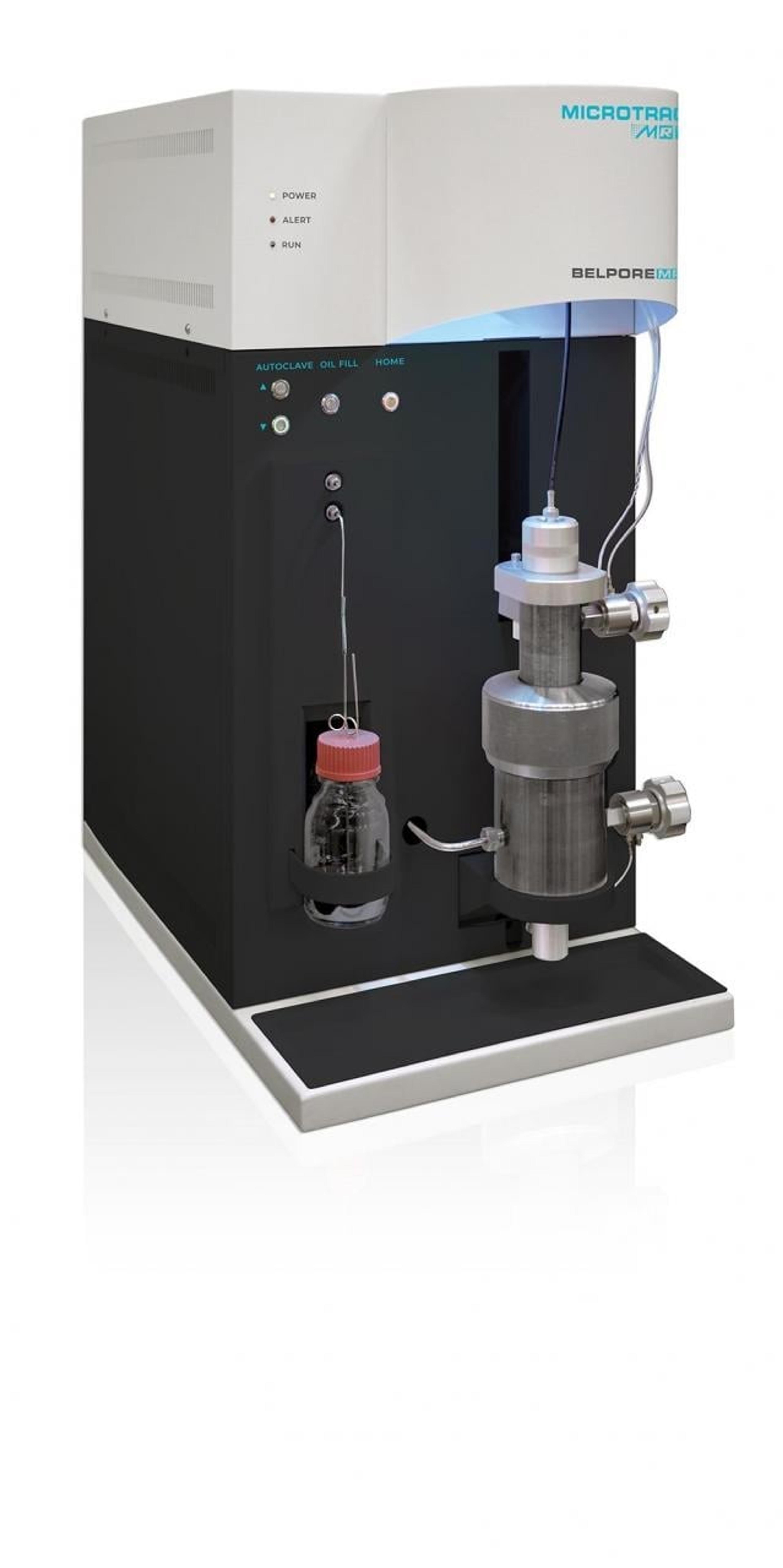
15 Jul 2024Battery technology has emerged as a critical component in the energy transition, transforming electric transportation, renewable energy integration, and grid resilience. Microtrac highlights how its instrument range can be used for battery technology applications. Discover how the CAMSIZER 3D provides relevant size and shape parameters within a short space of time and can withstand harsh production environments, making it ideal for process-related particle measurement. Plus, learn how Microtrac technologies may be used to make measurements of density, gas adsorption and porosity, central factors in the analysis of battery active materials.
Links
Tags
Surface Area TestingPhysisorption studies fundamental parameters essential for the characterization of materials such as the specific surface area and pore size distribution. Properties such as porosity, strength, hardness, permeability, separation selectivity, corrosion, and thermal stress resistance can all be directly correlated to the porous structure of a material.Particle CharacterizationParticle characterization instruments are used to determine particle size distribution, shape, surface area, zeta potential, density and porosity of particles and materials. Multiple tecchniques are available for determining particle size, shape and count including dynamic light scattering (DLS), laser diffraction, electrozone (Coulter technique), imaging particle analysis and single particle optical sensing. Determine the density of your material with a gas pycnometer or examine its surface area and porosity with gas adsorption analyzers and mercury porosimeters. Find the best particle characterization instruments in our peer-reviewed product directory: compare products, check customer reviews and receive pricing direct from manufacturers.BatteriesLithium-Ion Batteriesdensity measurementElectrodePorosity