
Analysis of Ultra Low Sulfur in Automotive Fuels According to ASTM D2622-10 by Sulfur Analyzer Micro-Z ULS
9 Jul 2013Recent developments in ultra low sulfur (ULS) fuel have improved fuel efficiency and created cleaner exhaust gas. Globally, the permitted sulfur limit in fuel oils has been decreased to 10ppm in many countries and regions. For compliance verification, X-ray fluorescence (XRF) spectrometry is the definitive analysis tool for use at distribution terminal and refineries, as well as mobile or stationary testing laboratories. In recent years, there has been an increasing need for an instrument which does not require the use of helium gas, for instances, when acquisition or delivery of helium to the analysis site is difficult. This application note demonstrates that Micro-Z ULS can meet the requirements of ASTM D2622-10.
Related products
Request Quote for All Products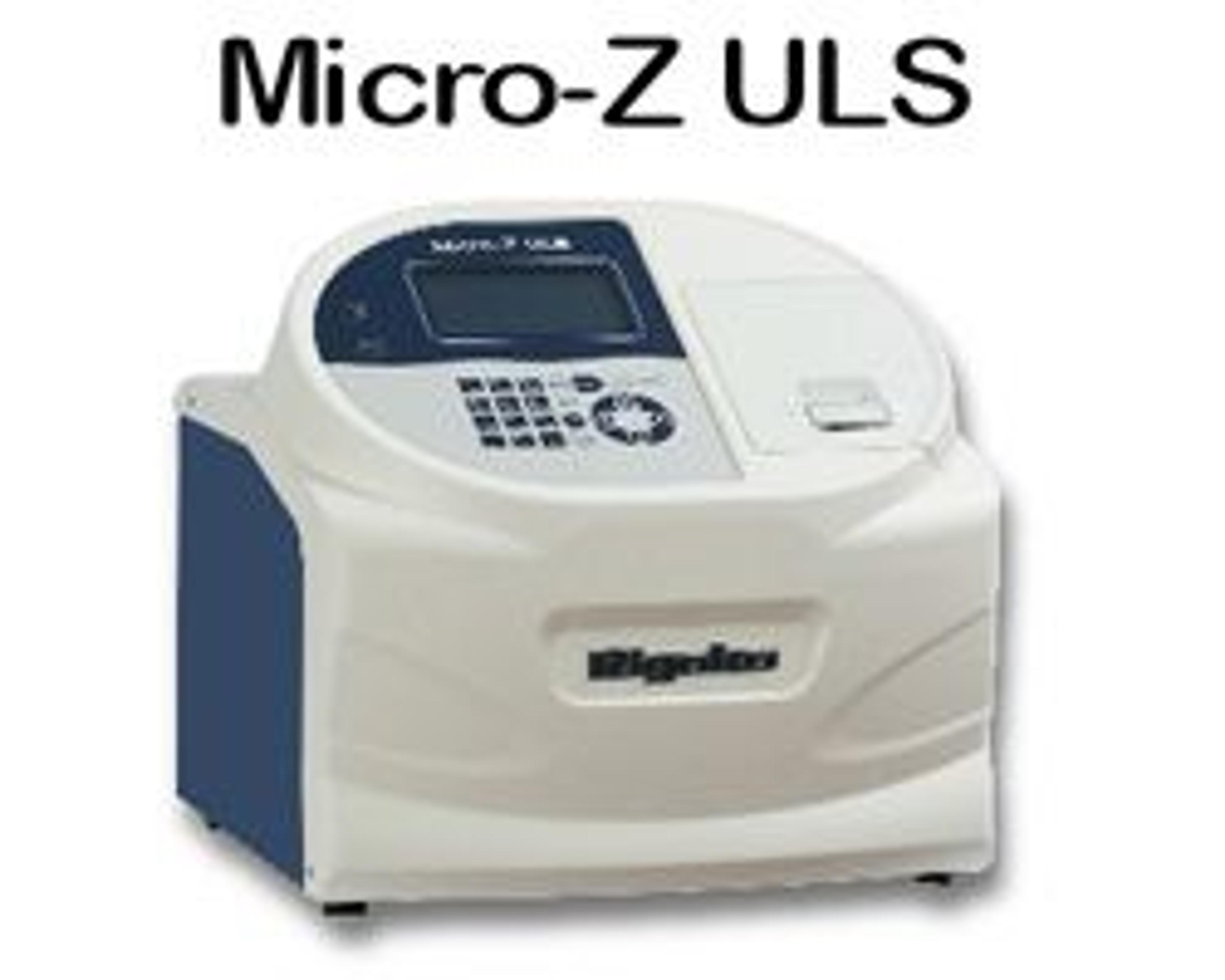
Micro Z ULS
Rigaku CorporationDesigned for ultra-low level sulfur analysis of diesel, petrol (gasoline) and other fuels, the Rigaku Micro-Z ULS wavelength dispersive X-ray fluorescence (WDXRF) instrument features a novel design that measures both the sulfur peak and the back-ground intensity. The ability to measure and correct for changes in background intensity delivers a better net peak intensity measurement, resulting in superior calibrations and enhanced real world precision. Rigaku Micro-Z ULS complies with ASTM 2622-10, ISO 20884 and JIS K2541-7 methods.The Rigaku Micro-Z ULS is the ideal solution for sulfur analysis of petroleum based fuels, with a lower limit of detection (LLD) of 0.3 ppm sulfur. Employing robust fixed optics in a vacuum environment, and featuring a specially designed doubly curved RX-9 analyzing crystal, the Micro Z ULS delivers consistent high sensitivity measurements.Micro Z ULS Features: Ultra-low sulfur analysis of diesel and gasoline 0.3 ppm lower limit of detection (LLD) No He(g) purge required Easy-to-use benchtop analyzer Complies with ASTM D2622-10 Complies with ISO 20884 Complies with JIS K2541-7