ResourceSpectroscopy

An Insight into the Structure of Surfactants

31 Aug 2016

Small-angle X-ray scattering (SAXS) can be used to study the structure of surfactants micelles in water. This scientific poster present Sodium Dodecyl Sulfate as an anionic surfactant and determines its radial electron density profile using SAXS.

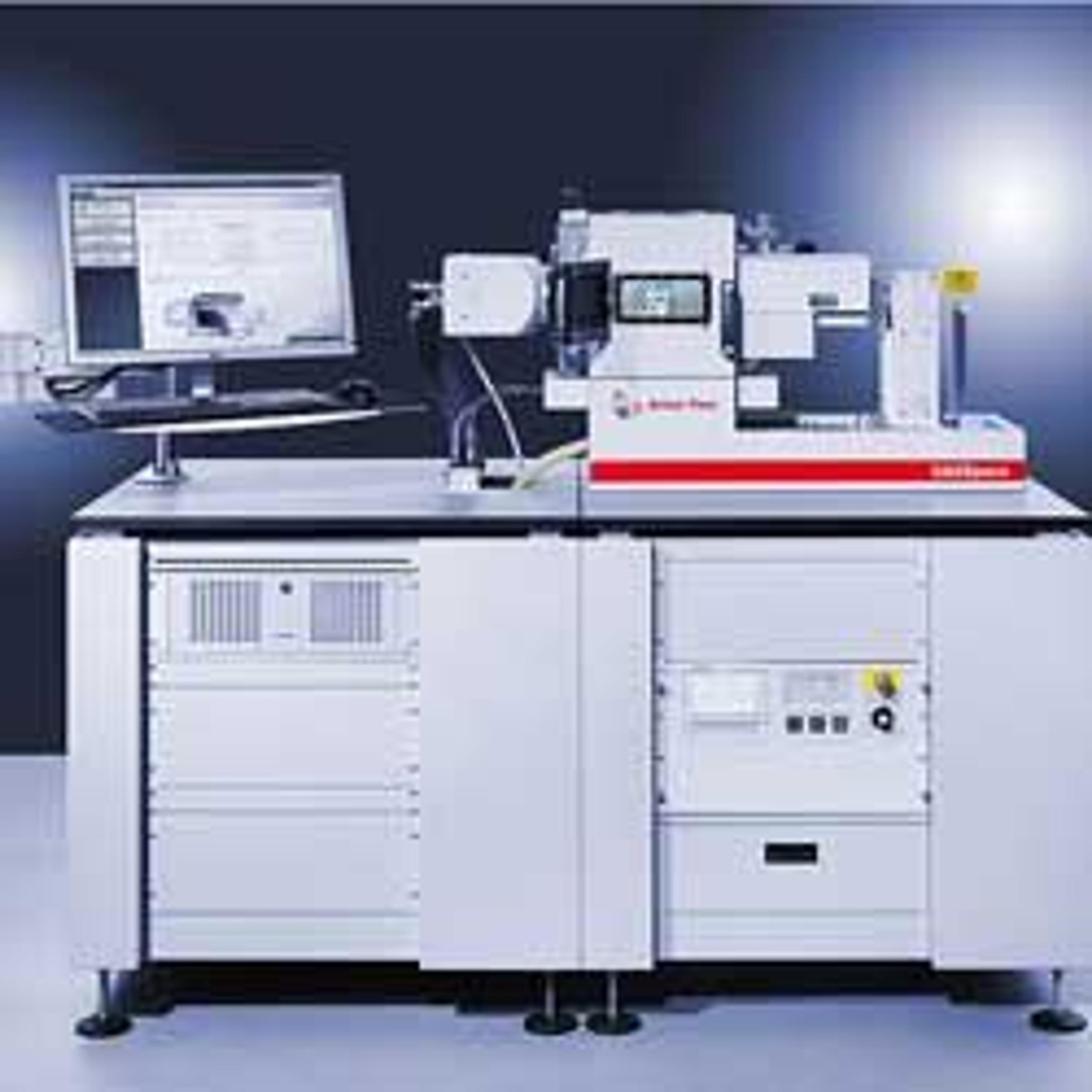
Modular System for Nanostructure Analysis: SAXSpace

Anton Paar

SAXSpace is a new nanostructure analyzer for small- and wide-angle X-ray scattering (SWAXS) studies of nanostructured materials. With its easy handling and push-button alignment, SAXSpace is ideally suited for routine SWAXS analysis and quality control applications. SAXS experts benefit from the spacious sample chamber and versatile sample stages, allowing for full experimental flexibility. This makes SAXSpace an ideal tool for investigating nanostructures in many different materials, including nanoparticles, biological macromolecules (Bio-SAXS), nanostructured surfaces (GI-SAXS), polymers and pharmaceuticals.

(1)

Links

Tags

X-Ray Diffraction and SpectroscopyX-Ray diffraction & spectroscopy are used in material characterization to discern the structure and elemental composition of a sample. X-Ray diffractometers (XRD) are superior instruments in elucidating the dimensional atomic structure of crystalline materials, including powders, thin films and single crystals. For large unit cells or ordered macromolecules, consider small-angle X-ray scattering (SAXS). X-ray spectroscopic techniques include X-ray fluorescence (XRF) and X-ray photoelectron spectroscopy (XPS), both providing simple and accurate methods for determining the elemental composition of a material. Energy dispersive (EDXRF) and wavelength dispersive (WDXRF) XRF spectrometers are available, as well as handheld/portable devices. High-resolution, 3D microstructure characterization of materials can be achieved with X-ray microscopes combining sub-micron resolution imaging with 3D computed tomography. Find the best XRD and XRF spectrometers in our peer-reviewed product directory: compare products, check customer reviews and receive pricing direct from manufacturers.NanoparticlesNanoparticles are between 1-100nm in size. Nanoparticles can be used for a wide variety of applications including biomedical, catalysis and electronics.
An Insight into the Structure of Surfactants