
Amide-Bonded BEH HILIC Columns for High Resolution, HPLC-Compatible Separations of N-Glycans
21 May 2015This application note demonstrates that BEH Glycan Columns packed with 1.7, 2.5, and 3.5 μm particle sizes afford scalability between glycan separations performed under UPLC and HPLC-compatible conditions.
Related products
Request Quote for All Products
ACQUITY UPLC BEH Columns
WatersIn 2004, Waters revolutionized liquid chromatography with the introduction of the ACQUITY UPLC System. At the heart of the system was Waters second generation hybrid, the Ethylene Bridged Hybrid (BEH) particle. In 2005, BEH Technology preparative particle sizes (2.5, 3.5, 5 and 10 μm) with the introduction of XBridge between HPLC and UPLC Technology platforms. BEH Technology particles offer: Excellent peak shape and efficiency for basic analytes A rational array of chromatographic selectivity Improvements in chemical stability at mobile phase extremes, particularly at elevated pH
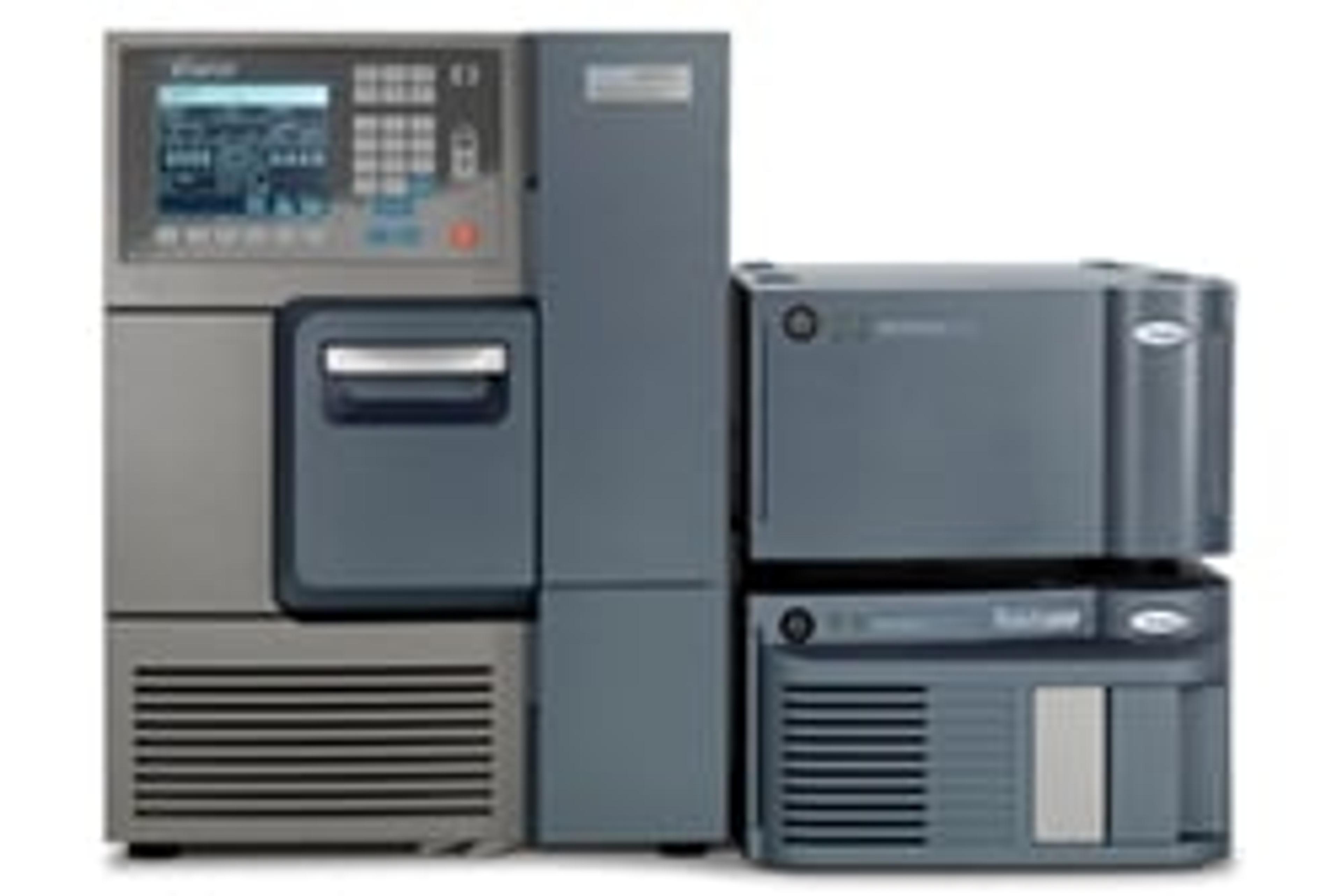
Waters Alliance™ HPLC System
WatersAn integrated HPLC system that works as hard as you do, available with push-button mass detection for the chromatographer. The Alliance™ HPLC System is the flexible and reliable workhorse that meets your fundamental HPLC separation requirements. The system has been continually expanded and perfected to accommodate an enormous range of real-world analytical challenges, culminating in today’s new industrial design which signifies Waters’ commitment to HPLC and our HPLC line. Today, users can extend the Alliance HPLC System’s performance with XP 2.5 µm Columns. XP Columns are compatible with both HPLC and UPLC technology and are designed to not only improve our HPLC productivity, but also facilitate a transfer to UPLC Technology platforms as well. Directly scalable between UPLC and HPLC particle sizes, these new 2.5 um XP Columns bridge the gap between HPLC and UPLC performance. Whether your lab analyzes samples in the pharmaceutical, chemical, food safety, environmental, or quality control arenas, the Alliance HPLC system offers you a field-proven solution. Integrated solvent and sample management to ensure consistent system-to-system performance and high reproducibility. Waters Alliance™ HPLC System Features: Full integration with either Empower® or MassLynx® Software for instrument control and data processing A large, intuitive LCD-based user interface allows rapid system set-up through SystemPREP routines that streamline daily start-ups Easy, tool-free maintenance resulting in maximized uptime Waters complete line of detection technologies – from routine UV/Vis detectors, to the ACQUITY QDa Detector to single, tandem and triple quadrupole mass spectrometers - extend your application capabilities

ACQUITY UPLC H-Class PLUS Bio System
WatersThe ACQUITY UPLC H-Class PLUS Bio System delivers the benefits of UPLC's resolution, sensitivity, and throughput in a system purpose-built for the analysis of proteins, peptides, nucleic acids, and glycans.