ResourceLife Sciences
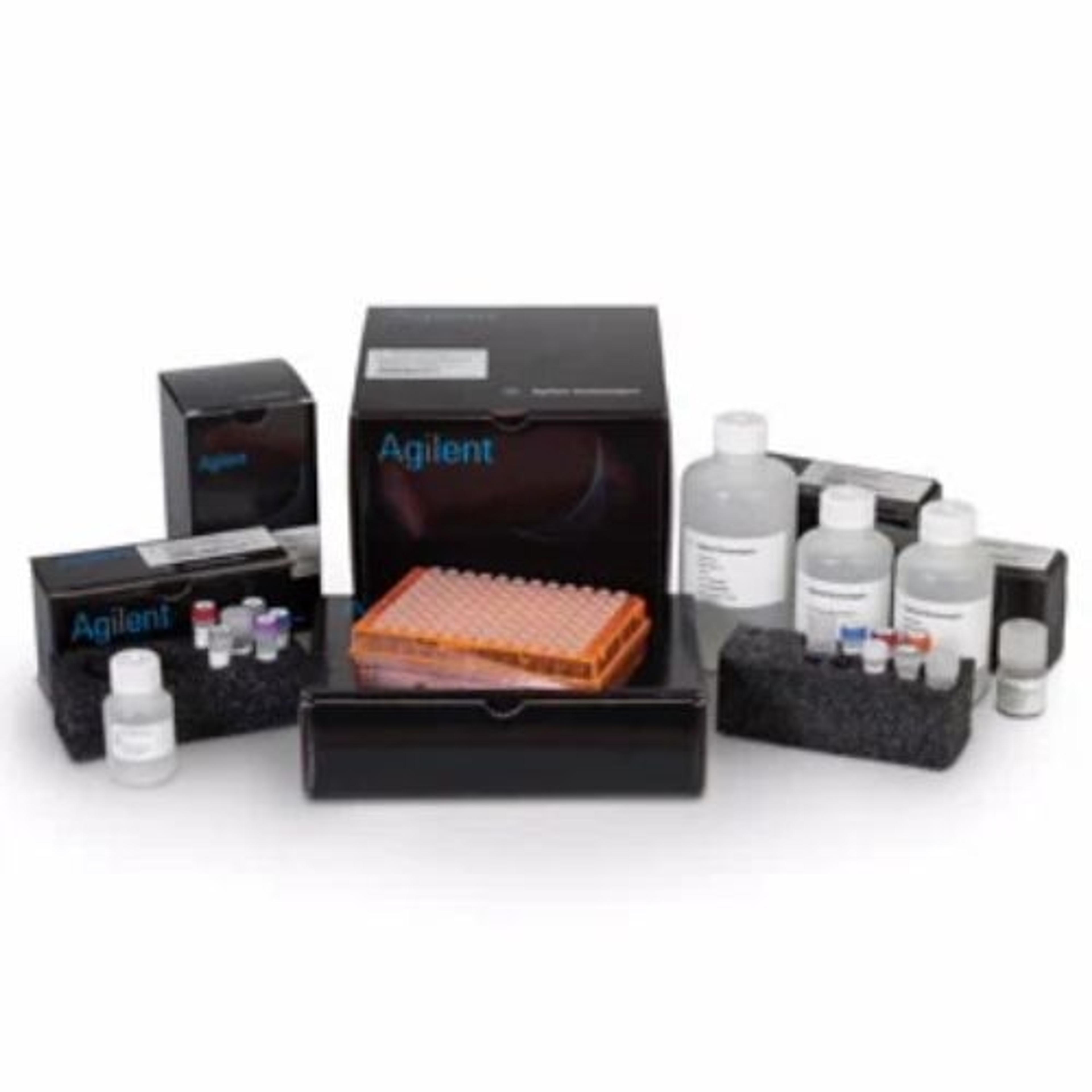
Agilent SureSelect cancer tumor-specific assays
10 Jul 2024Agilent SureSelect cancer tumor-specific assays offer genomic profiling of solid tumors with next-generation sequencing (NGS) panels for lung, colon, pancreas, bladder, and kidney. The panels are comprised of DNA modules of approximately 50 genes each for sequencing on Illumina® MiSeq™ and MiniSeq instruments, enabling tumor genomic profiling at a lower cost. Agilent demonstrates the target coverage and distribution uniformity of the assays, their consistent detection of key somatic variant classes, de novo gene fusion detection from just one gene partner, and variant detection from cell-free DNA (cfDNA) samples.
Links
Tags
Genome AnalysisGenomics, the study of genomes, includes functional genomics, evolutionary genomics and comparative genomics. There are many genomic technologies such as DNA sequencing of whole genomes, computational biology and bioinformatics. DNA and nucleic acids must be isolated and concentrated from cells for analysis with kits, automated analyzers and software. Other useful technologies for studying genomics include PCR, microarrays and electrophoresis.Next Generation SequencingNext-generation sequencing (NGS), also known as whole-genome sequencing, high-throughput sequencing and massive parallel sequencing, produces and analyses thousands to millions of nucleotide sequences at once. Sequencing systems operate via varying technologies depending on the manufacturer, including sequencing by synthesis, ligation, pyrosequencing, ion semiconductor and single-molecule real-time sequencing. For NGS, library preparation is paramount to successful sequencing. In this section, explore a range of library preparation kits, from targeted, amplicon-based or hybridization-based kits including epigenomic, transcriptomic and genomic workflows to fragmentation kits. Find the best next-generation sequencing products in our peer-reviewed product directory: compare products, check customer reviews and receive pricing direct from manufacturers.Assay DevelopmentThe process of proving an assay to be sensitive with respect to the target is known as assay development. The assay should be able to characterize novel compounds and measure the potency of these compounds against a validated biological target.Tumor Profiling