Accelerating the STR Analysis Workflow through Automation and Direct Amplification Methods

9 Sept 2014

This poster demonstrates analysis of amplified short tandem repeat using automated direct amplification methods on two robotic platforms using PowerPlex® STR multiplexes.

PowerPlex® 21 System

Promega Corp.

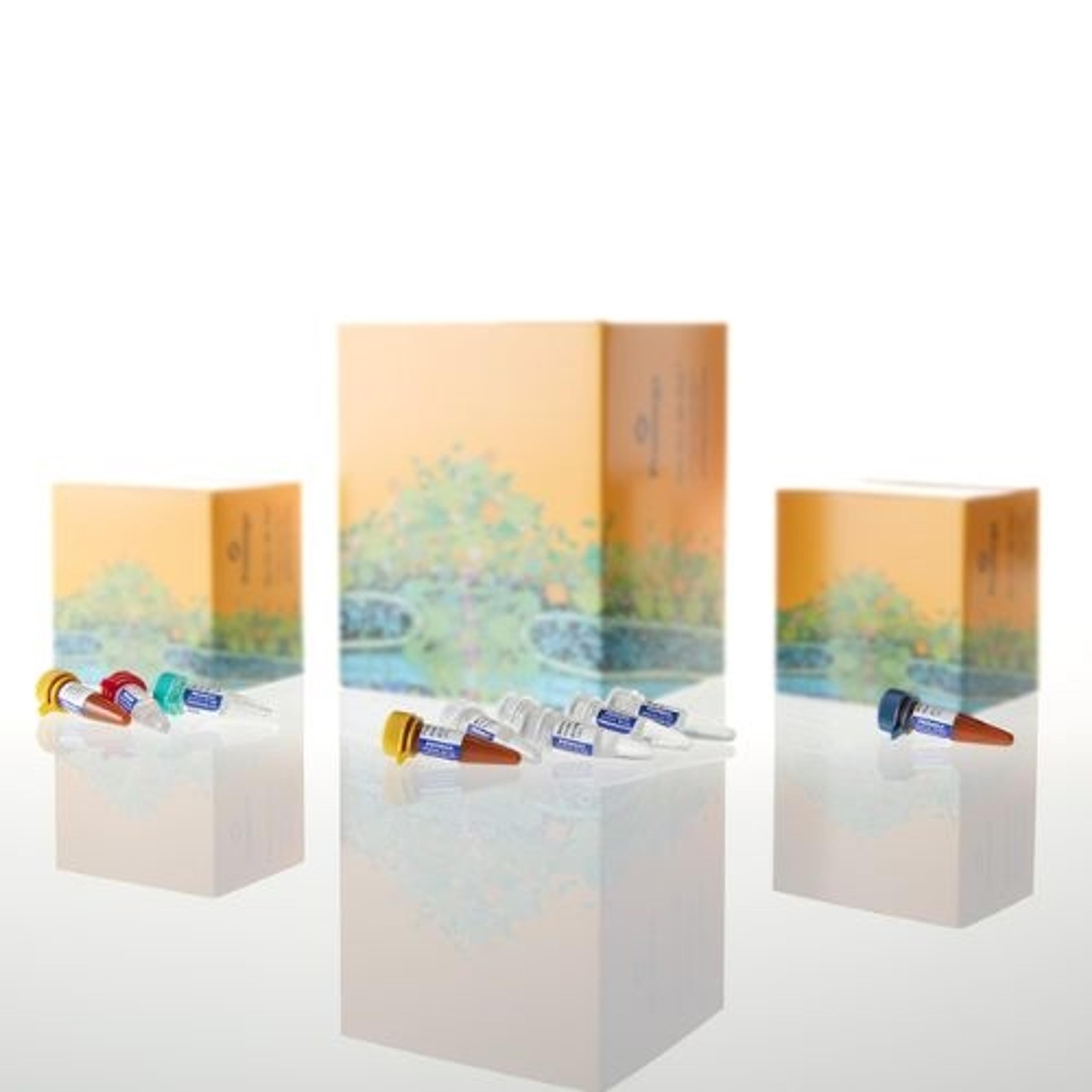
The PowerPlex® 21 System is a multiplex STR system for human identification applications including forensic analysis, relationship testing and research use.   The PowerPlex® 21 System is more tolerant of PCR inhibitors than other STR systems including the PowerPlex® 16 HS System. This allows more interpretable data and less need for re-amplification of samples previously deemed "difficult" due to the presence of inhibitors. The system allows co-amplification and fluorescent detection of 21 loci (20 STR loci and Amelogenin), including D1S1656, D2S1338, D3S1358, D5S818, D6S1043, D7S820, D8S1179, D12S391, D13S317, D16S539, D18S51, D19S433, D21S11, Amelogenin, CSF1PO, FGA, Penta D, Penta E, TH01, TPOX and vWA. The PowerPlex® 21 System is compatible with the ABI PRISM® 3100 and 3100-Avant Genetic Analyzers and Applied Biosystems® 3130, 3130xl, 3500 and 3500xL Genetic Analyzers. PowerPlex® 21 Features & Benefits:   Rapid thermal cycling, saving time with every run. Unbeatable inhibitor tolerance, enabling analysis of challenging casework samples. Optimized protocols for many sample types, including direct amplification from FTA® cards, as well as pretreated non FTA® card punches or swabs.

(1)

Links

Tags

Microplate Readers / DetectorsMicroplate readers are used to automate the detection and analysis of labeled or label-free components in microplates during assays or live-cell monitoring. Microplate readers are generally distinguished by their mode of detection. Types include absorbance, luminescence, fluorescence intensity, fluorescence polarization, TRF / FRET and multimode microplate readers. Microplate readers deliver a high throughput of samples by reading multiple wells simultaneously, with the 96-well format the most commonly used. As a result, microplate readers are often used in the drug discovery, bioassays, research and pharmaceutical industries for screening applications. Microplate loading can also be automated, with robotic microplate stackers to increase throughput. Find the best microplate readers in our peer-reviewed product directory: compare products, check customer reviews and receive pricing direct from manufacturers.Robotic InstrumentsRobotic instruments can be used for high-throughput automation of many lab processes. Such processes use instruments for assays like cell based assays and ELISA, for sample preparation like shakers, centrifuges and incubators, and for analysis such as sequencing and western blot analyzers. Useful features of robotic instruments include speed, reproducibility, barcode readers, software and automation.Plate ProcessingAutomated plate processing is used in microplate technologies for high-throughput, speed and efficiency. Plate processing systems include microplate handlers for moving plates, heat sealers, stackers and carousels for storage, retrieval and delivery, microplate washers and piercers. Useful features of plate processors include walk-away automation, compatibility and easy integration with microplate systems.AutomationAutomation in laboratories and manufacturing processes enhances efficiency, precision, and scalability by reducing the need for manual intervention. It plays a critical role in improving productivity, minimizing human error, and accelerating workflows in fields like diagnostics, drug development, and industrial testing. Automation technologies include robotic systems, automated liquid handlers, and process control systems that streamline complex tasks and ensure consistent, reproducible results. Explore our peer-reviewed product directory to discover the best automation solutions, compare options, read user reviews, and get prices directly from manufacturers.Short Tandem Repeats