ResourceSeparations

A Simplified Solid Phase Extraction (SPE) Protocol for Bioanalysis Using Oasis HLB

6 Oct 2014

This application note describes a simple, 3-step SPE protocol using OasisHLB in µElution Plates and 1 cc cartridges. This protocol saves an average 40% processing time, 70% solvent consumption, and provides a simple method that works for a wide range of acidic, neutral, and basic analytes. This simplified, 3-step protocol consists of load, wash, and elution, thus eliminating the conditioning and equilibration steps.

Oasis® µElution Plate

Waters

The Oasis® uElution plate format combined with the Oasis chemistries allow elution volumes as low as 25uL, eliminating the time consuming evaporation step, producing very clean extracts with a 5 to 10 fold increase in concentration.The Oasis® family of sample extraction products is designed to simplify and improve your sample preparation by combining the right sorbent chemistry, device format and methodology. Achieve robust, selective, and sensitive solid-phase extraction [SPE] methods without worrying about low recoveries caused by breakthrough, sorbent drying, pH limitations, and undesirable silanol activity.Oasis® SPE sorbents—covered by eight U.S. patents—are unique in their purity, reproducibility, stability, and retention characteristics. Today, they are the most widely used polymeric SPE products in bioanalytical laboratories.
(6)

ACQUITY UPLC CSH and XSelect Columns

Waters

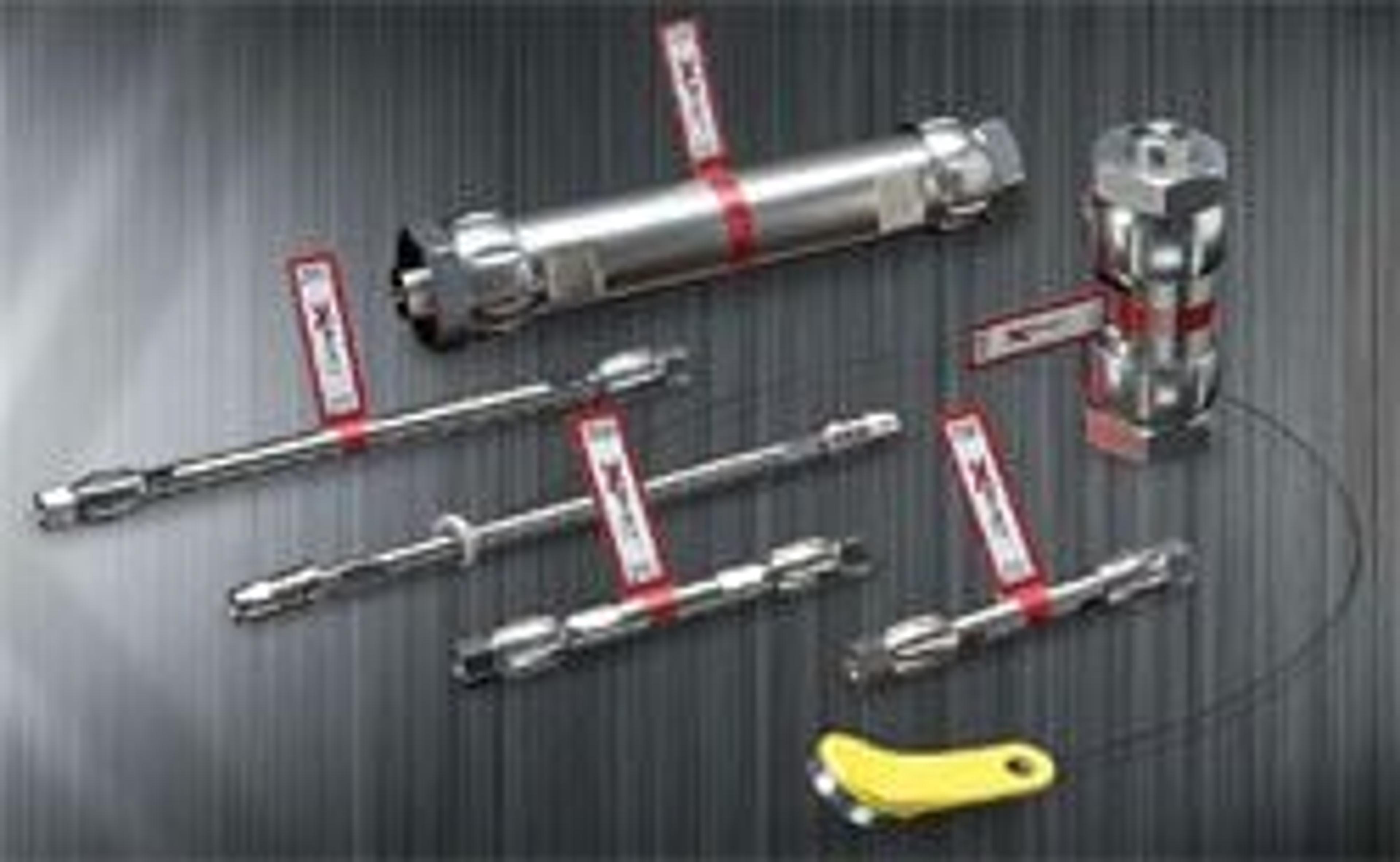
Introducing Waters ACQUITY CSH and XSelect Columns - Powered by CSH Technology Waters patent-pending, Charged Surface Hybrid (CSH™) Technology powers the new Waters ACQUITY CSH and XSelect Column families.CSH Technology columns offer separation scientists a wider range of selectivities and greater performance in LC/MS-compatible mobile phases. Waters CSH Technology empowers UPLCand HPLC systems to provide separations with:Widest selectivity rangeSharper peak shapes for ionized compoundsSeamless transferabilityHigher peak capacitiesRapid equilibration after mobile-phase pH changes

(8)

Links

Tags

UHPLC and HPLCHigh performance liquid chromatography (HPLC) and ultra high performance liquid chromatography (UHPLC), also known as UPLC, are analytical techniques used to separate, identify and quantitate components of complex mixtures including biological samples such as proteins and lipids as well as chemical mixtures of pesticides, drugs and oils. Both techniques are liquid chromatographic methods but differ by operating pressures (HPLC < 6000 psi < UHPLC ). Components of HPLC and UHPLC systems include columns, detectors, pumps, autosamplers and column heaters. Explore a range of UHPLC and HPLC columns for your specific sample needs including reverse phase, normal phase, ion exchange, HILIC, ion exclusion and size exclusion columns. For more specialized HPLC, explore FPLC, countercurrent LC and simulated moving bed systems. Find the best UHPLC and HPLC equipment in our peer reviewed product directory: compare products, check customer reviews and receive pricing direct from manufacturers.Solid-Phase ExtractionSolid-phase extraction (SPE) is used for clean-up, extraction and concentration of semi-volatile or non-volatile analytes from complex mixtures including blood, urine and food samples. Multiple formats are available for conducting SPE, including prepacked SPE cartridges, disks and microplates, as well as SPE sorbent powders for manual packing. SPE systems can be used to automate the process and extract multiple samples at once. Solid-phase microextraction (SPME) and supported liquid extraction (SLE) products are also available in the same formats. Find the best SPE, SLE and SPME equipment in our peer-reviewed product directory: compare products, check customer reviews and receive pricing direct from manufacturers.PlasmaUrineThe analysis of urine is important in medicinal, anti-doping, forensic and life sciences applications. The ability to evaluate what someone has ingested through their urine enables fast detection and diagnosis of certain illnesses. MetabolitesMetabolites are the intermediate and end products of metabolism. Analyzing metabolites offers insight into cellular processes and disease mechanisms and is critical in fields like pharmacology, toxicology, and diagnostics. Explore our peer-reviewed product directory to find the best tools for metabolite analysis, compare products, check reviews, and get pricing directly from manufacturers.