ProductsMaterials
BTC-130
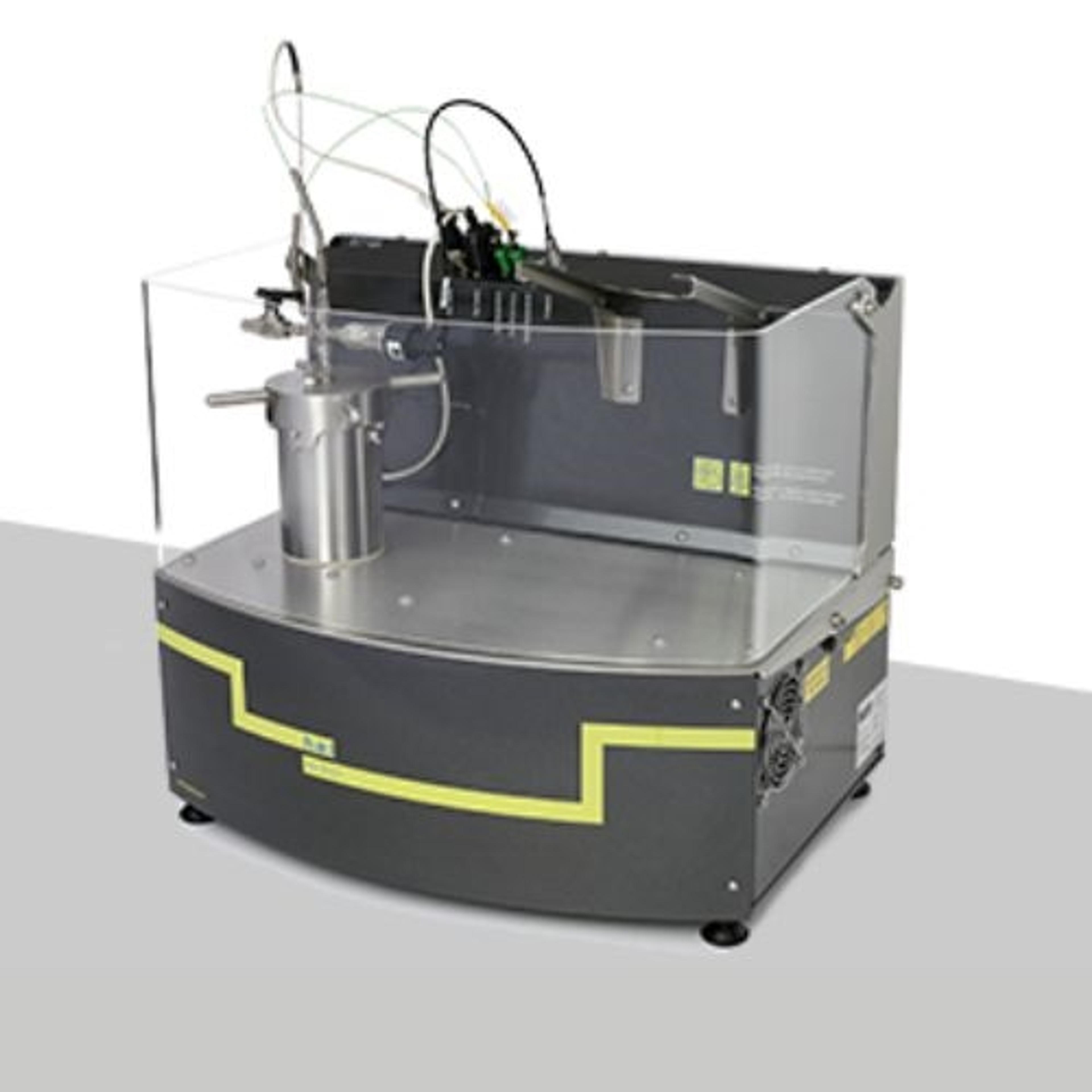
H.E.L. GroupThe BTC-130 (Battery Testing Calorimeter) is a bench-scale adiabatic calorimeter designed to enable the testing of thermal, electrical, and mechanical stress tests on smaller-sized battery cells.

Showing 6 products from H.E.L. Group in Materials
The BTC-130 (Battery Testing Calorimeter) is a bench-scale adiabatic calorimeter designed to enable the testing of thermal, electrical, and mechanical stress tests on smaller-sized battery cells.
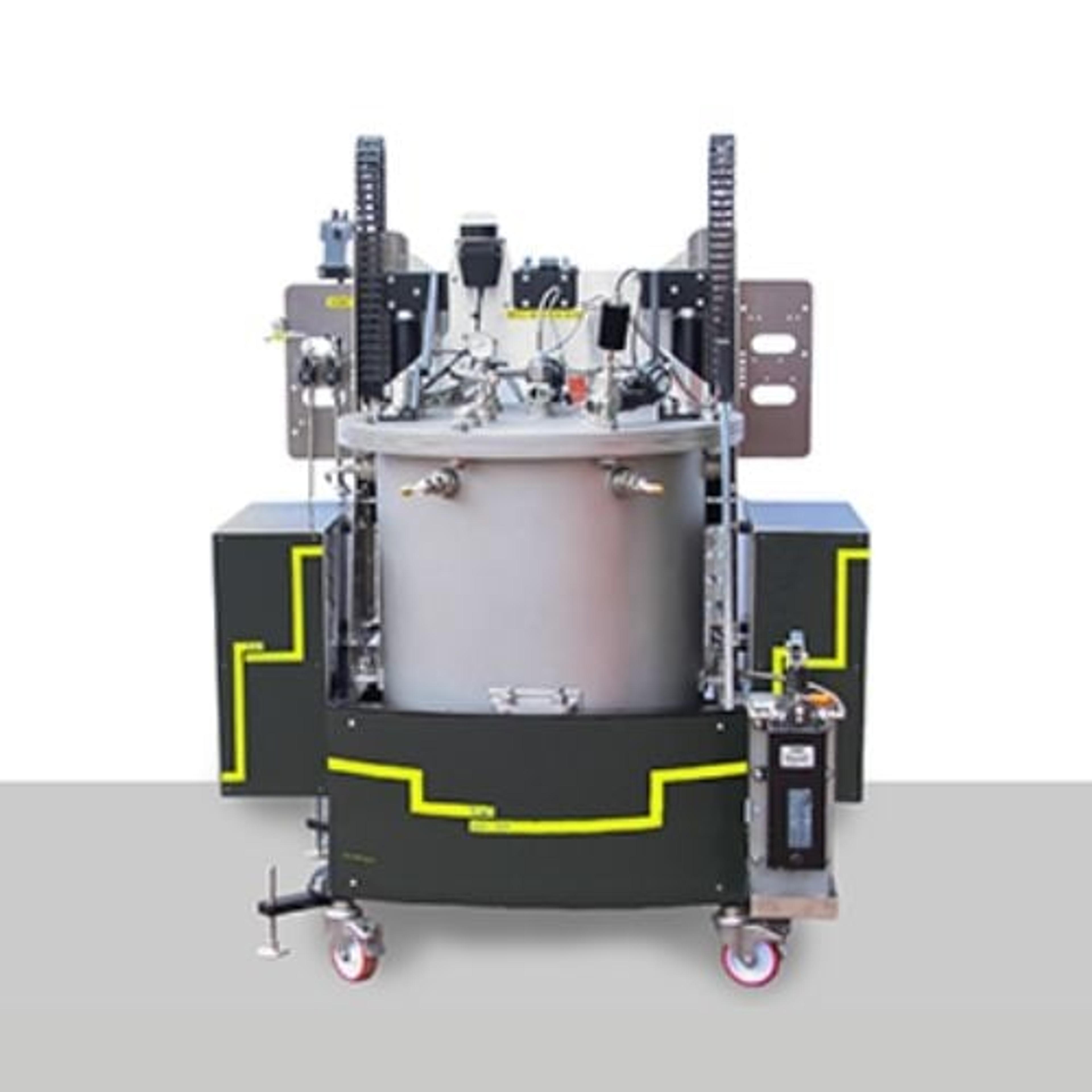
The BTC-500 (Battery Testing Calorimeter) is a floor-standing adiabatic calorimeter for the safe testing of thermal, electrical, and mechanical stress (abuse) tests on larger battery cells, and small modules.
The iso-BTC (Battery Testing Calorimeter) is an isothermal calorimeter designed for the characterization of thermal behavior and electrical performance of battery cells under normal and extended use conditions. It supports a range of adaptors which allows a wide range of cell formats to be analyzed.
The new iso-BTC+ is designed for measuring heat-release profiles during battery charge and discharge testing, giving you enhanced performance and lifespan data. Building on established capabilities of the smaller iso-BTC, the new iso-BTC+ allows for testing of even higher power and physically larger batteries.
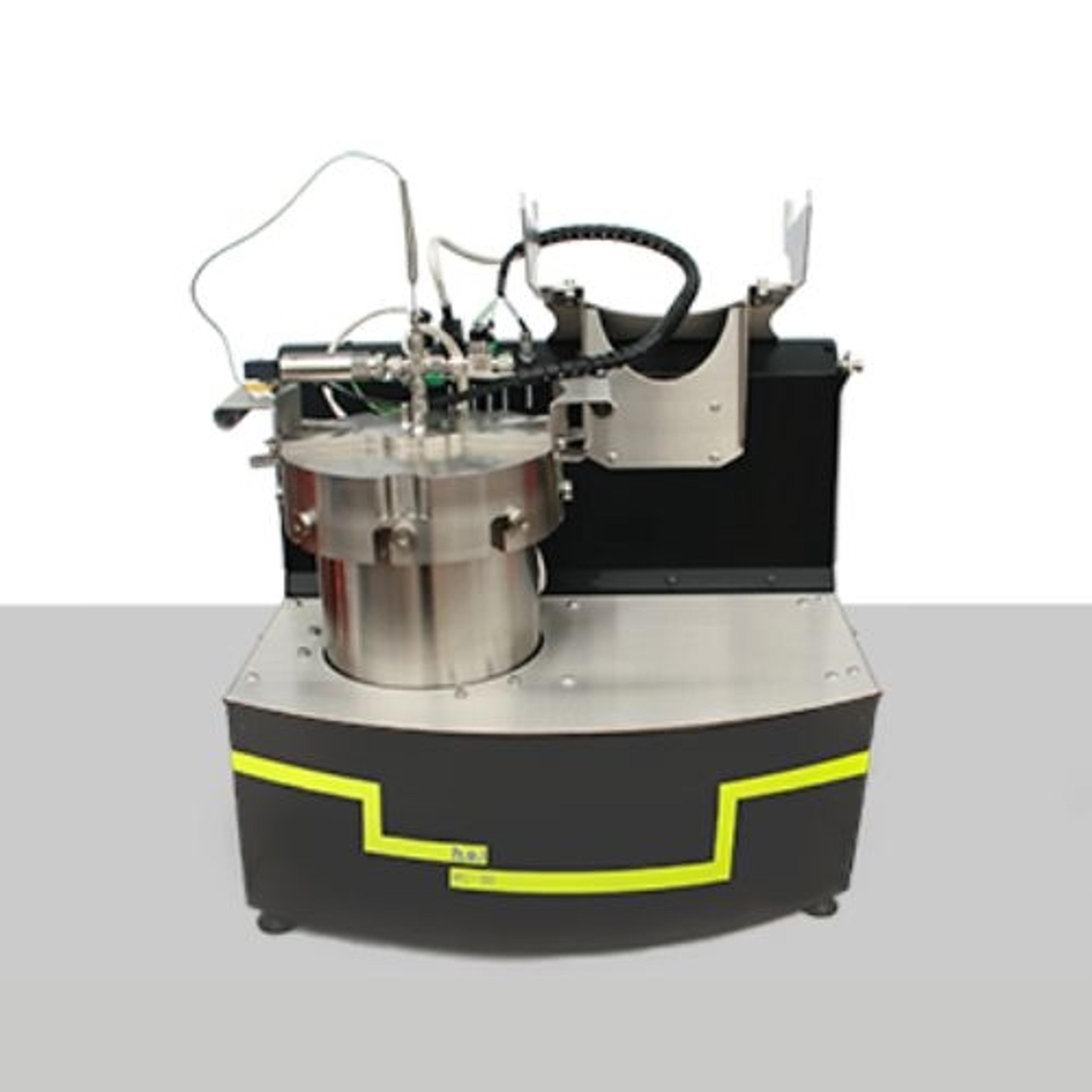
The Phi-TEC I is an adiabatic calorimeter that enables the characterization of thermal runaway hazards during process development and scale-up. The Phi-TEC I replicates industrial (large volume) conditions on a lab-scale, enabling thermal runaway hazards to be characterized safely and efficiently.
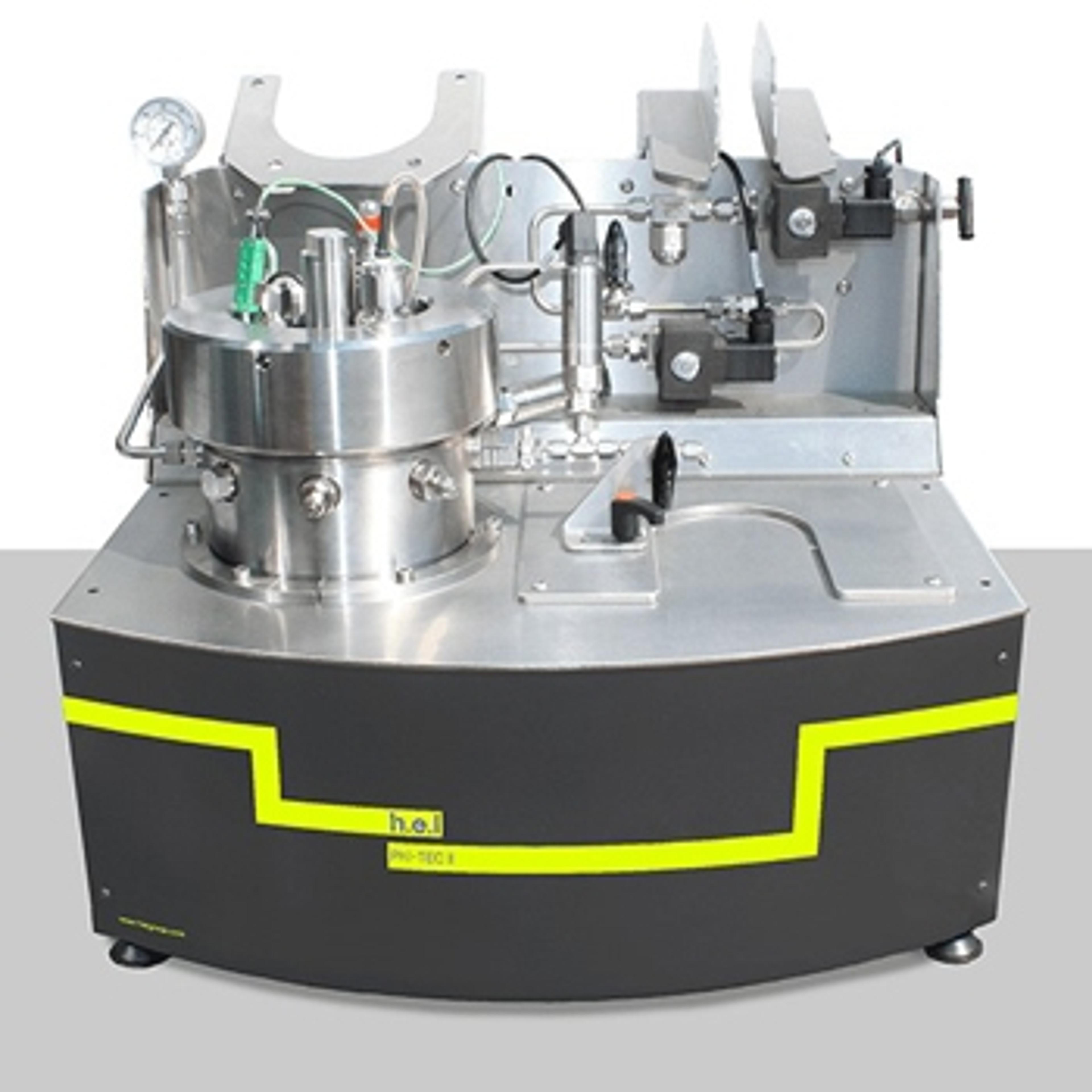
The Phi-TEC II is an adiabatic calorimeter, which supports the use of low Phi-factor test cells. This allows for manufacturing plant conditions to be fully replicated on a lab-scale thus allowing thermal runaway risks to be simulated and assessed.