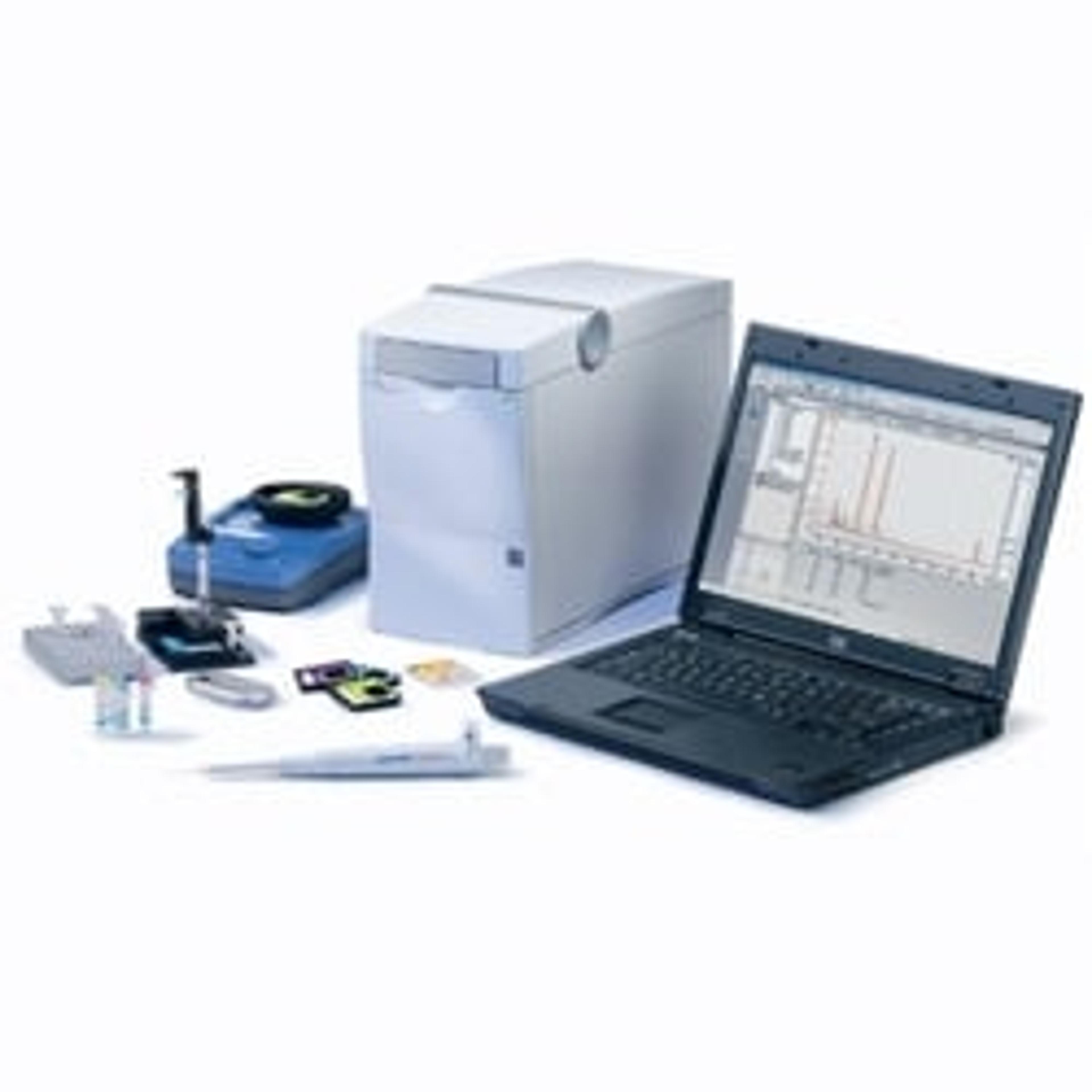
xCELLigence RTCA S16
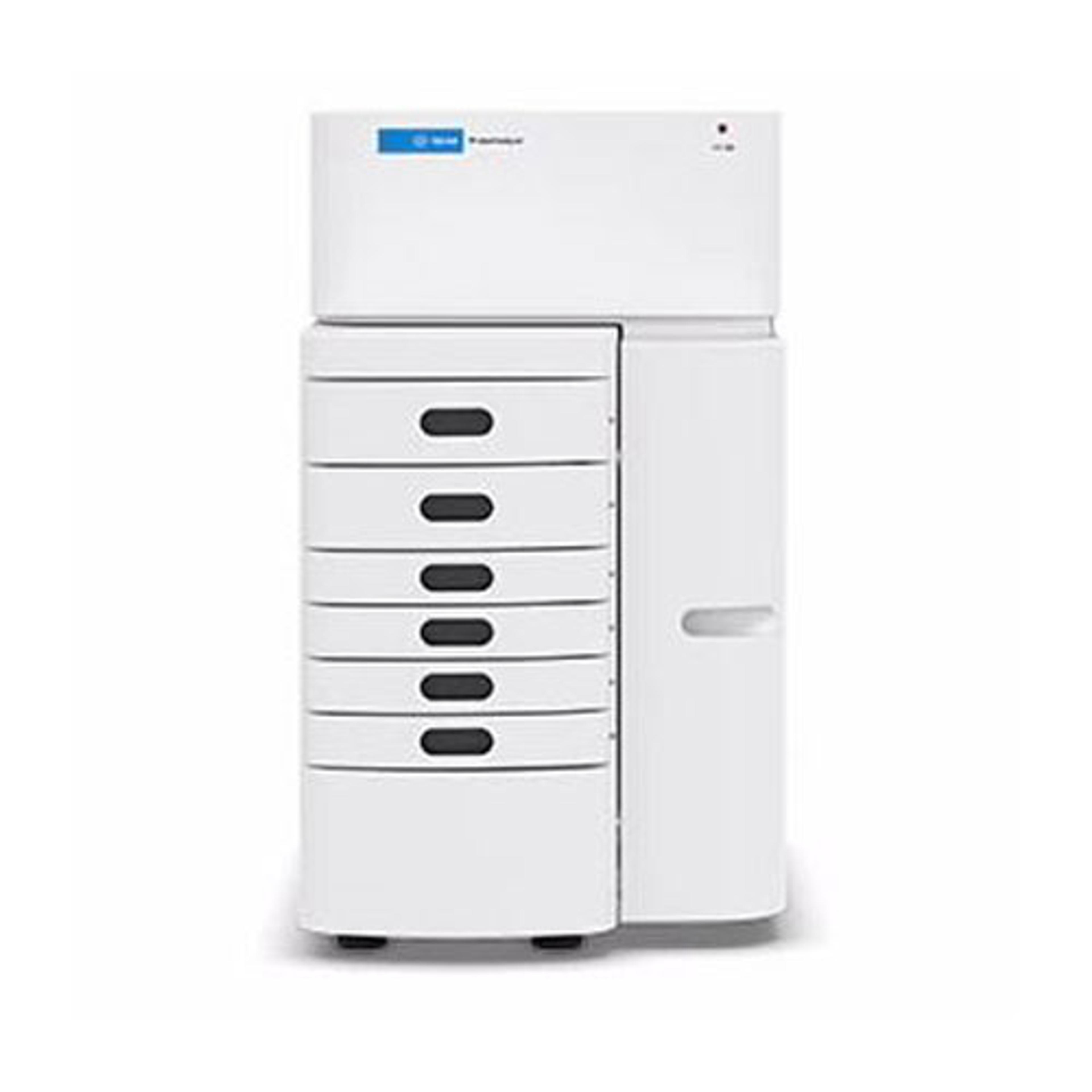
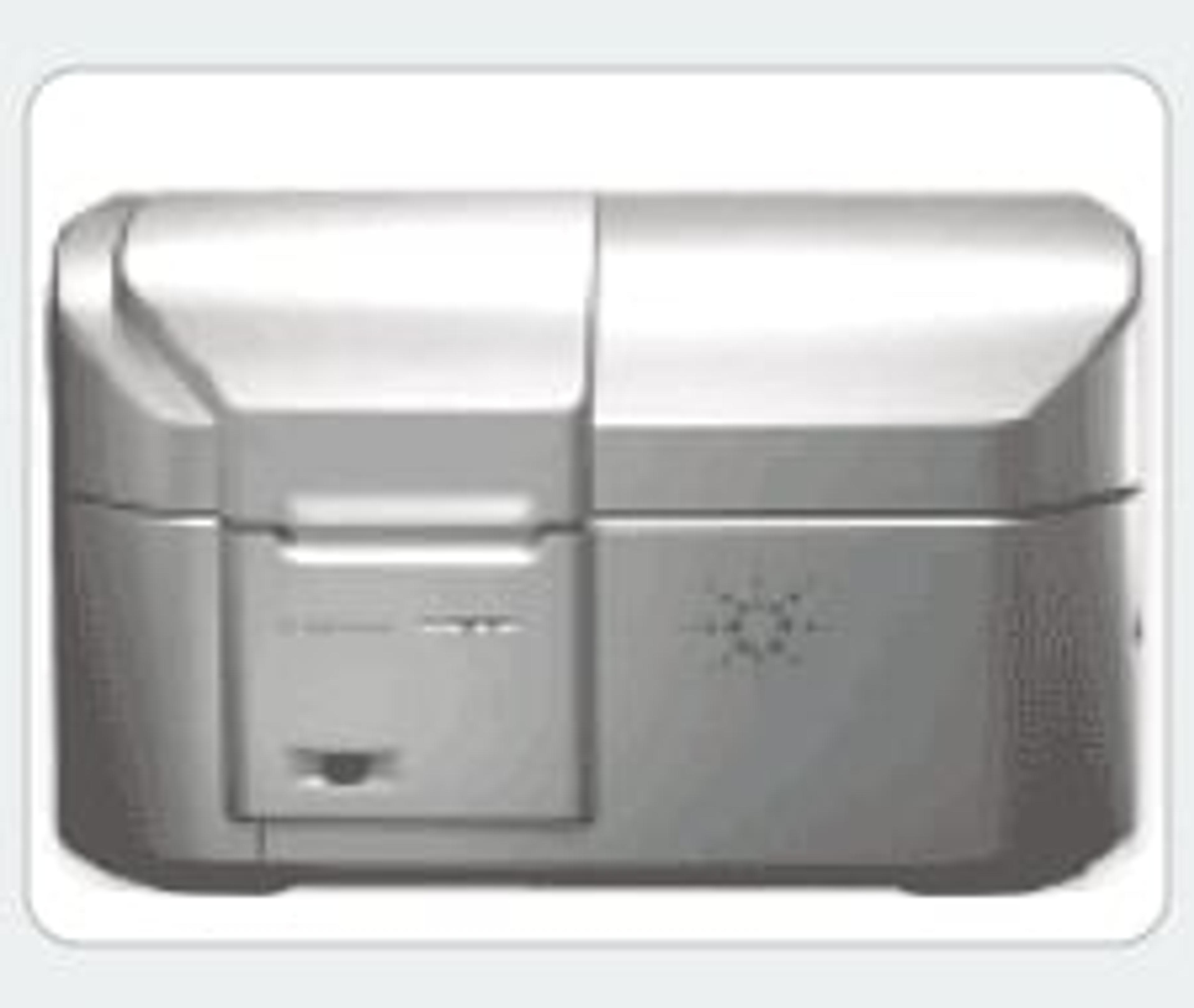
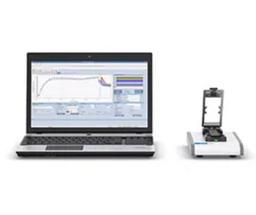
The xCELLigence RTCA S16 instrument uses biosensors to continuously monitor live cell proliferation, morphology change, and attachment quality in a label-free and real-time manner. The instrument operates in a standard CO2 cell culture incubator and the control unit is housed outside the incubator. User-friendly software allows for real-time control and monitoring of the instrument with real-time data analysis functions.…




Receive your quote directly from the manufacturer.
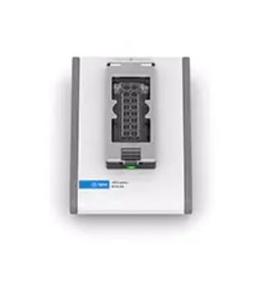
The xCELLigence RTCA S16 instrument uses biosensors to continuously monitor live cell proliferation, morphology change, and attachment quality in a label-free and real-time manner.
The instrument operates in a standard CO2 cell culture incubator and the control unit is housed outside the incubator. User-friendly software allows for real-time control and monitoring of the instrument with real-time data analysis functions.
For Research Use Only. Not for use in diagnostic procedures.

New developments in live-cell analysis: The Agilent xCELLigence RTCA eSight System
As cell analysis in basic research, translational medicine, and cell therapies becomes ever more sophisticated, it is imperative that solutions provide multiparametric and data-rich information. In this application note, Agilent Technologies introduces its xCELLigence RTCA eSight for real-time cell analysis, featuring non-invasive impedance-based monitoring together with live-cell imaging, all inside your incubator. One experiment provides two simultaneous methods with 5 different readouts. Cellular impedance first provides sensitive and rapid information about cell viability, growth, morphology, and barrier function. Brightfield and three fluorescent channels monitor and quantify viability, toxicity, and apoptosis- validating cellular impedance readouts and further boosting confidence in your results. This combination of information enables for much wider sampling and the assessment of cellular processes and biology – all within a single experiment.

Rewiring the metabolism of CAR-T cells
Join Professor Mercedes Rincon, University of Colorado Anschutz School of Medicine, as she discusses the groundbreaking advancements in adoptive T cell therapy, particularly chimeric antigen receptor (CAR) T cell therapy. While CAR-T therapy has achieved impressive complete remission rates in 60–90% of patients with relapsed/refractory B-cell acute lymphoblastic leukemia (r/r-B-ALL), challenges such as treatment failures and relapses remain significant obstacles.
Metabolism plays a critical role in T cell function, shaping immune responses. While glycolysis is essential for T cell expansion, it can restrict the self-renewal capacity of CAR-T cells during manufacturing. Mitochondrial respiration is vital for their survival and effectiveness. Recent findings have highlighted MCJ, a protein that negatively regulates mitochondrial function in CD8 cells. Loss of MCJ enhances mitochondrial respiration, cytokine secretion, and anti-tumor activity. Targeting MCJ to boost mitochondrial metabolism presents a promising strategy to enhance the efficacy of CAR-T cells and advance adoptive T cell therapies.
Key learning objectives
- Understand the current landscape of adoptive T-cell therapy
- Explain the role of metabolism in T cell function, highlighting the significance of glycolysis and mitochondrial respiration in enhancing CAR-T cell efficacy
- Identify the potential of MCJ as a therapeutic target to improve mitochondrial metabolism, cytokine secretion, and overall effectiveness of CAR-T cell therapies
Who should attend?
- Researchers and scientists specializing in CAR T-cell therapy, immunotherapy development, cell metabolism, glycolysis, and mitochondrial respiration.
Certificate of attendance
All webinar participants can request a certificate of attendance, including a learning outcomes summary, for continuing education purposes.

The biopharma innovations transforming patient health
Explore innovations such as oligonucleotide therapeutics, bi-specific antibodies, CAR-T therapy and CRISPR

Superior CAR T-cells: Safe and effective serial killers of solid tumors
Discover how bispecific-antibody-armed, metabolically enhanced headless CAR T-cells mediate high levels of cytotoxicity directed at solid tumors

4 upcoming webinars to help reach your research goals
Discover the latest tools and techniques to expand your research capacity with expert-led presentations on chromatography, drug discovery, biosafety, and more