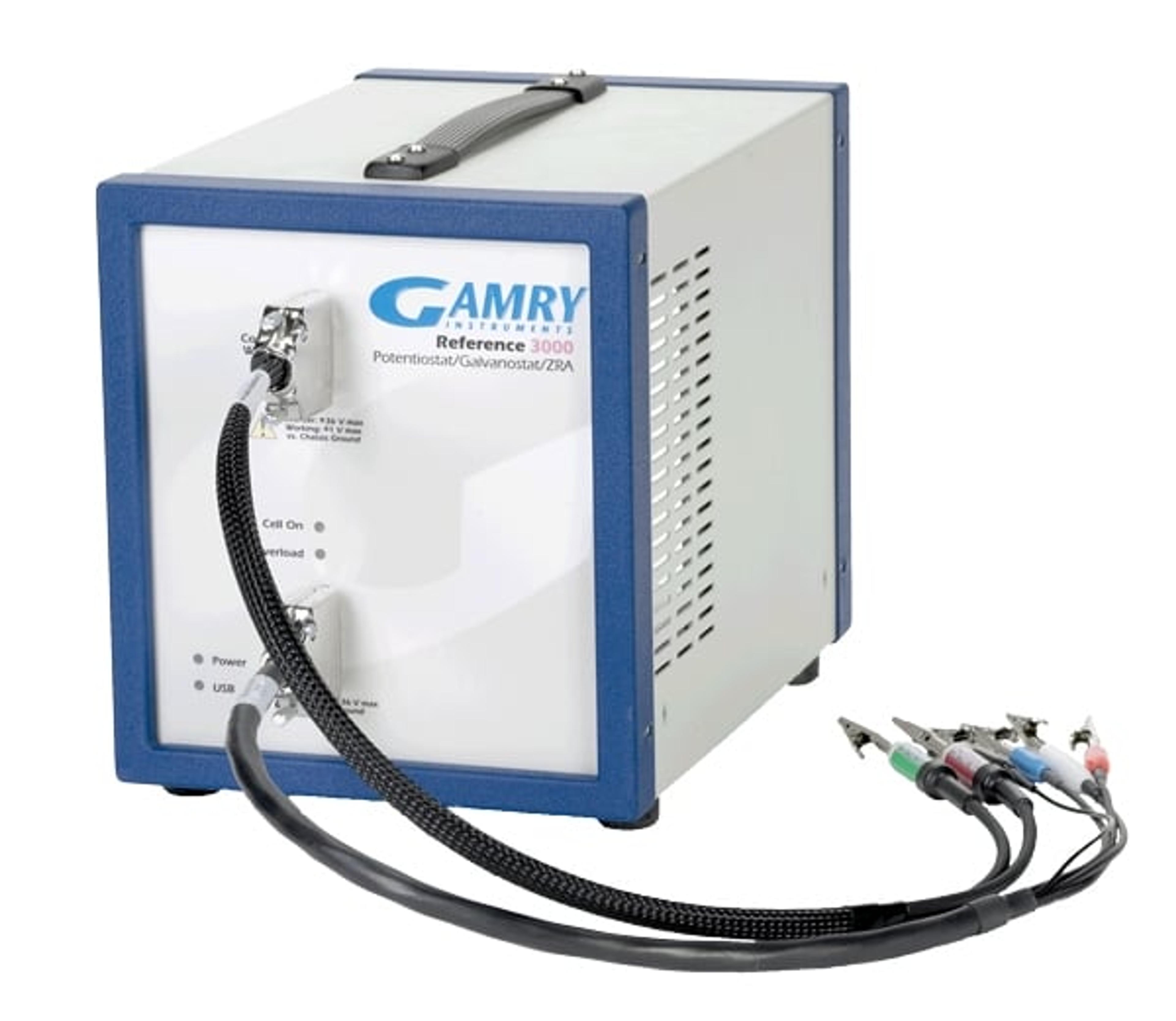
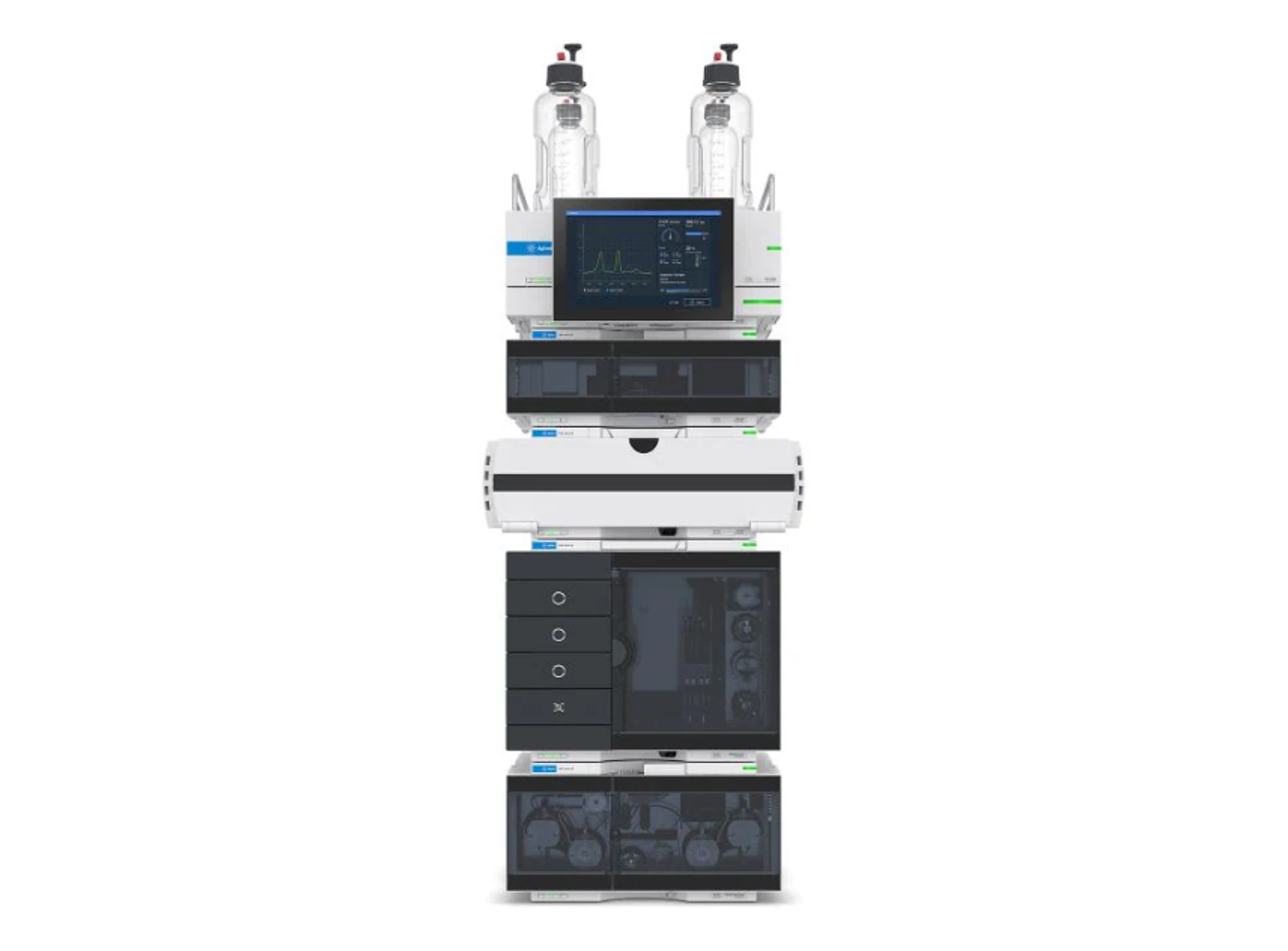
Reference 3000 Potentiostat
A high-current, high-performance potentiostat/galvanostat/ZRA.

A high-performance potentiostat

Reference 3000 Back Panel


The supplier does not provide quotations for this product through SelectScience. You can search for similar products in our Product Directory.
Robust and precise testing of PEM fuel cells
PEM fuel cell testing
In our lab, we are using overall 8 Gamry Reference 3000 potentiostats for the testing of PEM fuel cells. The potentiostats are integrated into test stands of Greenlight Innovation and operate highly automated. The Reference 3000 produces highly reliable data for our research and shows a robust performance. The required maintenance is normally minimal and we have always received very helpful support from the local distributor (C3 Analysentechnik, Munich). The applications are versatile. The most common usecases are cyclic voltammetry, electrochemical impedance spectroscopy and chronoamperometry. In the context of PEM fuel cell durability tests, the Reference 3000 can be used for voltage cycling as well.
Review Date: 21 Oct 2025 | Gamry Instruments
The Reference 3000 is a high-current, high-performance potentiostat well suited for researchers studying batteries, fuel cells or supercapacitors. It is also well suited for general physical electrochemistry experiments requiring high voltages and high currents. For very high current applications, the Reference 3000 can be interfaced with our Reference 30K Booster. The Reference 30000 is fully equipped to perform electrochemical impedance spectroscopy up to 1 MHz. The Accuracy Contour Plot below provides a detailed look at the performance you can expect from your instrument in real-world situations. The results include the cell cable.
Features:
- Dual compliance – 15 V at 3A or 32 V at 1.5 A
- 2, 3, 4, 5, or 6 cell connections
- EIS to 1 MHz
- Current Interrupt and Positive Feedback iR Compensation
- Auxiliary I/O
- Boostable to 30 A
Techniques Available:
- Physical Electrochemistry
- Pulse Voltammetry
- Electrochemical Impedance Spectroscopy
- DC Corrosion
- Electrochemical Energy
- Critical Pitting Temperature