Process Challenge Devices® (PCD®)
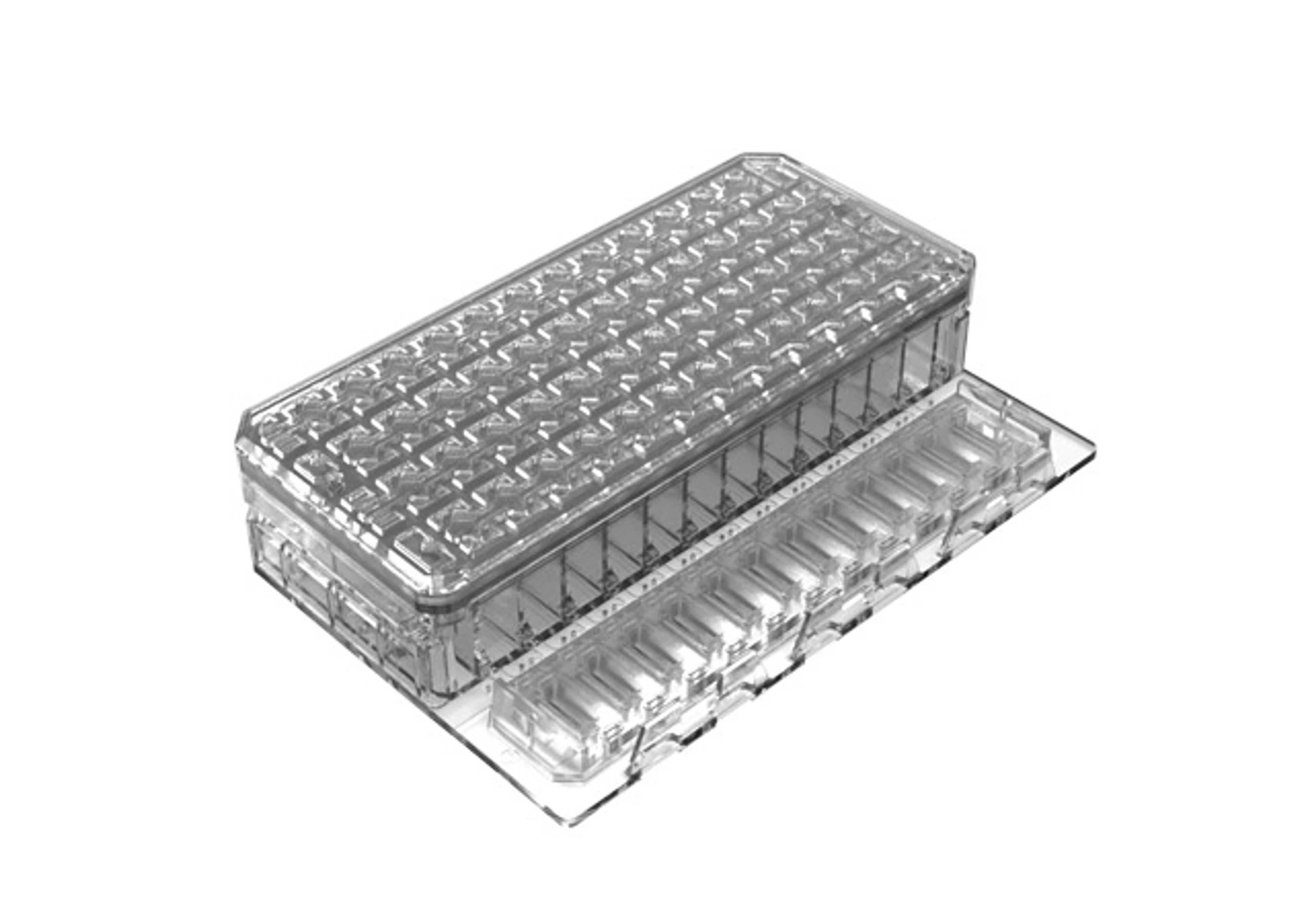
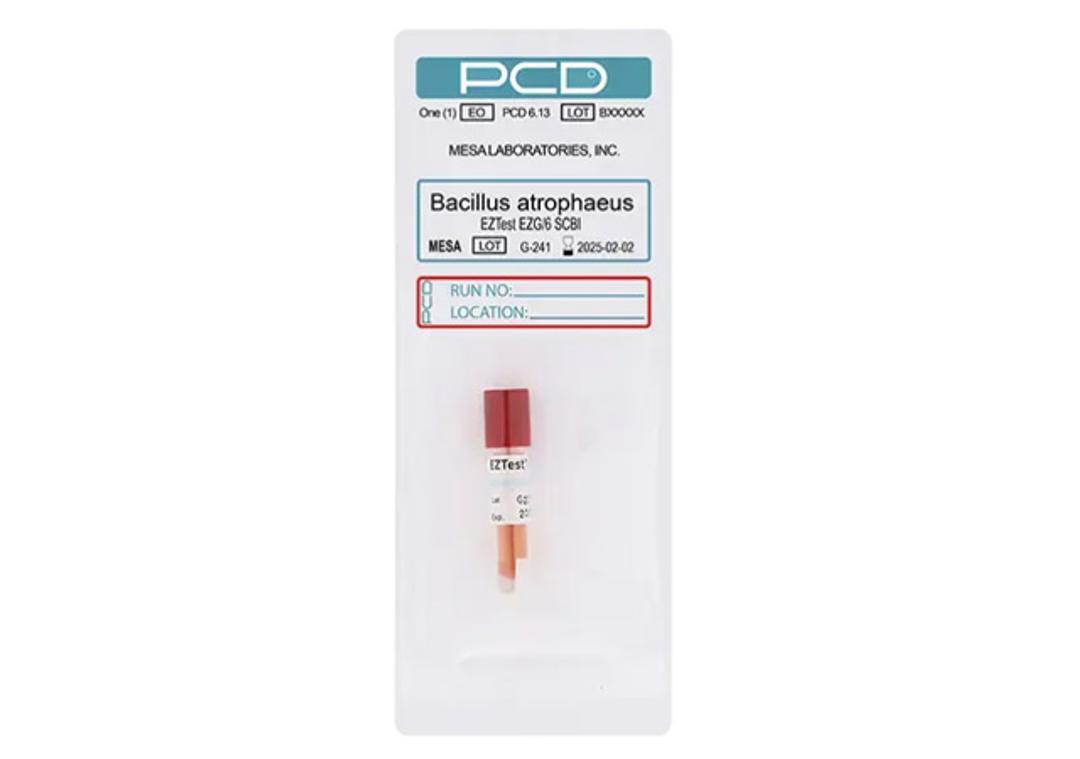
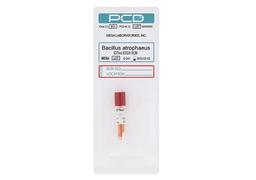
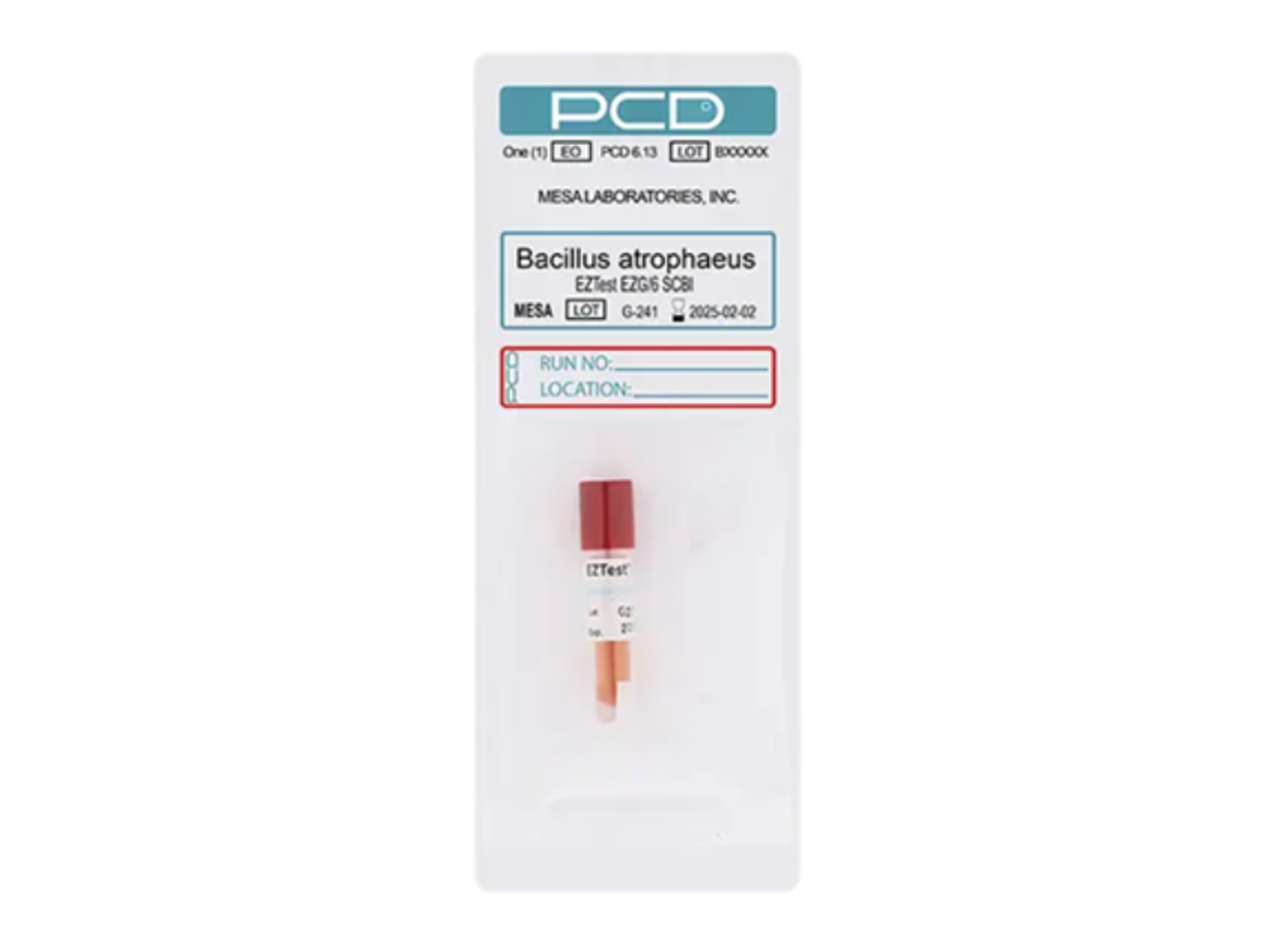
Process Challenge Devices (PCD®) certified to ISO 13485 quality systems for medical devices. These external PCDs (ePCD) ensure success of terminal sterilization cycles of medical devices, and can be used for both validation and routine monitoring of EO sterilization cycles.

The supplier does not provide quotations for this product through SelectScience. You can search for similar products in our Product Directory.
Each PCD combines specific biological indicators with proprietary barrier pouches to achieve consistent, validated resistance levels for ethylene oxide (EO) sterilization, plus one specialized option for hydrogen peroxide (H2O2) sterilization.
Why choose Mesa Labs PCDs?
- Each PCD has a defined resistance value, with all components resistance tested using a resistometer, ensuring complete confidence in every PCD.
- Manufactured under an ISO 13485 certified quality system
- Helps to achieve compliance with ISO 11135.
- Patented packaging of a variety of B. atrophaeus biological indicators (BI) to match your process.
- Broad resistance levels and BI types to meet different cycle configurations.
Faster turnaround with self-contained biological indicators (SCBI).
Rethinking ethylene oxide (EO) sterilization
For decades, ethylene oxide (EO) has enabled sterilization of sensitive medical devices, but its toxicity and regulatory scrutiny pose growing challenges. Manufacturers must now balance sterility assurance with safety, sustainability, and compliance.
Discover the strategies available, including biological indicators (BIs) and process challenge devices (PCDs), that are reducing EO concentrations while maintaining efficacy, to streamline compliance and protect both people and products.
Choosing the right PCD configuration for reliable sterility assurance
Achieving the required Sterility Assurance Level (SAL) is vital for product safety and compliance. This paper guides manufacturers in selecting the right Process Challenge Device (PCD) configuration to ensure effective EO sterilization and efficient cycle validation.
Why medical device manufacturers should rethink sterilization assurance
Experts unpack the risks of homemade PCDs and the impact of regulatory and technological change on sterilization