PhenoCycler®
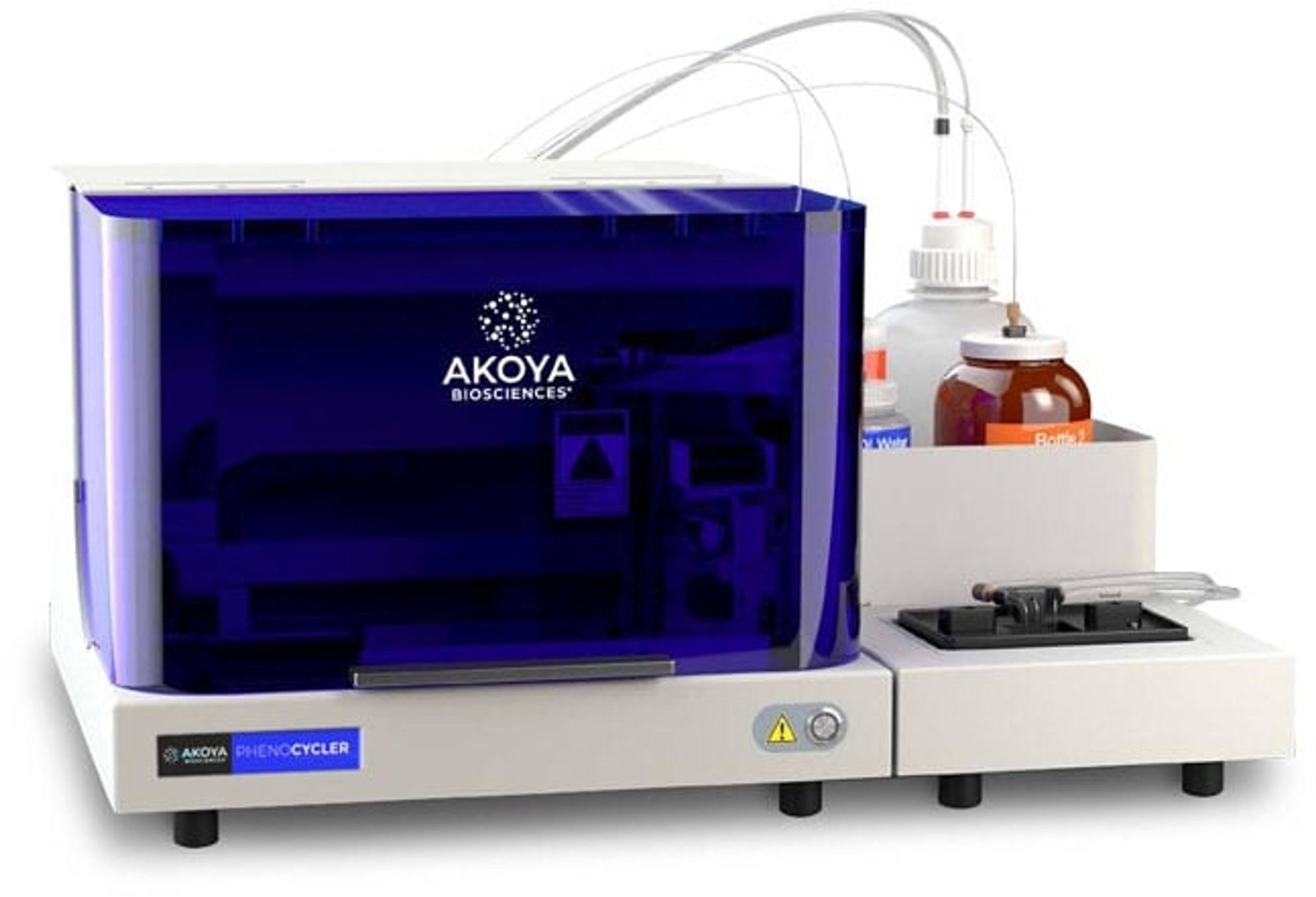
The PhenoCycler ® is a cutting-edge fluidics control unit that integrates with the PhenoImager Fusion imaging platform creating the fastest spatial biology solution with unparalleled throughput.

Akoya’s PhenoCycler™ System


The supplier does not provide quotations for this product through SelectScience. You can search for similar products in our Product Directory.
Best in multiplex image quality!
Multiplex Multiomics
Phantastic looking images, reliable data and great scientific support!
Review Date: 23 Mar 2023 | Akoya Biosciences
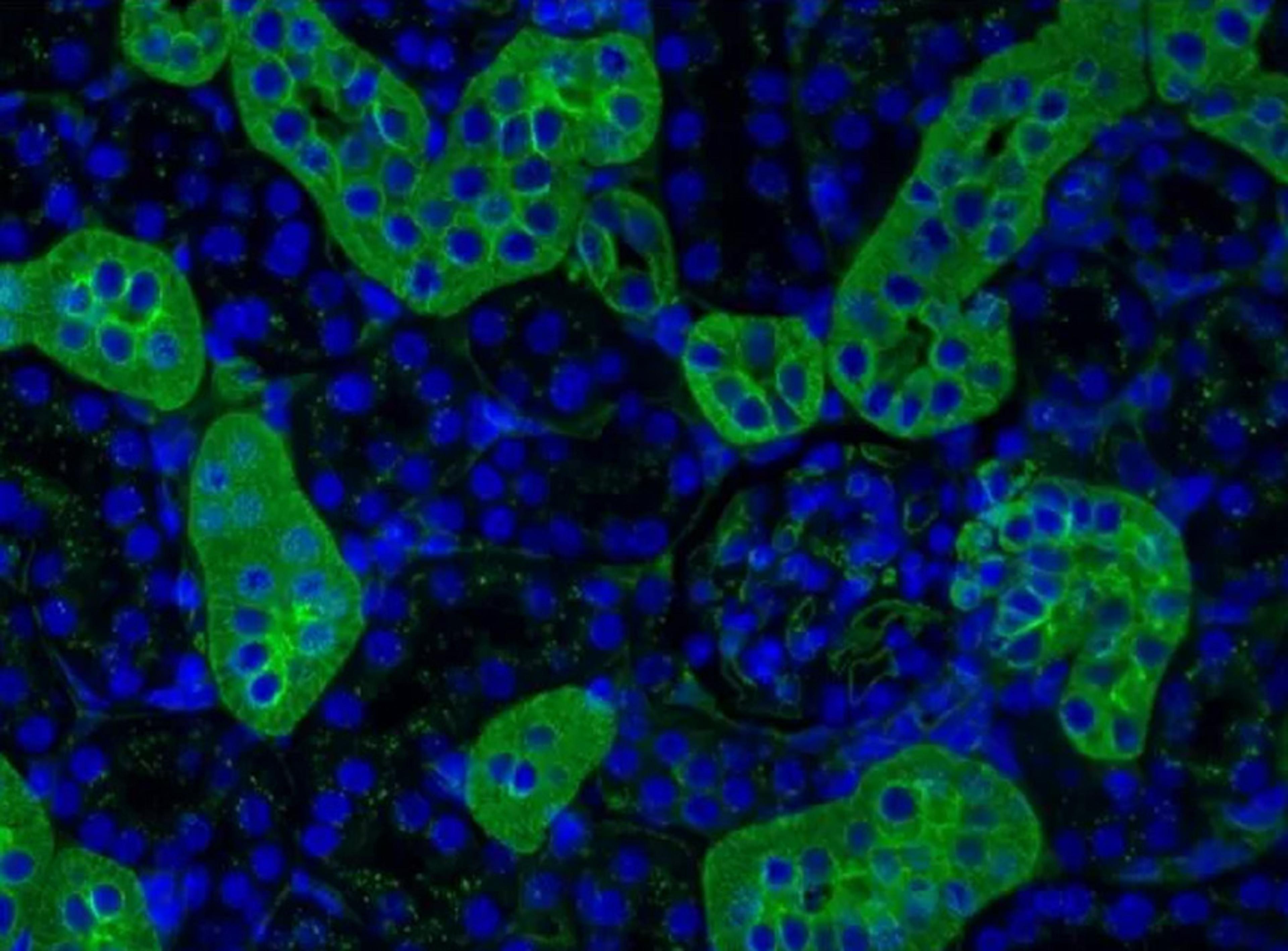
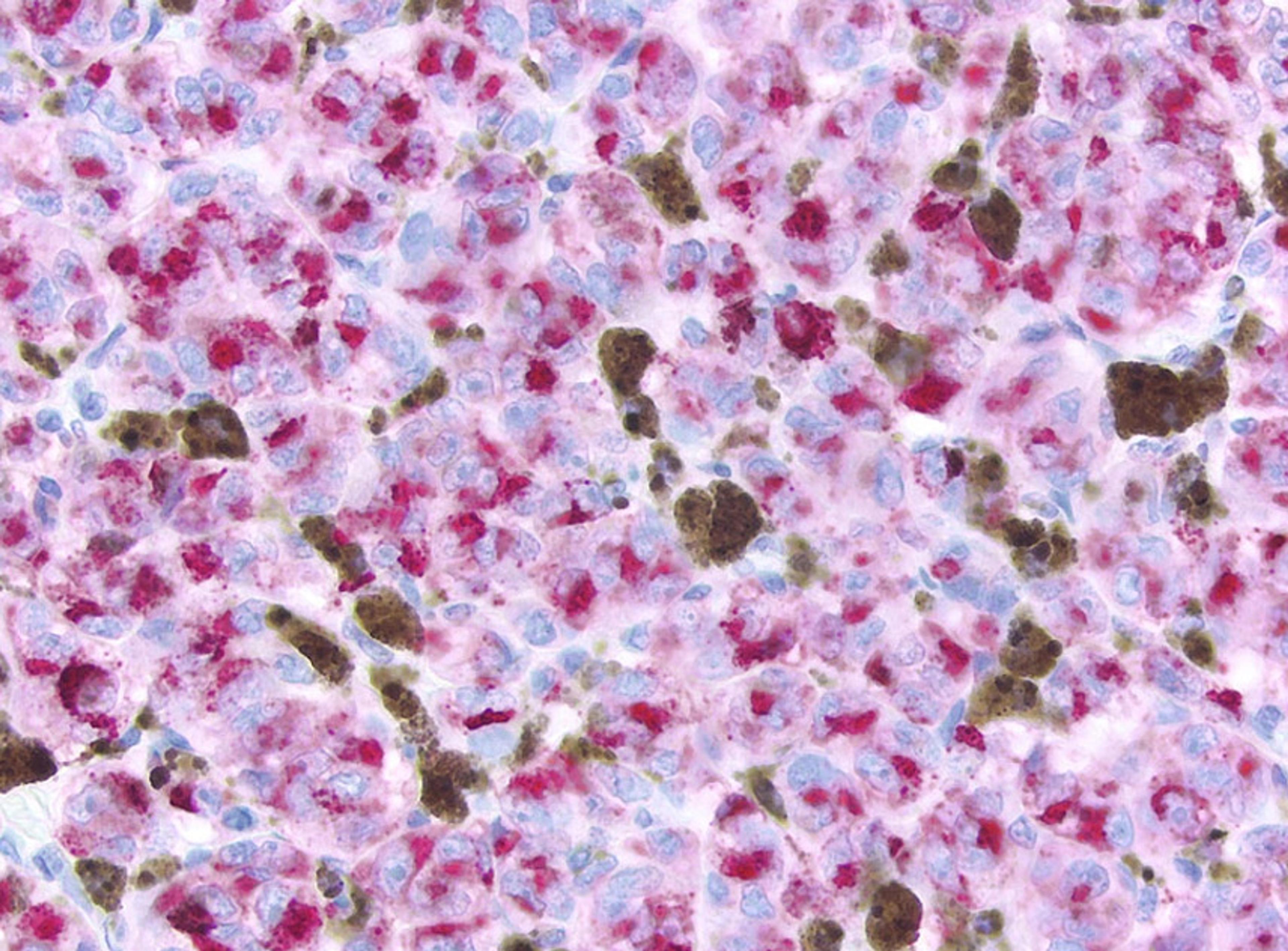
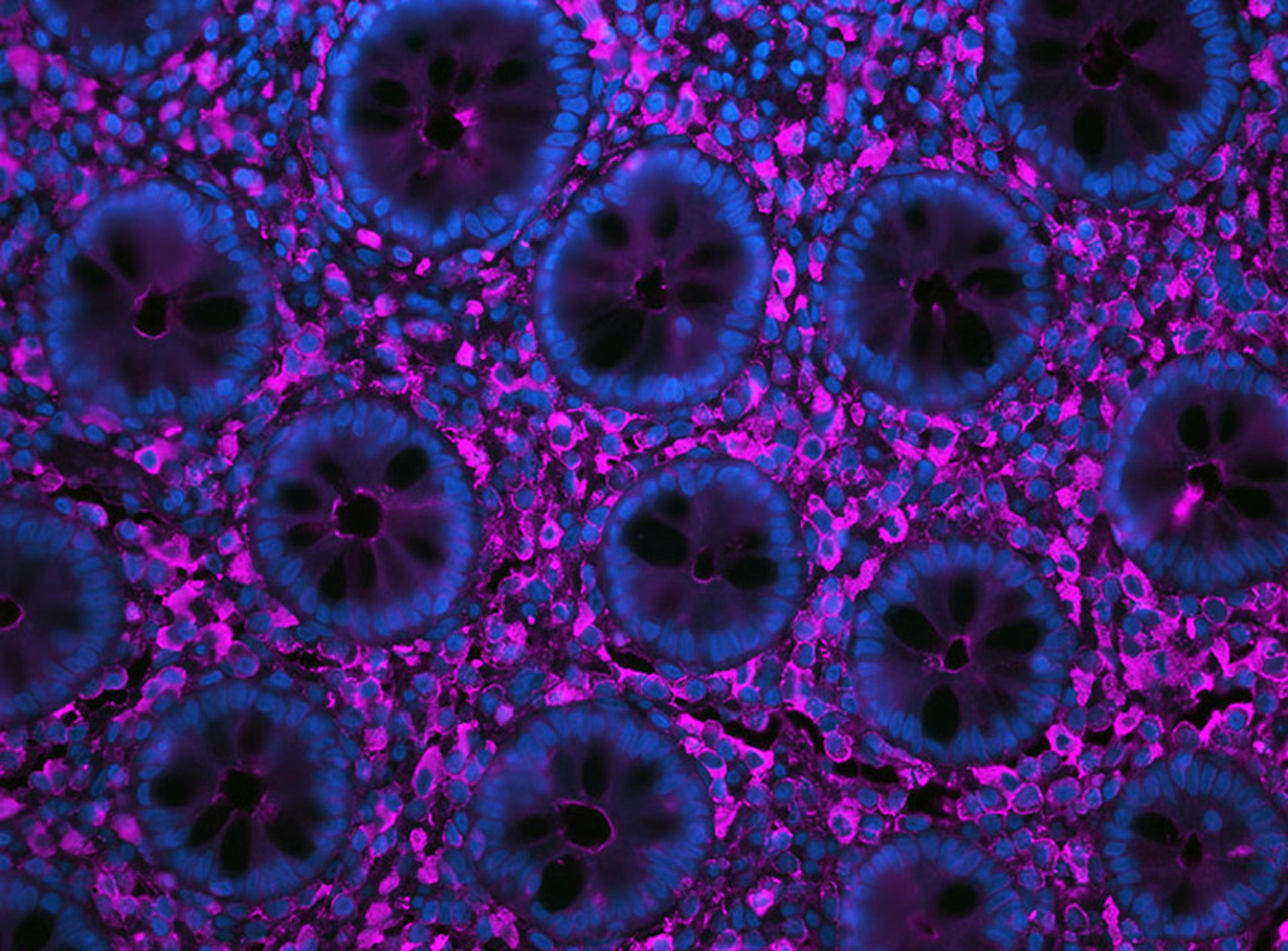
The PhenoCycler®-Fusion system is the fastest spatial biology solution that enables ultrahigh-plex spatial phenotyping of whole slides at single-cell resolution by integrating automated fluidics and iterative imaging. Capable of imaging 1 million cells in 10 minutes, the system allows unbiased spatial phenotyping of tissues, accounting for every single cell across the whole slide. Moreover, it is high-throughput and the only system that enables translation of spatial discoveries into actionable biomarkers.

Spatial phenotyping without compromise in plex, resolution, or throughput
Biological systems are complex, and full spatial understanding of tissue heterogeneity and cellular microenvironments has been hampered by trade-offs that are forced by the available analytical technologies.
All of which has given rise to the concept of the ‘iron triangle’ – the hard problem of improving resolution, plex and throughput simultaneously in one analytical solution.
But the world is set to change with the advent of new spatial phenotyping approaches that enable viewing, characterization and quantification of cells by lineage and variant with single-cell resolution, all in the context of an intact tissue sample.
From capturing tumor heterogeneity and validating cancer models, to teasing out how the cellular microenvironment impacts disease progression and treatment response, this guide will explain how spatial phenotyping can deliver advances in automation, efficiency, tunability, and speed that are set to transform how we study tissue biology.