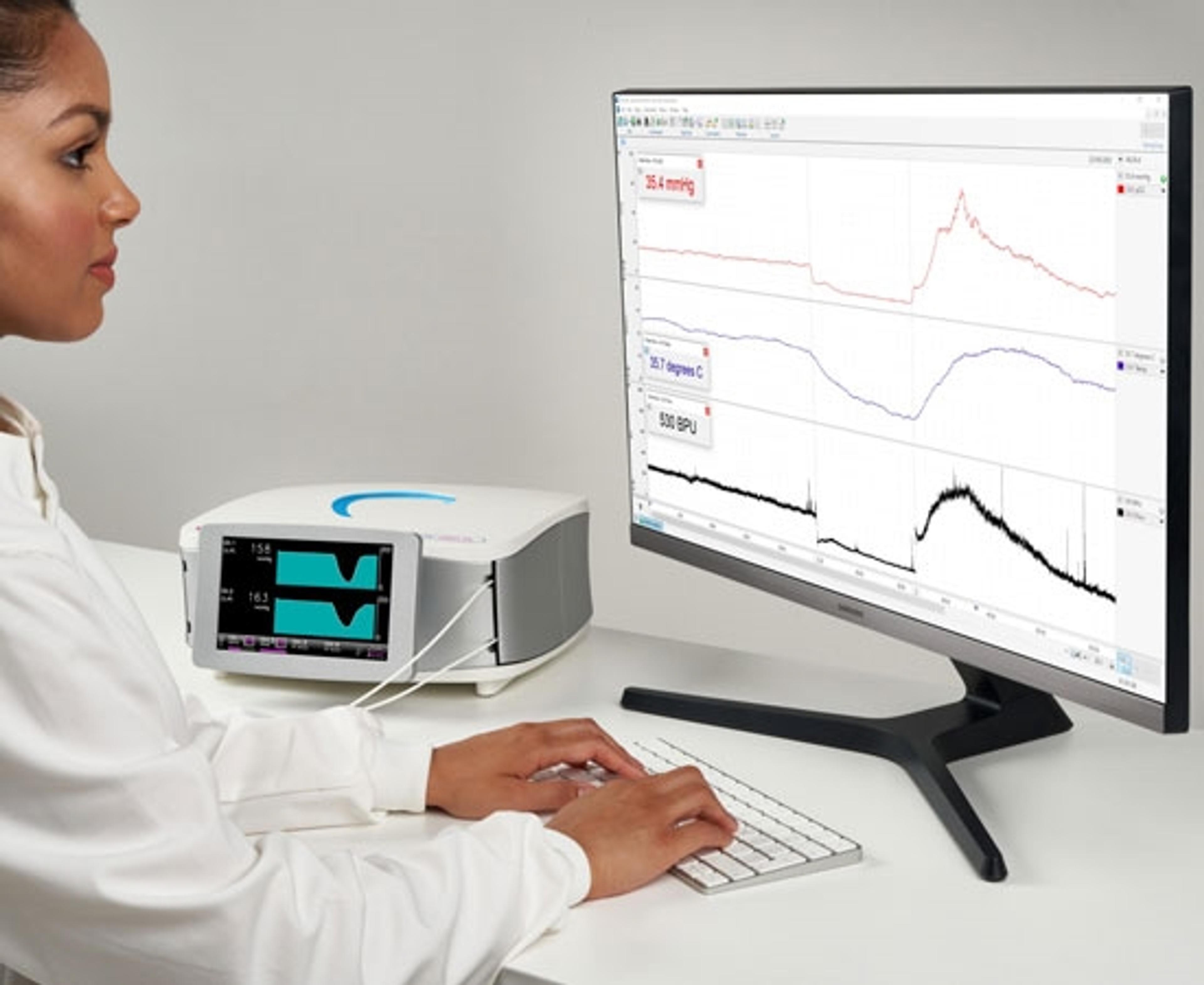
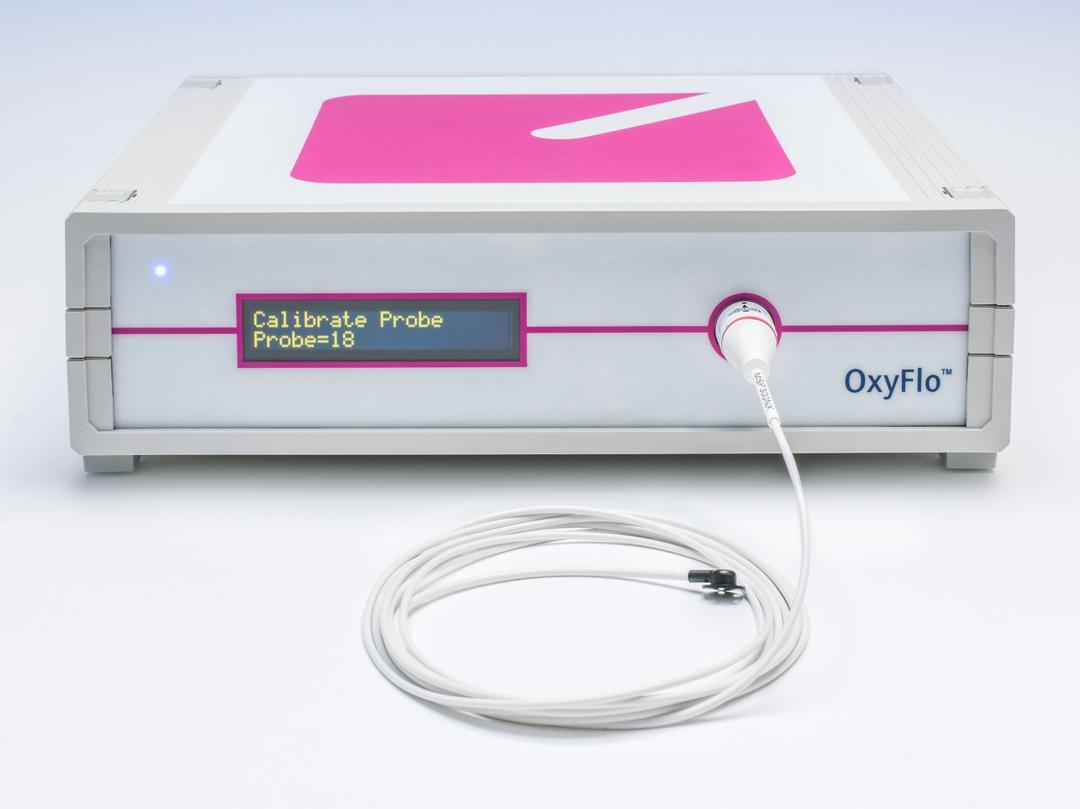
OxyFlo and OxyFlo Pro
Continuous tissue blood flow assessment





Receive your quote directly from the manufacturer.
Practical and easy to use.
Brain function measurement
I have used the OxyFlo system to measure brain flow changes in awake head-fixed mice during spontaneous behaviour. The probes are easy to use and the results have a straightforward interpretation, which simplifies experiments greatly. Results are better in the cortex surface than in deeper areas because the thickness of the probe makes it difficult to introduce it inside the brain. Overall I found it useful to confirm other results.
Review Date: 9 May 2023 | Oxford Optronix
Third-generation laser-Doppler tissue blood flow monitors, ideal for continuous measurements of relative tissue perfusion in acute experimental models.
Key Features:
- Continuous, real-time tissue perfusion assessment
- Unrivalled ease of use
- Measurement from up to 4 locations simultaneously
- Outstanding accuracy, stability and performance
- Motion artefact signal rejection filter (multi-channel models)
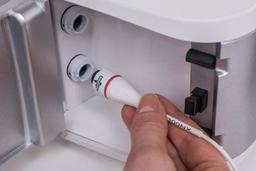
- One-time calibration probes
- Optional multi-parameter monitoring when combined with OxyLite for tissue pO2 measurements
- Analogue and digital data outputs for continuous data recording
- Intuitive touch-screen controls on multi-channel models
- 2-year product warranty
Applications:
- Peripheral vascular disorders
- Models of stroke and brain injury (e.g. MCAO)
- Angiogenesis
- Essential organ vitality
- Transplantation
Brochures
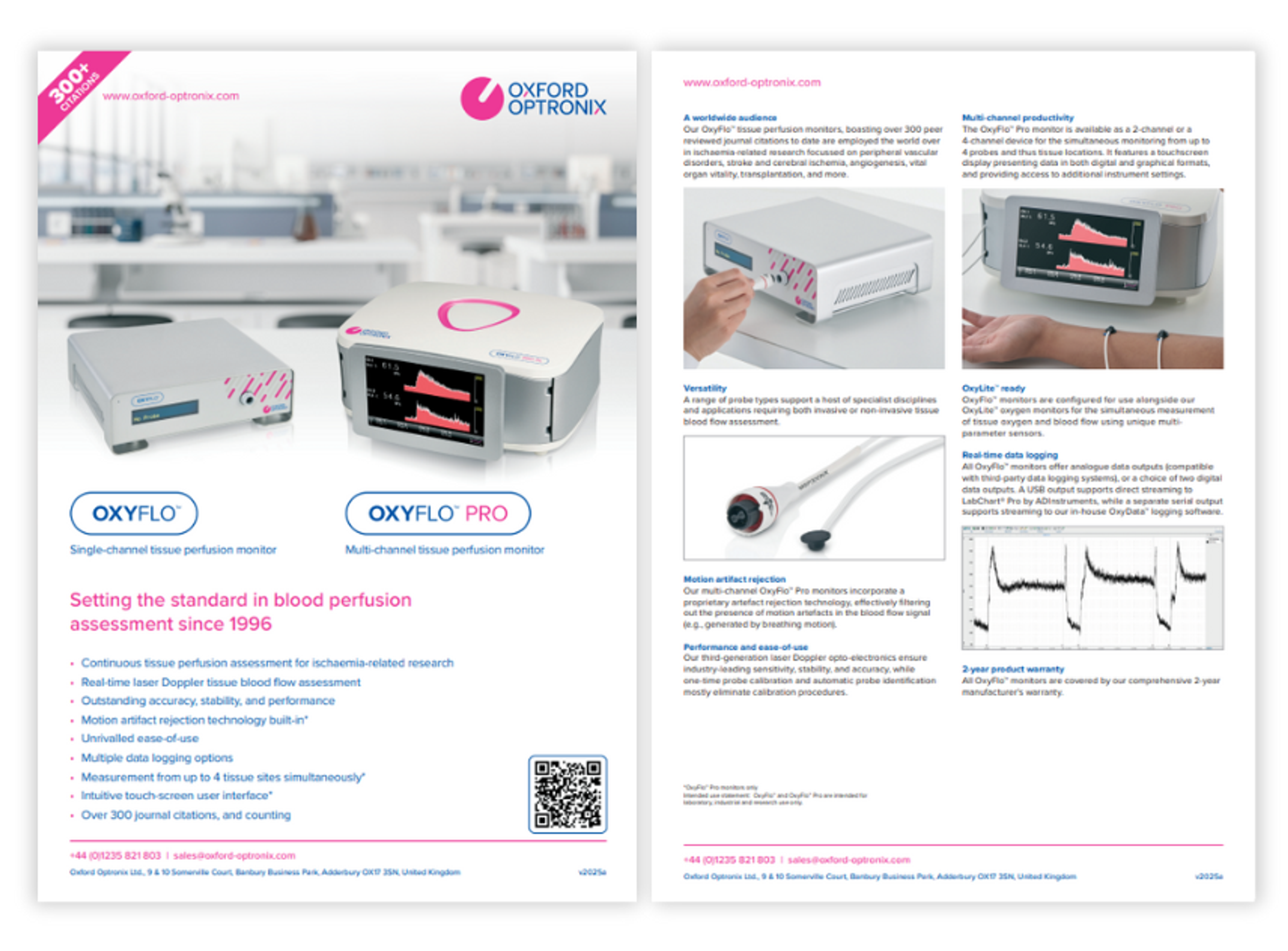
OxyFlo: Setting the standard in blood perfusion assessment
In this product brochure, Oxford Optronix introduces the OxyFlo and OxyFlo Pro tissue perfusion monitors, boasting over 300 peer reviewed journal citations to date are employed the world over in ischemia-related research focused on peripheral vascular disorders, stroke and cerebral ischemia, angiogenesis, vital organ vitality, transplantation, and more.