Products & ReviewLife Sciences

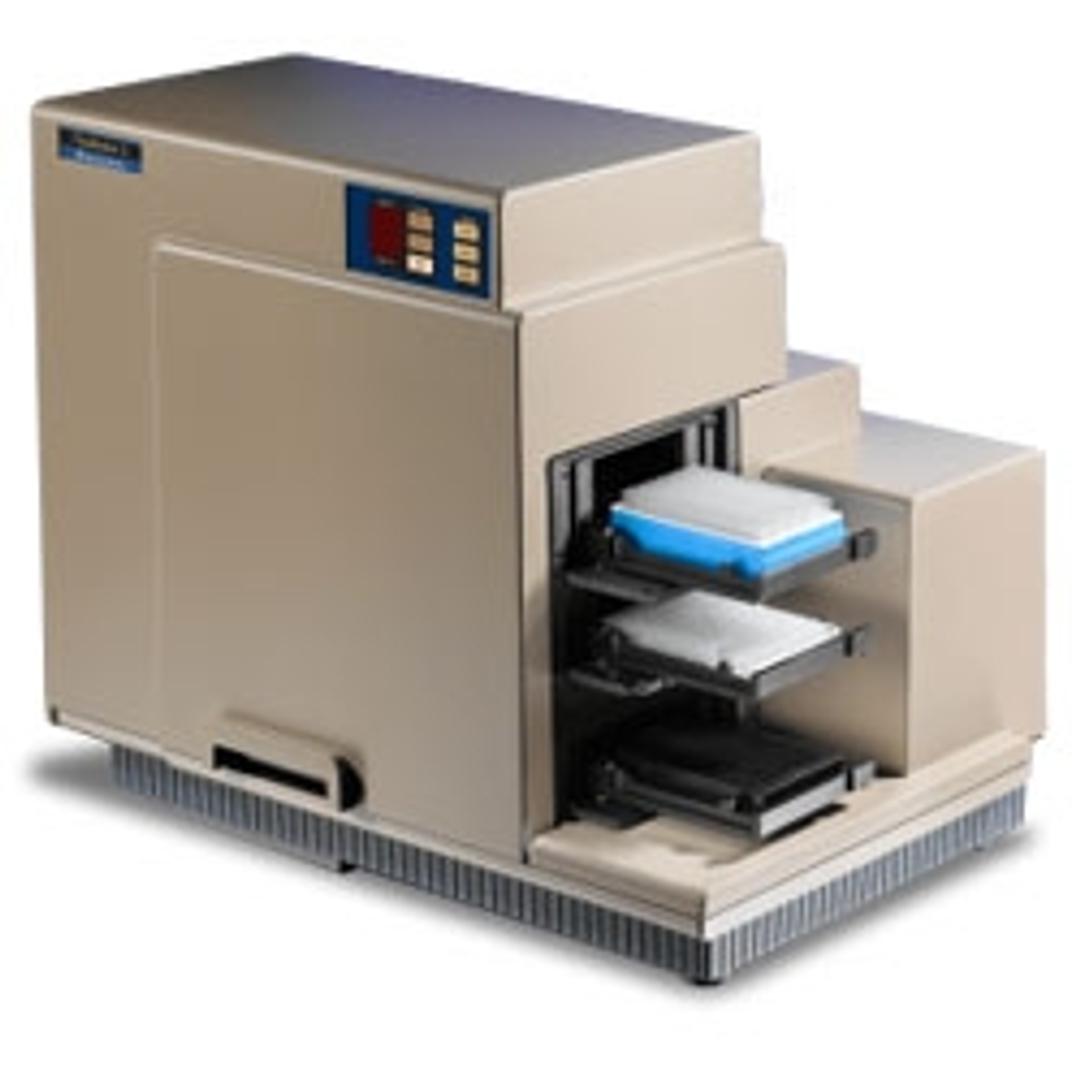
FlexStation® 3 Multi-Mode Microplate Reader

Molecular Devices®Flex 3 SystemAvailable: Worldwide

Fast track your most complex biochemical and cell-based assays
Request Pricing
Molecular Devices®

Receive your quote directly from the manufacturer.

Reviews

Average Rating 4.8

|4Scientists have reviewed this product

Ease of Use
After Sales Service
Value for Money
Write your own review

Great result, easy to set up the experiment


Average Rating 4.3

Application Area:

cAMP kinetics

Excellent machine with multiple features from fluorescence to Lum. Endpoint to Real-time all in one.

Review Date: 21 Oct 2022 | Molecular Devices®

Excellent high quality and reproducible results. Highly recommendable instrument.


Average Rating 5.0

Application Area:

Multimode recording of ion channel functional activity

High quality and reproducible results, particularly when recording time-resolved fluorescence. Really excellent after sales care and very professional attention from technical personnel and high ranking staff even at the general management and vice president levels.

Review Date: 5 Jun 2020 | Molecular Devices®

Must have.


Average Rating 4.7

Application Area:

assay development and medium throughput screening

It is not the easiest to take care of the pipetting part. But it's the best way so far if one can't afford a FLIPR yet.

Review Date: 14 Feb 2019 | Molecular Devices®

Valuable and reliable instrument


Average Rating 5.0

Application Area:

Drug Discovery and HTS

FlexStation3 has proved to be a reliable instrument, producing high quality results, easy to use and excellent value for money

Review Date: 12 Jun 2017 | Molecular Devices®

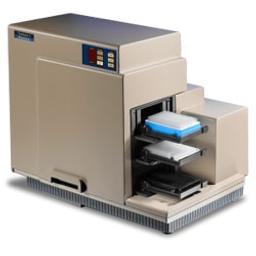
With advanced dual optical systems operating above and below your microplates, the FlexStation® 3 Reader measures absorbance, fluorescence intensity, fluorescence polarization, luminescence, and time-resolved fluorescence. But that's just the beginning, because this incredible benchtop system integrates multi-mode microplate optics with precision, programmable liquid handling for perfectly timed, automated biochemical and cell-based assays. The FlexStation 3 Reader requires that you give up nothing in assay design, because it adds your assay reagents from a 96- or 384-well source plate. Five optical detection modes with programmable plate-to-plate, well-to-well liquid handling. You'll create some fast, amazing new assays.

Optimized plate reader assays for breakthrough drug discovery research

Biology research has been greatly simplified by the availability of standardized assay kits, instruments, and assay protocols from commercial manufacturers. However, assay optimization remains an essential and often time-consuming step to ensure the desired sensitivity and specificity to the target of interest. Molecular Devices presents its range of easy-to-use, robust assay kits for protein, DNA, and cell-based assays. Discover how these assay kits are optimized for the highest data quality on Molecular Devices instruments, including compatible software to streamline your workflow.
Application NoteLife Sciences

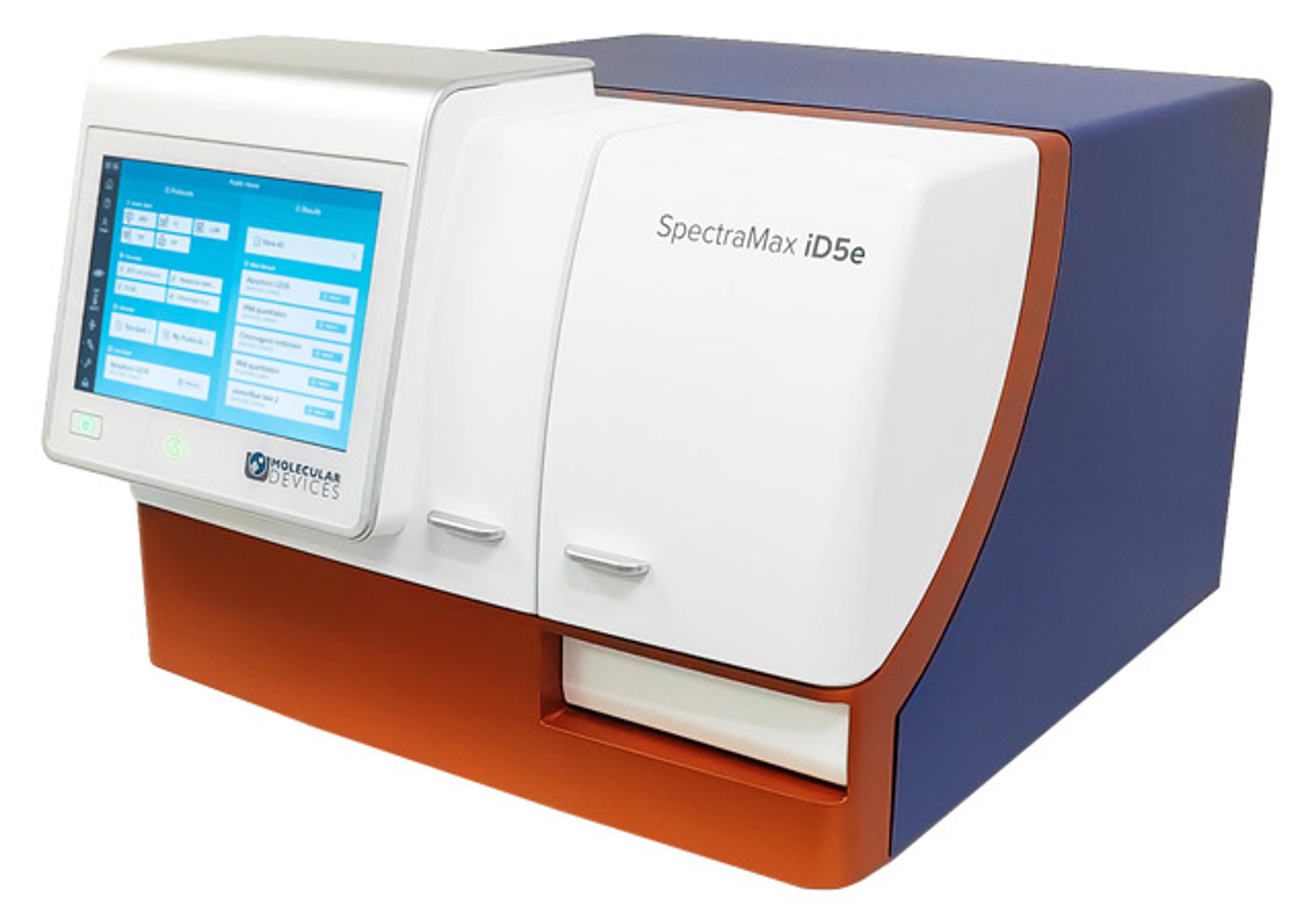
Monitoring Gq Protein-Coupled Receptor Activation on the SpectraMax i3x Reader with Injector Module

Gq protein-coupled receptor activation is commonly monitored in live cells in real time using calcium-sensitive dyes on a fluorescence plate reader. Automated liquid handling within the plate reader is generally required to deliver agonist compounds to the cells in the microplate while the detection system takes real-time readings of compound-induced changes in fluorescence intensity values. Analysis of the resulting kinetic readings yields information about the compound response profiles, including EC50 and IC50 values for agonists and antagonists.


Application NoteLife Sciences

Calcium Signaling with FLIPR Calcium 6 and 6-QF Assay Kits on the FlexStation 3 Reader

FLIPR® Calcium Assay Kits from Molecular Devices employ sensitive calcium indicators and proprietary masking dyes to enable researchers to conduct highly sensitive fluorescent screens of G-protein coupled receptors (GPCRs), ion channels, and other calcium sensitive targets. By using a novel dye formulation to further enhance the calcium flux assay signal window, assay robustness is increased, while providing greater assay protocol flexibility. As a result, the FLIPR Calcium 6 and Calcium 6-QF Calcium Kit dyes become more suitable for measuring calcium flux in 384-well plates with the medium throughput FlexStation® 3 MultiMode Microplate Reader using the 16 channel pipettor. Results are similar to those obtained on the FLIPR® Tetra System in high throughput mode.


Application NoteLife Sciences

Comparison of Photina Luminescent Calcium Mobilization Assays on the FlexStation 3 Reader and FLIPR Tetra System

G protein-coupled receptors (GPCRs) represent one of the most important therapeutic targets in drug discovery research. GPCRs are membrane-localized proteins that play an important role in cell signaling. When a receptor is activated by a ligand, the conformation of the receptor is modified, activating G-proteins inside the cell. An active G-protein has the potential to induce various cascades of intracellular messengers, including calcium.


Application NoteLife Sciences

Characterization of hERG Channel Blockers Using the FLIPR Potassium Assay Kit on the FlexStation Multi-Mode Microplate Reader

Drug-induced inhibition of the human ether-à-go-go-related gene (hERG) ion channel has been related to the susceptibility of patients to potentially fatal ventricular tachyarrhythmia, torsade de pointes. In recent years, a number of FDA-approved drugs were withdrawn from the market due to their off-target effect on hERG. As a result, there has been an increasing need for identifying compounds that block the hERG channel at earlier stages in the drug discovery process. Here we present the utility of a new potassium assay kit on the FlexStation® 3 Multi-Mode Microplate Reader to investigate hERG compound activity.


Application NoteLife Sciences

Development of a Platelet Calcium Flux Assay Using Fura-2, AM on the FlexStation 3 Reader

Platelets are small, anucleate blood cells that mediate haemostasis by aggregating at sites of blood vessel injury to form a thrombus (or clot) that limits blood loss. When platelets respond to vessel damage inappropriately this can lead to thrombotic disease such as heart attacks and ischaemic stroke. Three main steps underlie thrombus formation: stage one is adhesion (platelets attach to exposed matrix proteins in the damaged vascular endothelium), stage two is activation (receptor mediated events such as shape change and secretion of chemical messengers), and stage three is aggregation (platelet-to-platelet adhesion).


Application NoteLife Sciences

Detect Dual Luciferase Expression on the FlexStation 3 Microplate Reader

Reporter gene assays are important tools for studying gene expression associated with the activation of cellular pathways. Cells are transfected with a plasmid containing the reporter gene and a sequence of interest, typically a promoter or other transcriptional control element. When the promoter is activated, the reporter gene is expressed and its levels can be measured.


Application NoteLife Sciences

IMAP Phosphodiesterase Assays on SpectraMax Multi-Mode Microplate Readers

IMAP® Technology from Molecular Devices enables rapid, homogeneous, and non-radioactive assay of kinases, phosphatases, and phosphodiesterases and is suited for both assay development and high-throughput screening. IMAP assays are based on binding of phosphate to immobilized metal coordination complexes on nanoparticles.

Product Overview

Links