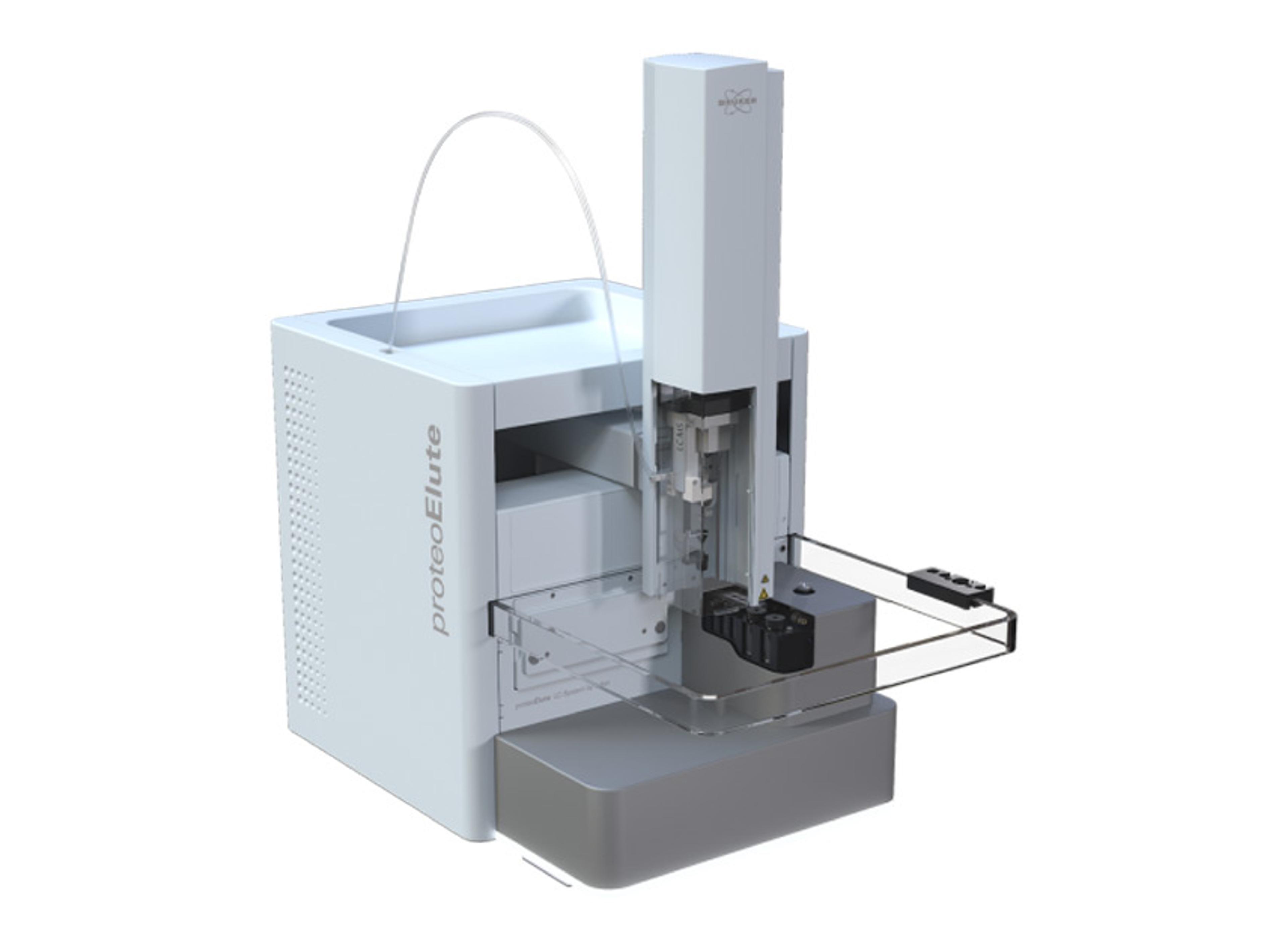
Calypso™ Biomolecular Interaction Analysis System
Absolute characterization of protein-protein and other macromolecular interactions with composition-gradient multi-angle light scattering.


The supplier does not provide quotations for this product through SelectScience. You can search for similar products in our Product Directory.
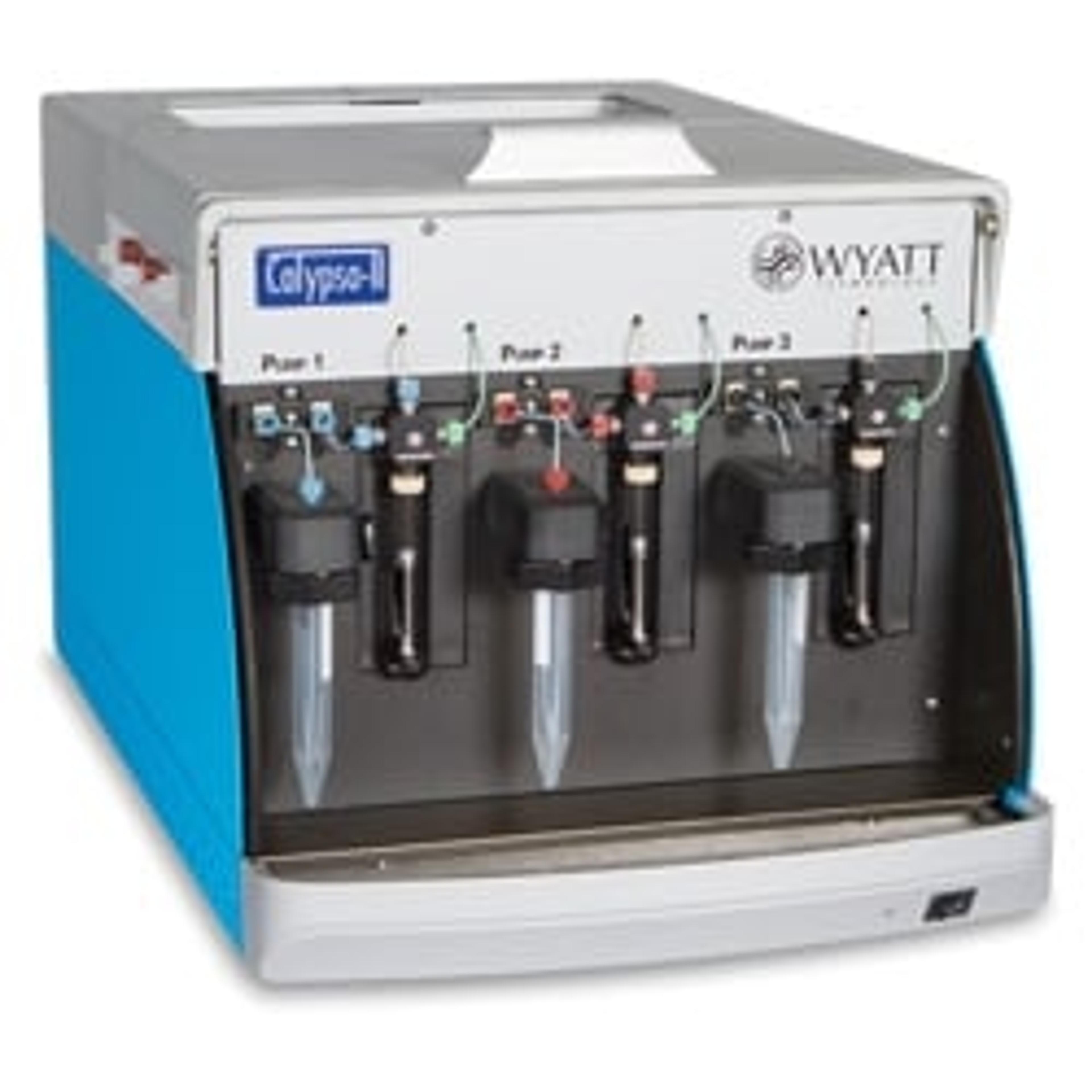
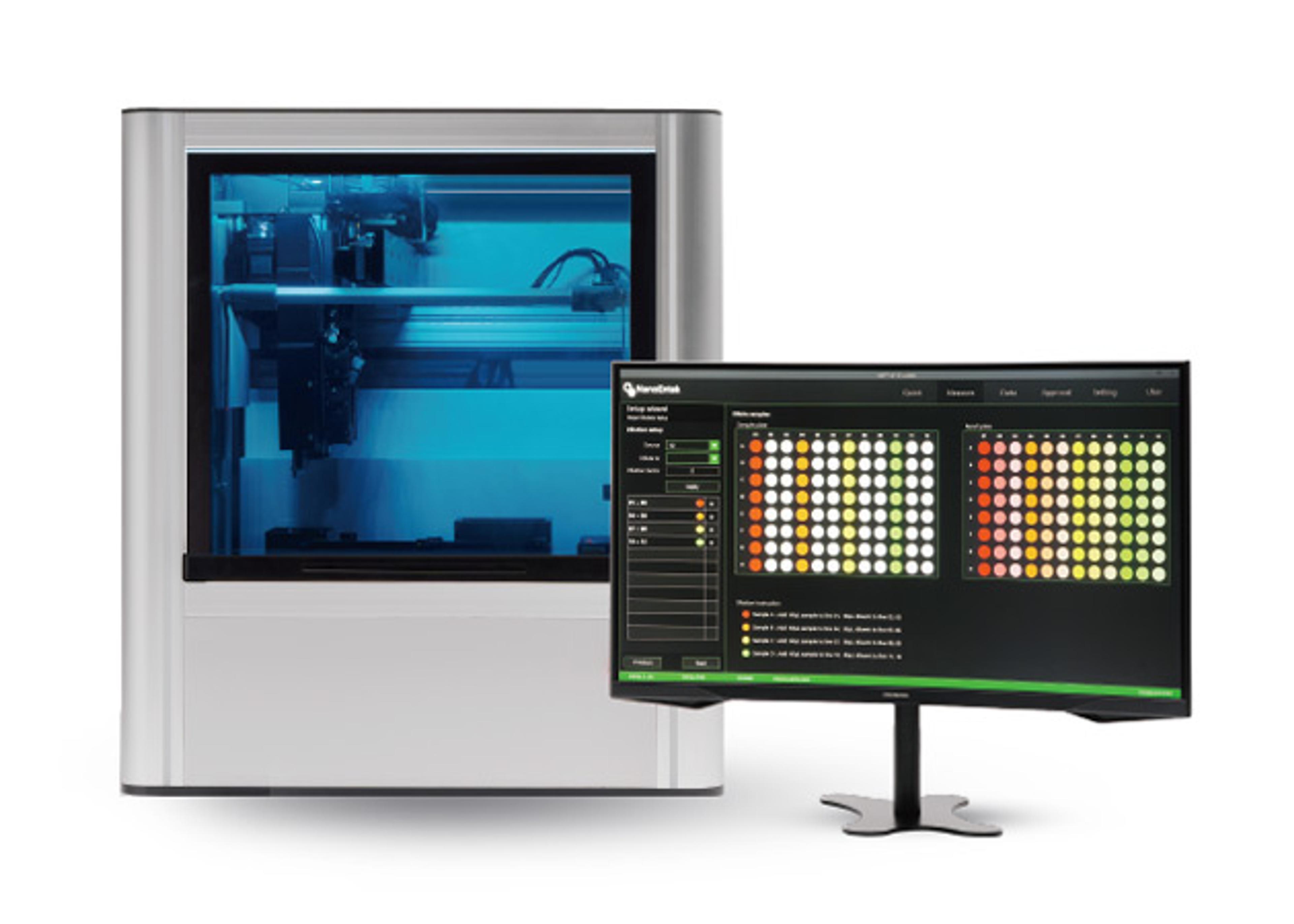
The Calypso™ interfaces with a Wyatt multi-angle light-scattering detector (DAWN™ or miniDAWN™) and a UV or RI concentration detector to analyze biomolecular interactions, without labeling or immobilization. The Calypso™ system determines affinity, absolute molecular stoichiometry of complexes, and the kinetics of self-assembly, aggregation or dissociation of macromolecular complexes, by means of composition-gradient multi-angle light scattering (CG-MALS).
The Calypso™ software for control, data acquisition and analysis offers a comprehensive suite of association models for studying self-association and hetero-association including high-order oligomerization, simultaneous self- and hetero-association, and multi-valent interactions. This unique technology nicely complements surface plasmon resonance (SPR), isothermal titration calorimetry (ITC), and other biophysical techniques for characterizing interactions; in addition, it is much faster and simpler than analytical ultracentrifugation.
Features:
- Range of Kd: sub-pM to mM, depending on molar mass of the analytes
- Sample requirement: depends on molar mass and Kd. A typical interaction analysis in the range of 1 – 100 nM for ~ 100 kDa proteins requires ~ 100 µg of each protein.
- Solvent compatibility: compatible with most aqueous solvents and alcohols
- Supports automated pre- and post-experiment cleaning cycles
- Software: CALYPSO CG-MALS software controls the Calypso composition gradient system, collects and analyzes MALS and concentration data, and performs fitting to a versatile and customizable range of association models to determine equilibrium dissociation constants Kd, absolute stoichiometry, cooperativity, self-and cross-virial coefficients and kinetics rates. Simulation capabilities help design CG-MALS methods. The software may also be used with manual, cuvette-based light-scattering measurements in a DAWN™ or DynaPro™ NanoStar™.

A biopharmaceutical workflow powered by Wyatt Technology
Reliable biophysical characterization is a cornerstone of biologics development, playing a critical role at every stage – from selecting promising drug candidates to optimizing formulations and ensuring consistent manufacturing processes. Explore a comprehensive guide on how to deliver biopharmaceutical solutions, beginning with light scattering technology.
Characterization of self-associating antibody solutions at high concentrations with CG-MALS
This application note describes the use of multi-angle light scattering (MALS) for characterizing the intermolecular interactions between three different high concentration antibody solutions using a Calypso II, a HELEOS II MALS detector, and Optilab T-rEX™ dRI detector. CG-MALS measurements, automated by Wyatt equipment, provided insight into the colloidal behaviors of the antibody solutions and the nature of the intermolecular forces that contribute to high viscosity.
Analysis of hetero-oligomers with CG-MALS
Biomolecular interactions are commonly studied using binding assays. Quantitative binding assays hopefully provide the investigator with a unique value for binding affinity. Affinity is a key energetic parameter required to model how molecules A and B interact. Molecules A and B may bind with different stoichiometries at different molar ratios of A and B. Adding to this complexity, A and B may also self-associate into homo-oligomers.
Explore a method that disentangles all these possibilities in a single experimental run using multi-angle light scattering. Composition-gradient multi-angle light scattering (CG-MALS) provides easily interpreted data for complicated macromolecular interactions. Discover how a simple protocol provides information-rich data with a completion time of a few hours.