Ziath introduces optimized packages for tracking COVID-19 patient samples

This aims to assist labs involved with the essential RT-PCR assay part of the “test, trace and isolate” strategy

9 Jun 2020

Diane Li
Assistant Editor

Product news

To assist labs involved with the essential RT-PCR assay part of the “test, trace and isolate” strategy for dealing with the SARS-CoV-2 virus pandemic, Ziath has introduced two optimized packages for reliable tracking of patient samples submitted for Coronavirus (COVID-19) testing.

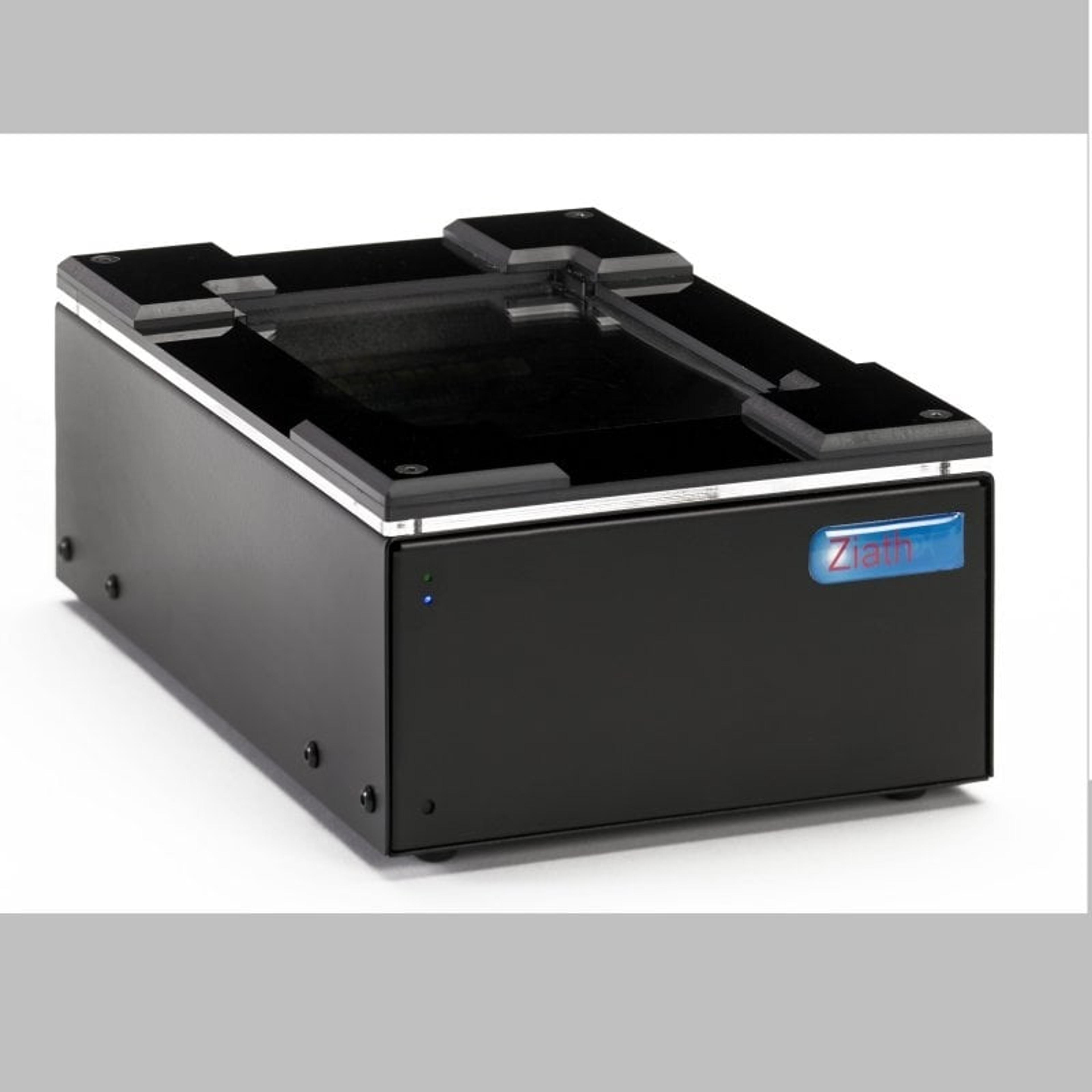
For large-scale, high-density Coronavirus (COVID-19) testing labs, Ziath has introduced an attractively priced package that brings their Mohawk tube selector, Mirage rack scanner and Samples Software together to provide a reliable, high throughput sample-tracking technology bundle. The liquid handling needed for clean-up and extraction of RNA from COVID-19 patient samples can be done on robots with 4, 8 or 96 well pick up and dispense heads; or multi-channel pipettes of 4 or 8 channels can be used in manual mode. To keep track of these tubes, Ziath offers its 96-position tube selector, the Mohawk, which can automatically pop up tubes from within the rack as they are required, greatly simplifying retrieval and ensuring accurate tube selection under software control. With the co-ordination of Ziath's Samples software, a Mirage rack scanner and Mohawk tube picker are designed to work seamlessly to provide verification of original tube position in a rack and the location of any picked tube in a daughter or destination rack, updating the database with both pieces of information in real time.

For labs specializing in testing larger Coronavirus (COVID-19) patient sample swabs, Ziath offers its 2D-coded Cryovial sample storage tubes. These are available in a large variety of volumes, up to 10ml capacity, and heights, which can accommodate almost any swab. These Cryovial sample tubes can then be stored, sorted and handled in Cryoboxes. In combination with the Samples software, labs can use a Ziath Cube 2D rack scanner to quickly and accurately update tube position information in each sample entry, with the scanner being controlled from within the database software. A competitively priced bundled package that includes a cryoprotected Cube tube scanner, Samples sample tracking software and two cases of Cryoracks plus sufficient Cryotubes to fill these is now available.

Want more of the latest science news straight to your inbox? Become a SelectScience member for free today>>

Samples Software Management

Ziath Ltd

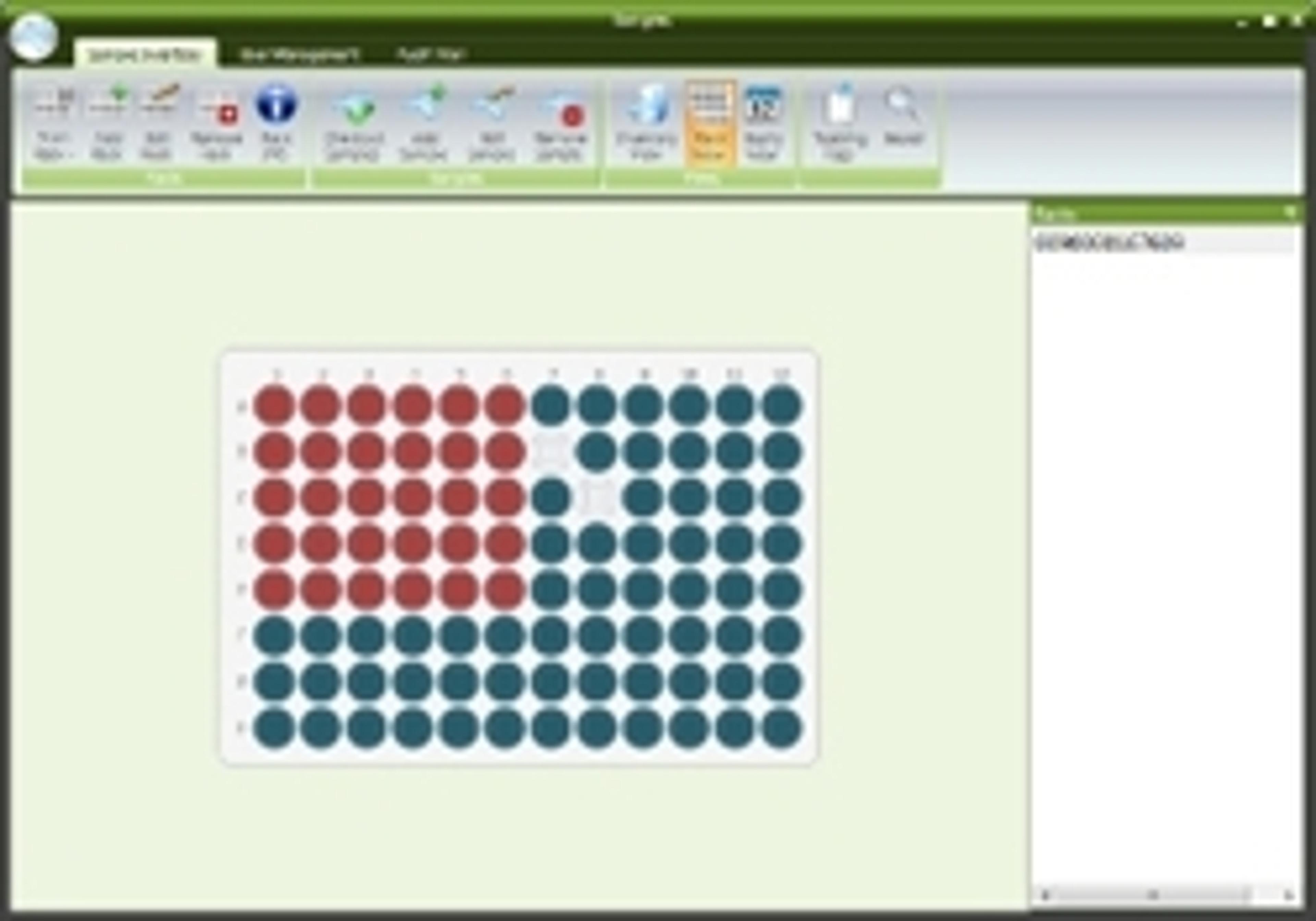
Samples is a software management tool to help keep your samples organised. Samples will streamline your workflow by providing an organised storage system to track and maintain your samples. All information you enter into Samples can be searched using the Samples search panel. Sample information can be imported or exported and shared with colleagues.Samples integrates with Ziath's DataPaq™ 2D datamatrix barcode scanners, allowing for high speed scanning of sample racks. The Samples application can directly control the scanner and import the result of the scan into Samples. Additional storage information can also be added to the import.Samples also imports the data read from a DataPaq™ Linear Barcode reader.

(0)

Links

Tags

Sample PreparationSample preparation can improve the quality and speed of separation techniques. Products to assist sample preparation include filtration equipment, evaporators, membranes and sieves.AntibodiesAntibodies are used in techniques such as confocal and fluorescence microscopy, flow cytometry, ELISA, ELISPOT, immunohistochemistry, western blotting and immunopreciptation. Select specific antigen reactivity, high specific affinity, low non-specific binding, monoclonal or polyclonal, primary or secondary antibodies and associated conjugates such as an enzyme or dye for visualization.Combinatorial ChemistryCombinatorial chemistry, also known as combichem, is a technique used in drug discovery to create libraries of structurally related compounds. A library is generated by synthesis with a chemical reactor system or by computer-based modeling of compound combinations. When undertaking combinatorial chemistry consider reagents, buffers, resins and standards.Data AnalysisData analysis hardware and software is available to make data processing straight-forward yet powerful. Data software can be used for math and stats, technical graphing and image analysis. In addition, software is available for specific data analysis of electrophoresis, densitometry, ELISA and DNA sequencing.Sample ManagementSample management systems include sample storage devices such as freezers and plate storers, sample environment enclosures and sample organization, retrieval and sorter systems. Useful system features include high-throughput, automation, robotic arms, automated liquid handling and associated database systems. Accessories in sample management include barcode scanners, heat sealers and tubes.Compound LibrariesCompound libraries, or chemical libraries, are used in drug discovery for the identification of potential therapeutics compounds. Used in conjunction with high-throughput screening, the libraries of stored compounds are often generated for specific purposes as a drug target or disease model. Cheminformatics are commonly used when designing a compound library and software can be used to analyze the screening process.  ImmunologyImmunological techniques measure and characterize immune responses. Immunology kits and analysis systems often use techniques such as ELISA, radioimmunoassay (RIA) and immunodiffusion assays, Immunohistochemistry, and flow cytometry. Immunologists use equipment such as flow Cytometers, plate readers, plate washers and fluorescent microscopes.Cellular PathologyCellular Pathology deals with the microscopic analysis of tissue samples and cells. Sample preparation and processing includes fixation, staining, sectioning and slide mounting, using equipment such microtomes and cryostats. In choosing immunohistochemistry and immunocytochemistry kits, consider chromogens, staining method, antibodies, microscopes and imaging.Biopharmaceutical AdvancesBiopharmaceutical advances follow the development of pharmaceuticals derived from biotechnology, also known as biotechnology medicines. Biopharmaceuticals may be produced from cell lines, plants, or microbial cells. Important considerations of biopharmaceutical use include application, cost, production process and purification.Clinical ChemistryBiochemistry (or clinical chemistry) involves the analysis of bodily fluids using chemical tests. Techniques used include HPLC, chromatography, spectroscopy, mass spectrometry, immunochemical, electrophoresis, turbidometric / spectrophotometric assay, MRI and ISE analysis. Tests are often carried out on plasma or serum but urine (urinalysis) and fecal specimens are also processed.Clinical GeneticsMolecular Genetics covers the analysis of hereditary genetic disease and chromosomal abnormalities. Genetics can be analysed using DNA, RNA, and protein microarrays, PCR, RT PCR and DNA sequencing. Genetic equipment includes genetic workstations, thermal cyclers, cooling blocks and electrophoresis products. Diagnostic kits are used for DNA / RNA extraction and purification.Clinical MicrobiologyMicrobiology is the study of microorganisms including protists, prokaryotes, fungi, and, often, viruses. Microorganisms are a useful research tool as genetic vectors and, in immunology, for antibiotic susceptibility testing, cellular biology and genetics. Microorganisms commonly grow readily in incubators with microbial culture media; this can contain chromogenic supplements to differentiate between cell lines. Estimate your culture’s density of microorganisms with colony counters, or screen and select colonies for desirable clones with automated colony pickers. Additionally, equipment is available to monitor environments for the presence of microbes and identify with microbial identification instruments. Find the best microbiology products in our peer-reviewed product directory: compare products, check customer reviews and receive pricing direct from manufacturers.Drug DeliveryDrug Delivery refers to dosage form, route of administration, formulations, technologies, and systems for transporting a pharmaceutical compound in the body as needed to safely achieve its desired therapeutic effect. Drug delivery is often approached via the biopharmaceutical or small molecule drug's formulation, but it may also involve medical devices or drug-device combination products. Considerations include instrumentation, software and services. RegulatoryPharmaceutical regulations impact on all areas of drug development, manufacture and control and supply. Services are provided from the early stages of drug development and clinical trials through to dossier submission, approval and marketing. Regulatory also includes submission of analytical studies from the pharmaceutical product and safety. Sample HandlingProper and careful handling of samples is important in scientific studies to ensure the integrity of specimens. This will prevent deterioration and cross contamination, and improve the accuracy of sample tracking procedures.