ZEISS Enters the Semiconductor Process Control Market
16 Jul 2017Product news
ZEISS is fueling its growth strategy by expanding into a new market in the semiconductor industry. Through its new Process Control Solutions (PCS) business unit, the company will leverage its core technology solutions and partnerships to address a range of special needs for semiconductor customers. The new business unit will be part of the ZEISS Semiconductor Manufacturing Technology (SMT) business group and draw on long standing innovations in Microscopy that ZEISS is well known for.
“We see a strong trend in semiconductors toward complex 3D chip structures and new materials,” explained Dr. Karl Lamprecht, head of SMT business group. “As development cycles lengthen and R&D costs climb, the role of metrology changes. Our customers need effective process control solutions delivering integrated, actionable information that speeds time to problem resolution and time to production. ZEISS has the technology and expertise to fulfil these requirements.”
With shrinking structure sizes, ever more sophisticated designs and hundreds of individual working steps, the semiconductor manufacturing workflow has become increasingly challenging. Fast and cost-effective process control solutions play a key role in ensuring the functioning of semiconductor devices. ZEISS is already a leading solutions provider in the semiconductor industry with its portfolio of lithography optics and mask metrology and repair solutions, and is now bringing its decades of semiconductor equipment experience into the market for semiconductor process control solutions.
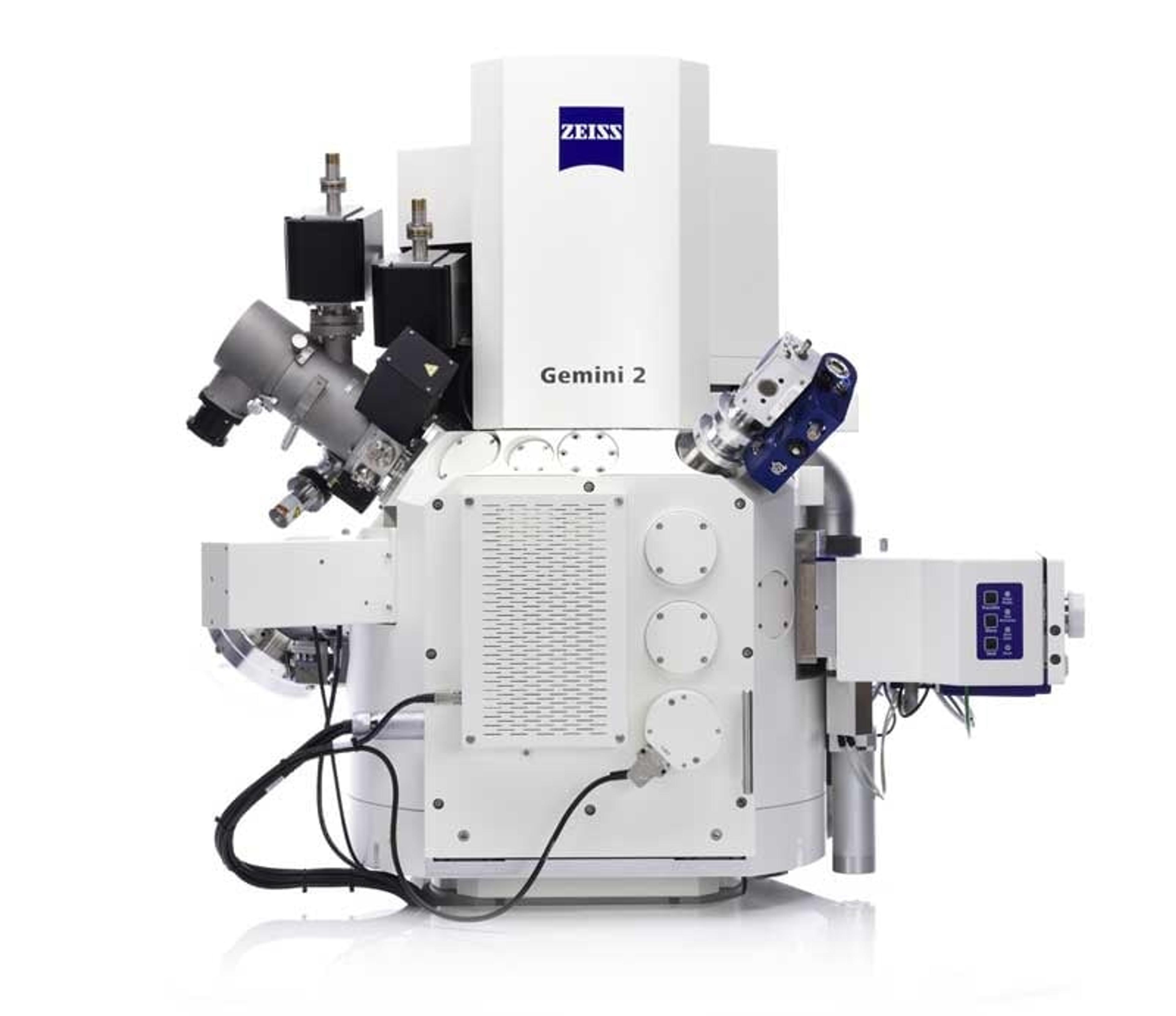
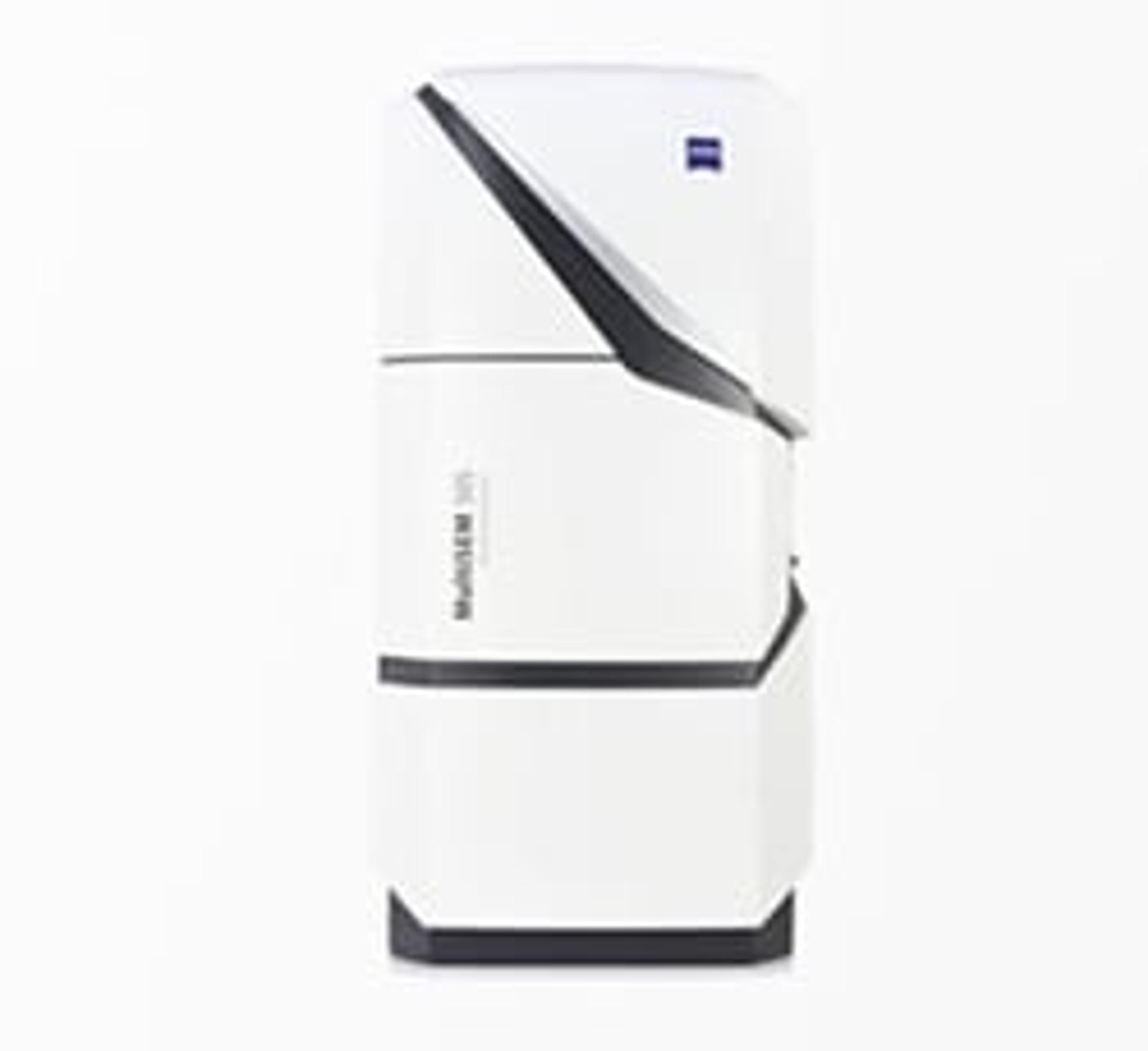
The PCS business unit will utilize and expand upon ZEISS’s existing portfolio of products, including its core proprietary microscopy technologies, to penetrate the semiconductor lab and fab space. Key products to be deployed include ZEISS’s electron microscope products; ZEISS Crossbeam and ZEISS MultiSEM (the latter of which incorporates the company’s unique multi-electron-beam technology), ion-beam microscope ZEISS ORION NanoFab, as well as the ZEISS Xradia Versa and ZEISS Xradia Ultra non-destructive 3D X-ray microscope systems. Process control solutions will be offered across the spectrum of semiconductor manufacturing process steps, including front end of line (FEOL), back end of line (BEOL), packaging and assembly.
“Our process control solutions offer comprehensive structural, chemical and electrical information. By creating a single window into ZEISS for our semiconductor customers, we will enable them to address their process control challenges with seamlessly integrated technologies, helping them get their products to market faster,” said Dr. Raj Jammy, Head of ZEISS PCS business unit, headquartered in Pleasanton, California.
Dr. Jammy, who has more than 20 years of extensive semiconductor industry experience, joined ZEISS in February 2016. After obtaining a Ph.D. in electrical engineering from Northwestern University, he started his career at IBM in New York and held subsequent leading positions at SEMATECH and Intermolecular. Dr. Jammy and his team will collaborate closely with global customers to address semiconductor inspection and review, failure analysis, defect detection, 3D tomography, and process characterization and analysis.
To aid in this effort, the new ZEISS Customer Centre Bay Area was opened in Pleasanton on June 15. Located near the heart of Silicon Valley, this facility joins ZEISS’s global network of customer centers in making the company’s portfolio of optical, ion, electron and X-ray microscopy offerings available for demonstrations, application development and training.
ZEISS showcased its latest microscopy products and solutions for semiconductor manufacturing at SEMICON West, held July 11-13 at the Moscone Convention Centre in San Francisco, California.
Find more information on ZEISS PCS business unit here.