Your February clinical lab technology roundup

Explore high-sensitivity troponin, antibiotic stewardship, mass spec, and more innovations and tools shaping the future of clinical labs

7 Feb 2025

Dora Wells
Clinical Content Editor

Editorial article

This monthly blog spotlights the latest technology news, exclusive interviews, resources, webinars, and more, to help you stay at the forefront of laboratory medicine. Discover breakthroughs, technologies, and expert insights driving advancements in clinical labs worldwide.

This month, we’re featuring a High-Sensitivity Troponin I assay from Siemens Healthineers that promises to improve cardiac risk prediction, a rapid antimicrobial susceptibility system that offers a lifeline to critically ill patients, and more—curated to enhance your diagnostic capabilities, efficiency, and patient outcomes. Browse our content below to explore what’s new in clinical and become a member to receive this monthly clinical newswire straight to your inbox.


High-Sensitivity Troponin I assay expands capabilities in cardiac care
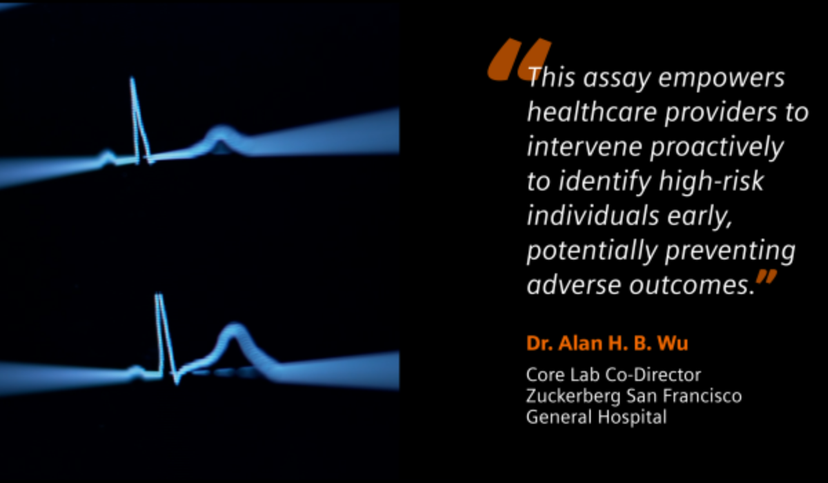
High-Sensitivity Troponin I assay expands capabilities in cardiac care

See how the Atellica IM High-Sensitivity Troponin I assay offers a cutting-edge approach to improve cardiac risk prediction in the U.S., and empowers clinicians and patients to manage longer-term heart health with unprecedented data-driven insights. For years, cardiac diagnostics have relied heavily on troponin assays to deliver rapid, accurate information about acute myocardial infarction (AMI). Now, Siemens Healthineers has set a new benchmark with its Atellica IM High-Sensitivity Troponin I (TnIH) assay.

Read article


The rapid AST technology transforming antimicrobial stewardship
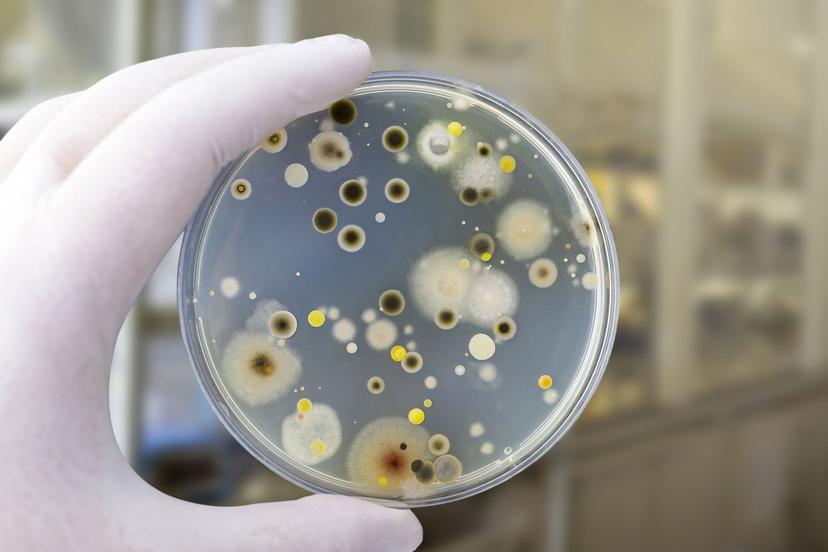
Laboratory leaders are turning to rapid AST to advance antimicrobial stewardship

With antimicrobial resistance on the rise, rapid AST offers a lifeline for critically ill patients and supports improved antibiotic stewardship. Explore the technology laboratory leaders are adopting as a solution.

Read article


Choose the right adhesion slide for your lab
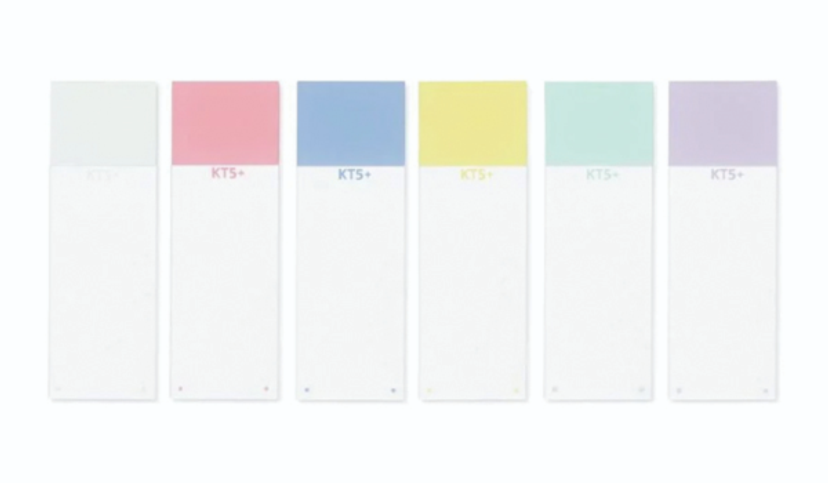
Choose the right adhesion slide for your lab

Not all adhesion slides are created equal. A study from Statlab reveals significant differences in tissue adhesion and background staining across brands. Find the best slide for your staining needs and optimize lab efficiency.

Download poster


Automated, integrated, and standardized clinical mass spectrometry
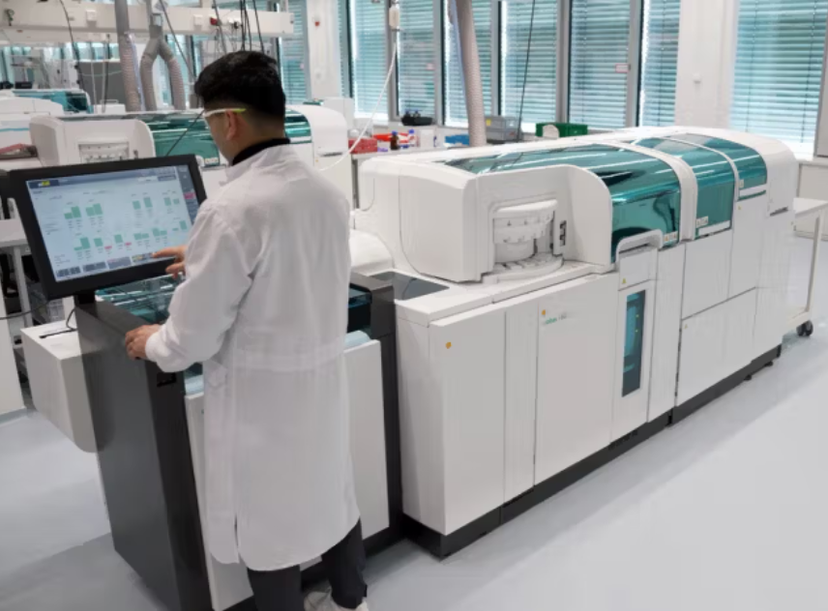
Revolutionizing diagnostics with automated, integrated, and standardized clinical mass spectrometry

Explore how automating mass spectrometry can overcome its operational complexity, making this powerful diagnostic tool more accessible and transformative for routine testing across various fields.

Read article


Experts discuss high-sensitivity immunoassays

Advancing Healthcare Forum: The Value of High-Sensitivity Immunoassay in Laboratory Medicine

The recent SelectScience® Advancing Healthcare Forum brought together industry leaders to examine the benefits, challenges, and regulatory landscape of implementing high-sensitivity immunoassay testing, using troponin as the working example.

Watch forum


Editor's picks

CLINICAL24 Sepsis Spotlight

Hear from experts and learn about the latest in sepsis diagnostics. Browse our latest interviews and videos, download case studies and infographics, and more.

Staffing shortages

Burnout and other factors are hitting clinical laboratories hard, what’s driving the shortfall of lab techs, and what can be done to reverse the trend?

Multiple sclerosis

Explore how the Neurofilament Light Chain (NfL) blood test is reshaping the landscape of multiple sclerosis (MS) prognostics.

Accessible automation

Discover how Siemens Healthineers is breaking down barriers and making automation more accessible, efficient, and beneficial for clinical labs of all sizes.

Industry events

EuroMedLab Brussels 2025

18 – 22 May 2025, Brussels, Belgium

MSACL 2025 Montreal

21 – 26 Sept 2025, Montreal, Canada

Want your monthly clinical update straight to your inbox? Become a SelectScience member for free today>>

Tags

Blood TransfusionBlood Transfusion involves giving donor blood to a recipient patient. Screening is essential to avoid transfusion reactions. Blood banks use immunohematological techniques to determine rh and ABO blood group, and screen for antibodies using specific antisera. Blood Banks use Direct Coombs Tests (DCT) and Indirect Coombs Tests (IAT) to detect hemolysis and Haemolytic Disease of the Newborn (HDN).Clinical GeneticsMolecular Genetics covers the analysis of hereditary genetic disease and chromosomal abnormalities. Genetics can be analysed using DNA, RNA, and protein microarrays, PCR, RT PCR and DNA sequencing. Genetic equipment includes genetic workstations, thermal cyclers, cooling blocks and electrophoresis products. Diagnostic kits are used for DNA / RNA extraction and purification.HematologyIn Haematology / Hematology, complete blood cell counts (or full blood counts) are obtained using automated blood count analyzers to enumerate blood cell types.  Hematology also encompasses haemostasis and coagulation, thrombophilia and hemophilia, plasma viscosity and ESR analysis, hemoglobinopathies, cell morphology and haematinic measurement.Cellular PathologyCellular Pathology deals with the microscopic analysis of tissue samples and cells. Sample preparation and processing includes fixation, staining, sectioning and slide mounting, using equipment such microtomes and cryostats. In choosing immunohistochemistry and immunocytochemistry kits, consider chromogens, staining method, antibodies, microscopes and imaging.Clinical MicrobiologyMicrobiology is the study of microorganisms including protists, prokaryotes, fungi, and, often, viruses. Microorganisms are a useful research tool as genetic vectors and, in immunology, for antibiotic susceptibility testing, cellular biology and genetics. Microorganisms commonly grow readily in incubators with microbial culture media; this can contain chromogenic supplements to differentiate between cell lines. Estimate your culture’s density of microorganisms with colony counters, or screen and select colonies for desirable clones with automated colony pickers. Additionally, equipment is available to monitor environments for the presence of microbes and identify with microbial identification instruments. Find the best microbiology products in our peer-reviewed product directory: compare products, check customer reviews and receive pricing direct from manufacturers.ImmunologyImmunological techniques measure and characterize immune responses. Immunology kits and analysis systems often use techniques such as ELISA, radioimmunoassay (RIA) and immunodiffusion assays, Immunohistochemistry, and flow cytometry. Immunologists use equipment such as flow Cytometers, plate readers, plate washers and fluorescent microscopes.Clinical ChemistryBiochemistry (or clinical chemistry) involves the analysis of bodily fluids using chemical tests. Techniques used include HPLC, chromatography, spectroscopy, mass spectrometry, immunochemical, electrophoresis, turbidometric / spectrophotometric assay, MRI and ISE analysis. Tests are often carried out on plasma or serum but urine (urinalysis) and fecal specimens are also processed.Clinical CommunityClinical Diagnostics