
White Paper: The evolution of immune cell killing assays using live-cell analysis
Download this white paper from Sartorius to discover how enhanced data analytics and translational models can provide new biological insights
25 May 2020
Industry news
In the ongoing battle to understand cancer and develop new therapeutic strategies, researchers are exploring the role of the patient’s own immune system in defending the body against tumors. A critical component of this anti-cancer response is the ability of certain immune cells, such as cytotoxic T and natural killer cells, to induce malignant cell death through the process of immune cell killing (ICK). Modeling ICK in vitro is therefore of paramount importance.
There are multiple techniques traditionally used to assess ICK, such as flow cytometry and biochemical readouts. While these are valuable tools, they derive measurements from single time point analyses and do not characterize dynamic cellular interactions, limiting the biological insights that can be gained. Therefore, to develop a more comprehensive understanding of ICK, researchers are seeking new assays that can provide complementary information to supplement current workflows.
Scientists have a particular need for methods that can capture, visualize and quantify the dynamic changes associated with ICK. Additionally, as increasingly translational models become more widely used, researchers require flexible ICK assays that can be applied to 3D tumor spheroids as well as adherent and non-adherent 2D co-cultures.
In this white paper, Sartorius illustrates how live-cell analysis has evolved to address the growing challenges of immuno-oncology research. It has also highlighted how the introduction of enhanced data analytics, coupled with the validation of this approach in more translational 3D culture models, has enabled live-cell analysis to become a flexible solution to meet the current and future requirements of this field.
Related products
Request Quote for All Products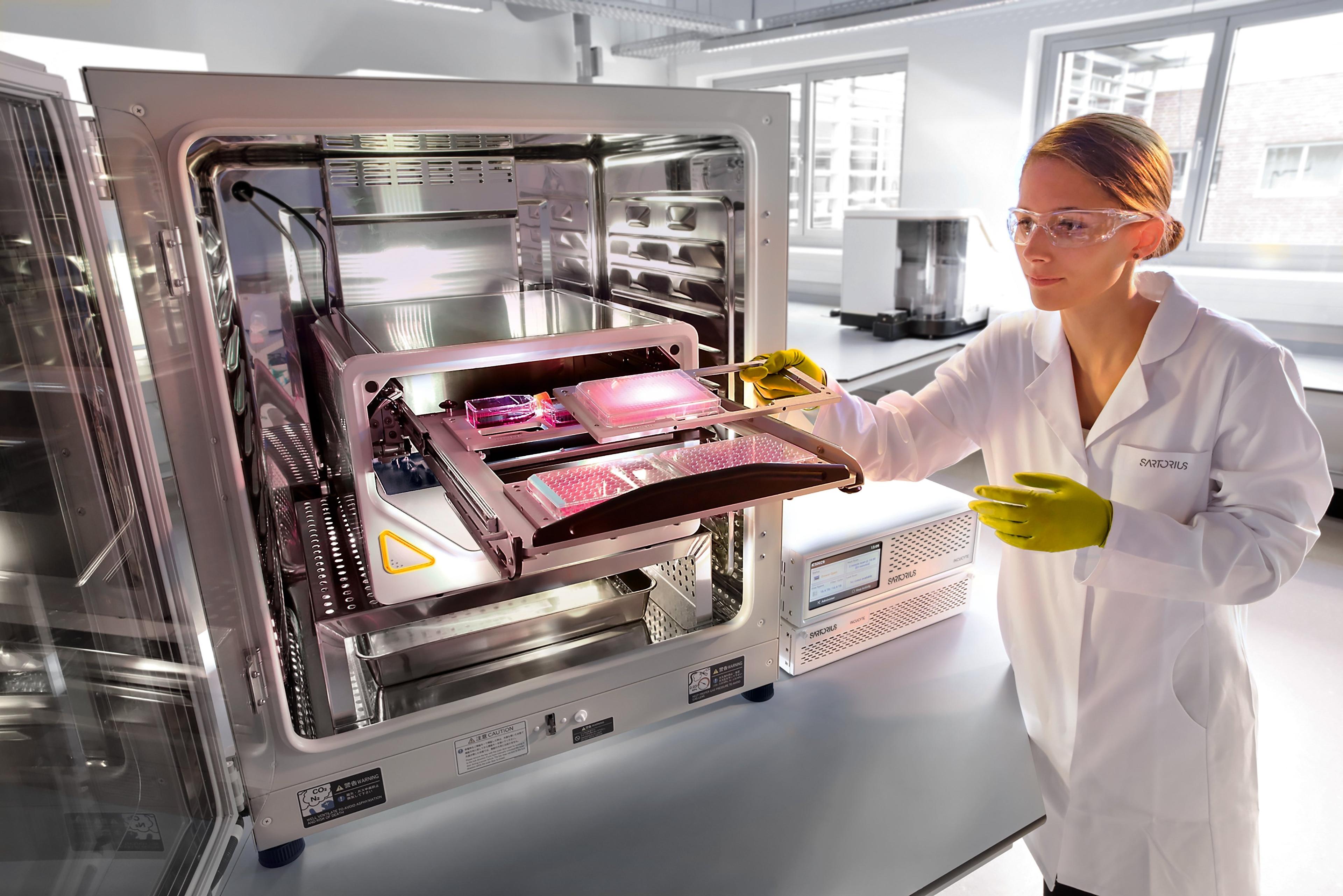
Incucyte® Live-Cell Analysis Systems
Sartorius GroupIncucyte ® , Empower Live-Cell Analysis Inside Your Incubator