Webinar Highlights, Part Two: Technology Accelerating Biopharma: Complete Workflow Solutions in Biopharmaceutical Discovery and Development

Read highlights from the second session in this exciting webinar series

17 Dec 2015

Lois Manton-O'Byrne, PhD
Executive Editor

Expert insights

Read highlights from the second session in this exciting webinar series

Protein biopharmaceuticals are being developed at an explosive rate and have attracted great interest from both smaller biotech firms and big pharma. But discovery and development of biopharmaceuticals is difficult. There are many challenges, and scientists must not only stay abreast of advances in knowledge and improvements in technology, but also navigate the maze of shifting government regulations. Making good decisions fast is critical.

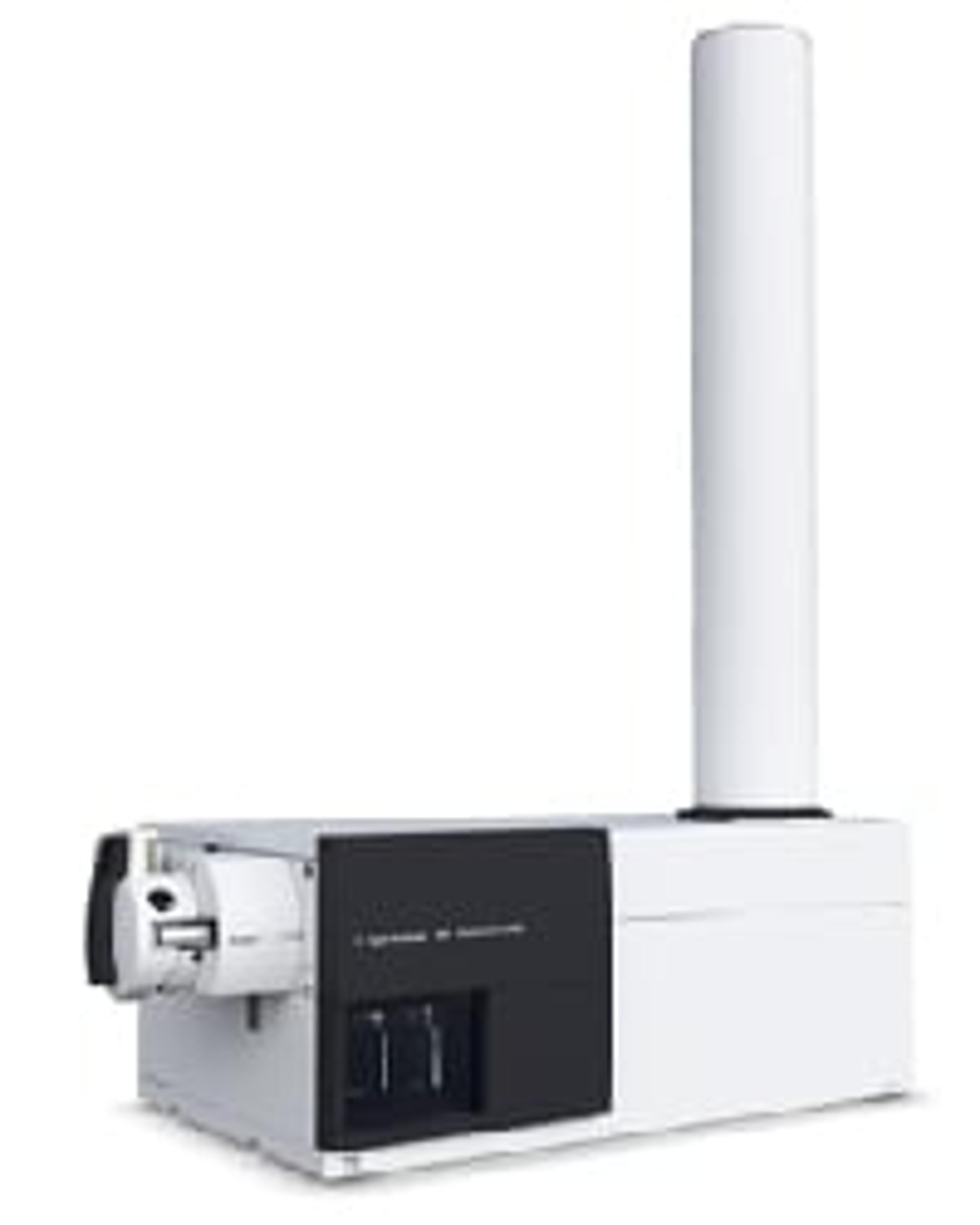
In this two-day webinar events series, industry experts from Agilent Technologies discussed sample preparation for biopharmaceutical analysis, enabling mass measurement from bioseparations and much more. In the second session, Dr David Wong presented “Native Protein Characterization Using the Agilent 6560 Ion Mobility Q-TOF” and Steve Madden gave a seminar on “Enhanced Software Tools for Biopharma Analysis”. Read on for the highlights of the Q&A session, and if you missed them, watch parts one, two, three and four on-demand.

Q: How much added resolution may be gained from adding ion mobility to differentiate between A, B and A/B form IgG2 antibodies?

A: Without ion mobility, it would be very difficult to differentiate between the IgG2 A and B isoforms. With ion mobility, you can quickly get that information, and, as you saw from the presentation, you can easily differentiate the A and B isoforms and also the CCS fingerprint (see question below). The ratio between isoforms A and B can also be estimated using ion mobility.

Q: What is the resolution of the Agilent 6560 Ion Mobility Q-TOF on the mass spec side?

A: The ion mobility QTOF system is built upon Agilent’s highly sensitive high resolution 6550 QTOF, so on the mass spec side, the mass resolution remains unchanged at around 40,000.

Q: Is it possible to perform CCS fingerprinting with the Agilent 6540 Q-TOF system?

A: The collision cross section (CCS) is a physical property of all molecules and is a measurement of the size of the molecule. It depends on the tube gas, which is usually nitrogen, but otherwise is an unchanged parameter. It is a useful variable to compare the sizes of molecules, and to see if the molecule has a different isoform. At the moment, it isn’t possible to perform CCS fingerprinting using this Agilent instrument, as the ion mobility is built upon a later model and cannot be removed to work as a standalone system.

Q: Is it possible to find the location of post-translational modifications with MS-only data?

A: MS-only data only provides confirmation of the molecular weight of the peptides. To precisely locate the modification side of the post-translational modification, you will need to use an instrument that can perform MS/MS analysis of the peptides.

Q: Is it possible to edit my sequences before using them with MassHunter BioConfirm?

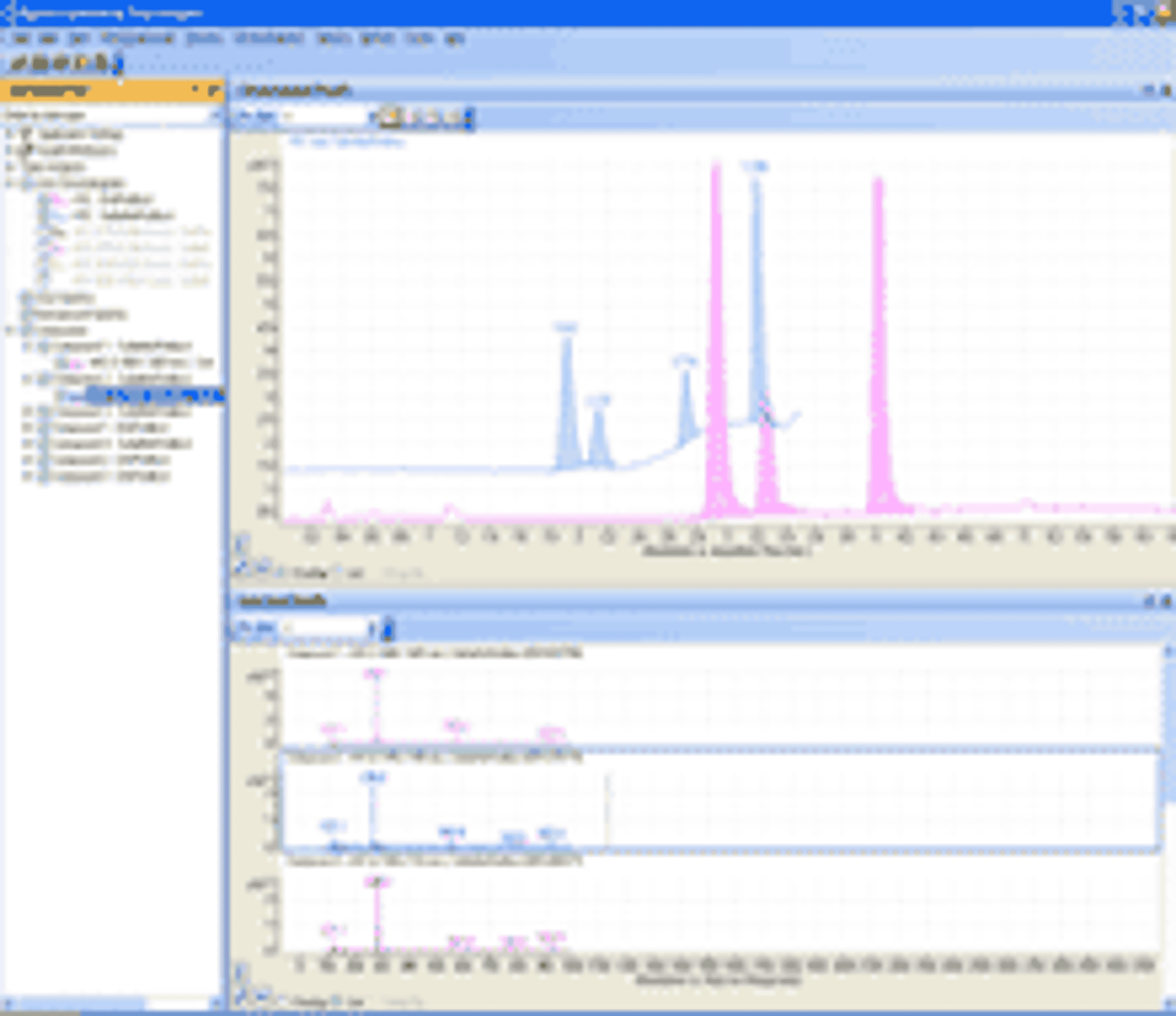
A: Yes, Agilent offers a standalone sequence editor that goes out with MassHunter Qualitative Analysis which allows your sequences to be edited before inputting them into BioConfirm.

If you missed any session during our two-day webinar event, you can watch all presentations on-demand. You can also read the Q&A highlights from the first presentation in the webinar series here. Visit our Biopharmaceuticals Special Feature for the latest news, products and reviews for biopharma research.
Links

Tags

Mass SpectrometryMass spectrometry (MS) is a powerful analytical technique used to identify and quantify molecules based on the mass-to-charge ratio of gas-phase ions. It provides detailed information about the structure, composition, and properties of compounds and is widely used across fields such as environmental monitoring, materials science, drug discovery and development, food and beverage testing, and wider chemical research. Key MS techniques include tandem mass spectrometry (MS/MS), liquid chromatography–mass spectrometry (LS-MS) and inductively coupled plasma (ICP-MS). Choosing from these wide range of techniques and technologies can be a daunting task, so keep up to date with scientific applications, performance expectations, and customer reviews here all in one place. Visit our product directory to receive quotes direct from the manufacturer. AntibodiesAntibodies are used in techniques such as confocal and fluorescence microscopy, flow cytometry, ELISA, ELISPOT, immunohistochemistry, western blotting and immunopreciptation. Select specific antigen reactivity, high specific affinity, low non-specific binding, monoclonal or polyclonal, primary or secondary antibodies and associated conjugates such as an enzyme or dye for visualization.Data AnalysisData analysis hardware and software is available to make data processing straight-forward yet powerful. Data software can be used for math and stats, technical graphing and image analysis. In addition, software is available for specific data analysis of electrophoresis, densitometry, ELISA and DNA sequencing.Protein PurificationProtein purification is a vital step in drug discovery, therapeutics, biotech and life science research. The purification process typically involves subcellular or membrane protein extraction with cell lysis kits, separation of proteins from cell debris by filtration or spin columns, and the isolation of proteins of interest from other proteins and impurities with affinity purification (including fusion protein tags and antibody binding proteins A, G and L), immunoprecipitation or chromatographic methods, such as ion exchange, size exclusion and immobilized metal affinity chromatography. All purification methods come in multiple formats for your laboratory needs, including agarose or magnetic beads, resins, columns and filter plates. Find the best protein purification equipment in our peer-reviewed product directory: compare products, check customer reviews and receive pricing direct from manufacturers.Development SoftwareComputational techniques used in both the chemistry and biology aspects of drug development, for data acquisition, data analysis, processing and storage. Software is used for analysis of ADME results, toxicology, clinical trials and regulatory processes. Antibody PurificationMolecular Weight AnalysisMolecular weight analysis determines the size and structure of biomolecules, essential in protein characterization, polymer studies, and drug development. Techniques like mass spectrometry ensure precise results. Compare solutions for molecular weight analysis in our peer-reviewed product directory.BiopharmaceuticalsBiopharmaceuticals are proteins and other compounds (such as nucleic acids) produced by living organisms that have uses as therapeutics or for in vivo diagnostics. The most well known example of a biopharmaceutical product, and the first to be approved for therapeutic use, was recombinant human insulin.PeptidesPeptides are short chains of amino acids that play key roles in biological processes, including signaling, immune responses, and enzyme regulation. Peptide research is critical in drug discovery, diagnostics, and vaccine development. Browse our peer-reviewed product directory to find the best peptides and peptide-related products, compare options, check reviews, and get pricing directly from manufacturers.Post-Translational Modifications