
Webinar Highlights: Faster Aggregation Method Development with Cutting Edge LC Technology
Discover tips and tricks to optimize quantification of aggregates in biotherapeutic samples
5 Jan 2017
Expert insights
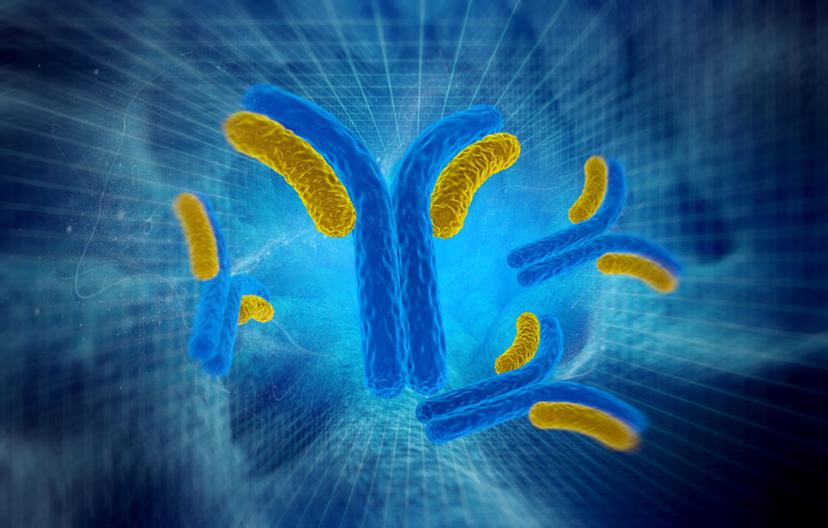
Optimize aggregation analysis of monoclonal antibodies
Protein therapeutics have a complexity far exceeding that of small molecule drugs, therefore, unraveling this complexity represents an analytical challenge. Size exclusion chromatography (SEC) is the method of choice for the quantification of aggregates in biotherapeutic samples. In this webinar, Tim Rice, Global Outbound Product Manager, Bio-Columns, and Patrick Cronan, LC Applications Scientist, Agilent Technologies, will discuss how to quickly choose and optimize mobile phase composition for the aggregation analysis of monoclonal antibodies while increasing your throughput and reducing costs using Agilent AdvanceBio SEC columns.
Read on for highlights from the Q&A session of the webinar, and if you missed it, watch the webinar on-demand.
Q: Antibodies and larger proteins are quite sticky so how can we avoid contamination in the system from needle to detection? Can you recommend proper wash solvents?
A: A Bio-inert LC System will help with that. Once you inject the system it’s not really washing it’s more of your method to get that through. So, if you can have some due diligence up-front to passivate the system, or use a Bio-inert system, you’ll see less of that contamination. However, if you are using a Bio-inert system and you see some carry over, for example maybe you run a blank at the end and you see some proteins elute, then there might be something sticking to the end of your needle. We have wash solvents and flush ports in the auto samplers that will facilitate the removal of anything that sticks to the needle between injections. I tend to stick to more of a water-based needle-wash, but you can also put some IPA or stronger organics in there to pull the contaminant out. It all depends on what your protein and the molecule that you are analyzing will dissolve in. The whole goal is to dissolve that off the surface and drain it out to waste.
Q: What filter pore size is needed to filtrate the buffer?
A: Usually a 0.45 µm filter is sufficient. If you are working with really small particulates, a column of 0.2 µm would also be useable.
Q: How can I obtain the Agilent Buffer Advisor software?
A: It is included with the Agilent Bio-inert system. You can also talk to any of your Agilent representatives to obtain a copy.
Q: Can the Buffer Advisor software be used with other systems besides the Agilent 1260 Infinity Bio-inert LC Systems?
A: Yes, it can. It is a standalone software that will just sit on your desktop. You only need one copy of it – if you have a network share or a jump drive you can move these to any system in your lab. The other nice thing is that any quaternary pump that Agilent made or makes will have the option to use the buffer advisor system. You make the XML file and then you browse that into your LC method. It works with the 1260 Quaternary Pump, the 1290 Quaternary Pump and it also works with 1100 and 1200 Quaternary Pumps that you may have legacy in your lab, as long as you update the firmware to the newest version.
Q: What types of additives can be used with SEC for difficult samples?
A: A lot of times if you are getting non-specific interactions with the standard recommended buffer systems, the first thing you should usually try is to add additional salt to increase the ionic strength i.e. sodium chloride or sodium sulfate. If you are having a solubility issue with your sample or the salt doesn’t work, you can try low amounts of organic solvent like methanol or acetonitrile. Acetonitrile is used for a lot of peptides separation to get good peak shapes. The AdvanceBio SEC columns are compatible with up to 100% aqueous soluble organics. Another common additive for protein separation is to have arginine in the mobile phase, which helps to stabilize the proteins and caps some of those charged sites to reduce non-specific interactions.
Q: Can you save custom-made buffer compositions in the Buffer Advisor program?
A: Yes. You export the timetable and save it in a folder that you can browse in any instrument that you want. This allows you to start building libraries of different buffer concentrations so you don’t have to go back to Buffer Advisor every time you want to change your method.
Watch the full webinar on demand here, or discover more exclusive webinars here.
Do you use any of the products mentioned in this article? Is there a product you couldn’t live without? Write a review today for your chance to win an Amazon voucher worth $400 or an iPad Air®.
Related products
Request Quote for All Products
AdvanceBio Oligonucleotide Columns
Agilent TechnologiesTo successfully separate trityl-off, deprotected oligonucleotides, you need columns that have high resolving power and are robust enough to withstand challenging conditions.
AdvanceBio Glycan Mapping
Agilent TechnologiesAgilent AdvanceBio Glycan Mapping Columns are designed and manufactured to deliver FAST, high resolution, reproducible glycan identification using HILIC chromatography.
AdvanceBio Peptide Mapping
Agilent TechnologiesAgilent AdvanceBio Peptide Mapping columns are designed to provide high-resolution peptide maps for protein identification and determination of post translation modifications. These columns provide the ability for you to quickly resolve and identify amino acid substitutions/modifications in a protein primary sequence.