
Waters Opens a Window onto Mass Spectrometry With New Primer
29 Jun 2009Product news
Waters Corporation has published a new 65-page primer on mass spectrometry for practitioners and non-practitioners seeking to hone their understanding of the newest sample introduction, ionization, ion separation and detection techniques for quadrupole, hybrid, and ion trap mass spectrometers. The primer includes special sections on UltraPerformance LC (UPLC) as an inlet to the mass spectrometer, ion mobility and recent innovations such as desorption electrospray ionization (DESI), direct analysis in real time (DART), atmospheric GC and atmospheric solids analysis probe (ASAP) technology.
Mass spectrometry is a vital tool for the scientific laboratory and involved in countless investigations as varied as solving crimes, outing athletes taking performance enhancing drugs, finding biomarkers of disease, determining the diets of lost civilizations and settling the debate as to whether modern-day chickens are descendants of Tyrannosaurus Rex.
The primer was authored by noted columnist Michael Balogh, the long-time author of the column titled MS - The Practical Art that appears regularly in LC-GC magazine.
Single copies of the primer (Part No. 715001940) cost $49.50 and can be purchased by clicking on the company article page link.
Related products
Request Quote for All Products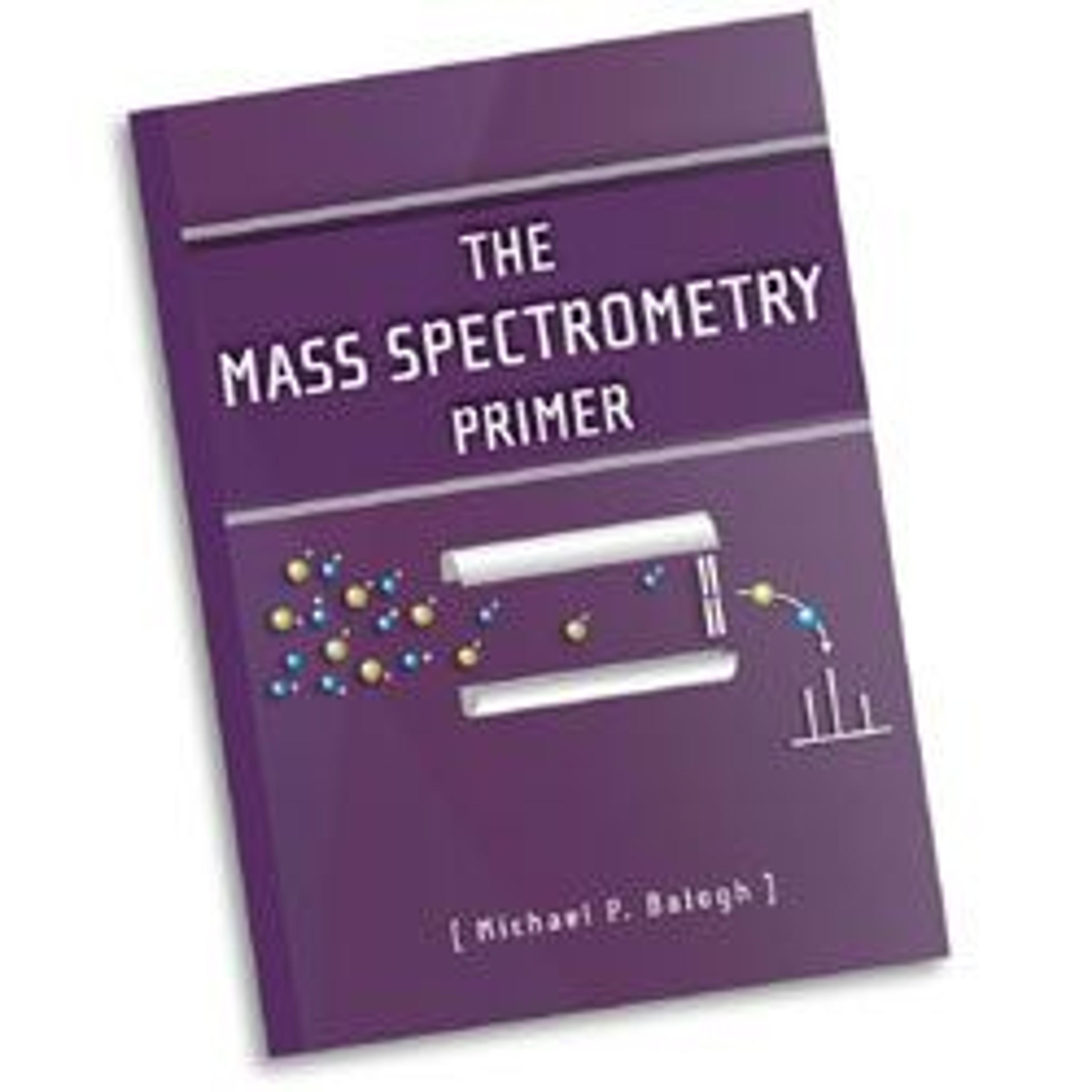
The Mass Spectrometry Primer
WatersThe Mass Spectrometry Primer, an 82-page paperback book, covers a wide range of topics related to the most wide spread of modern mass spectrometry practices and answers some frequently asked questions about the use and capabilities of mass spectrometers. Links are also provided to articles for more in-depth reading. The first section examines who uses mass spectrometers, followed by how compounds are ionized in the source to be analyzed by mass spectrometers. A description of the various types of mass spectrometers is followed by a discussion of the important topics of mass accuracy and resolution — or how well we can tell differences between closely related compounds. Chemistry, sample prep, and data handling are considered, as well as the definition of some terms commonly used in the most prevalent forms of MS practice today.