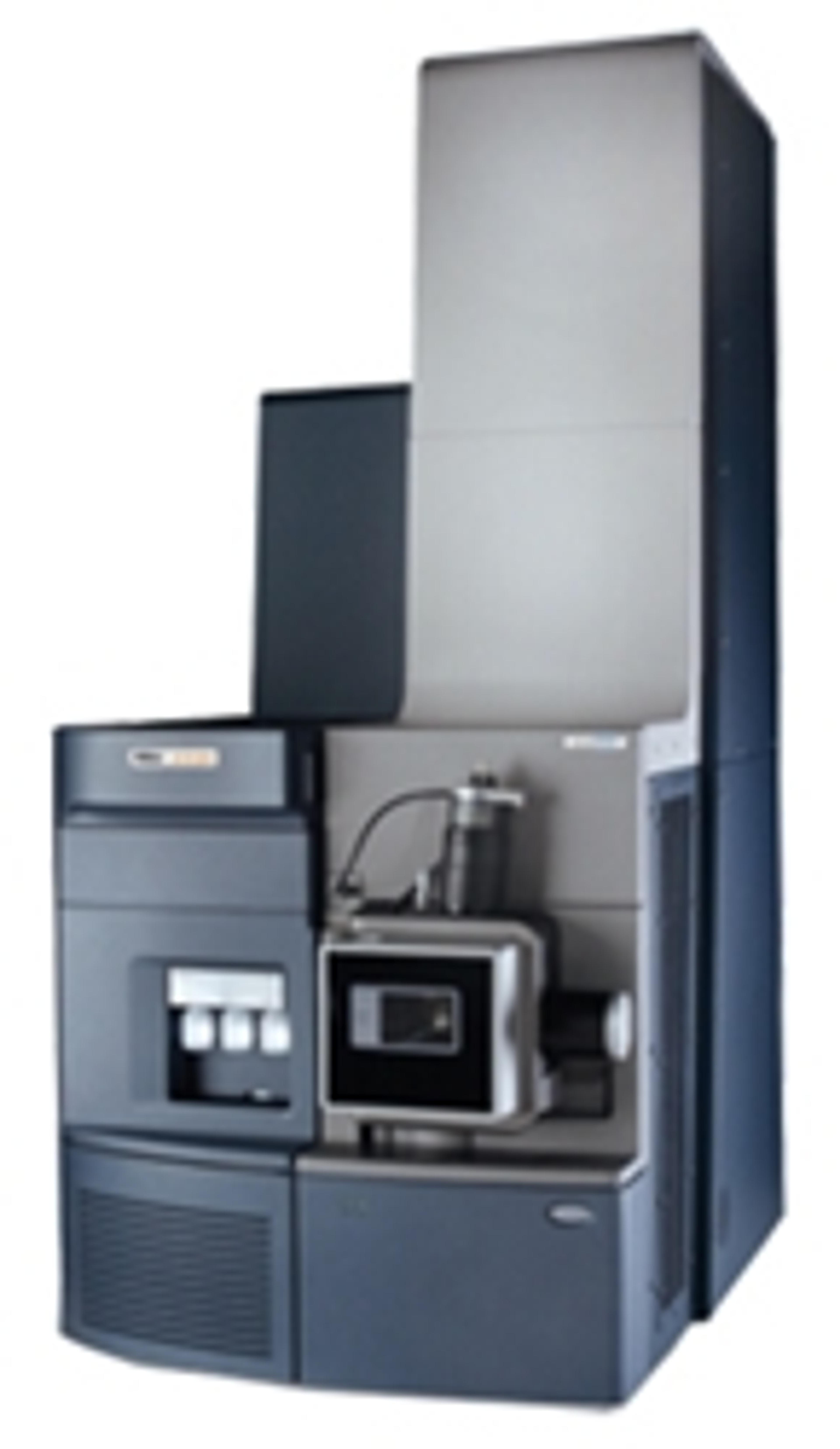
Waters extends the capability and power of its high-resolution mass spectrometers
Enhancements for the Waters Xevo G2-XS QTof, SYNAPT XS and SELECT SERIES Cyclic IMS instruments accelerate biomedical and pharmaceutical research
22 Jun 2020
Product news
Waters Corporation have announced a new fragmentation technique and an imaging option for its high-resolution mass spectrometers giving research scientists working across a broad range of end markets including biomedical, biopharmaceutical and food research, greater experimental freedom to explore the intricacies of peptides, proteins, and protein complexes.
“This is a time for science to step up and show what it can do for humanity,” said James Langridge, PhD, Senior Director, Advanced Mass Spectrometry, Waters Corporation. “Understanding the biology of disease and discovering new treatments requires us to continue innovating new and powerful capabilities for mass spectrometry so that scientists can accurately and confidently answer their scientific questions.”
New fragmentation option for Waters Cyclic IMS System
For its high-performance SELECT SERIES™ Cyclic™ IMS System, Waters will offer scientists the ability to probe the structure of proteins, peptides, glycans and other biomolecules with Electron Capture Dissociation (ECD), a fragmentation technique made available through a partnership with e-MSion, Inc. (Portland, Oregon).
ECD is an electron-based fragmentation technology that, combined with ion mobility mass spectrometry and Collision Induced Dissociation (CID) available with the Cyclic IMS System, gives scientists improved sequence coverage for native proteins and surrogate peptides and additional structural information about larger proteins that might not have been possible before.
The versatile Waters™ Cyclic IMS System is the only ion mobility time-of-flight mass spectrometer to perform scalable ion mobility separations and that is also capable of IMSn experiments (e.g. selecting an ion by IMS, fragmenting the ion, selecting a particular fragment by IMS and repeating the process) which derives detailed structural information about a single analyte.
“I am very impressed by the performance of the Waters Cyclic IMS system for resolving isomeric post-translationally modified peptides and their subsequent structural analysis by ECD MS/MS,” said Prof. Ole Nørregaard Jensen, Director, VILLUM Center for Bioanalytical Sciences of the Department of Biochemistry and Molecular Biology at the University of Southern Denmark. “The combination of cIMS and ECD MS/MS provides new opportunities for detailed structural characterization of modified peptides and large protein domains in biology, biomedicine and pharmacology.”
DESI XS imaging now available on Waters SELECT SERIES Cyclic IMS, SYNAPT XS and Xevo G2-XS Time-of-Flight mass spectrometers
For the first time, the new Desorption Electrospray Ionization DESI XS source is available on the Waters SELECT SERIES Cyclic IMS, SYNAPT™ XS, and Xevo™ G2-XS QTof mass spectrometers. Waters acquired the rights to DESI™ IP from Prosolia, Inc. and the Purdue Research Foundation in 2018, making Waters the exclusive provider of this technology. The new Waters DESI XS source retains the performance of the original version and features enhanced reliability and user experience, making high quality MS imaging accessible to a broader range of scientists.
When coupled to a mass spectrometer, DESI XS produces a visual map of the spatial distribution of small molecule drugs, metabolites and lipids within a variety of sample and surface types. With DESI XS, scientists can image tissue samples, screen metabolites in bacterial colonies, identify individuals from fingerprints taken directly from various surfaces and examine cross-sections of natural products like roots and tubers.
As a direct ionization source, DESI XS eliminates the need for sample preparation and chromatography prior to the introduction of the sample into the mass spectrometer, saving scientists time, lab space and expense.
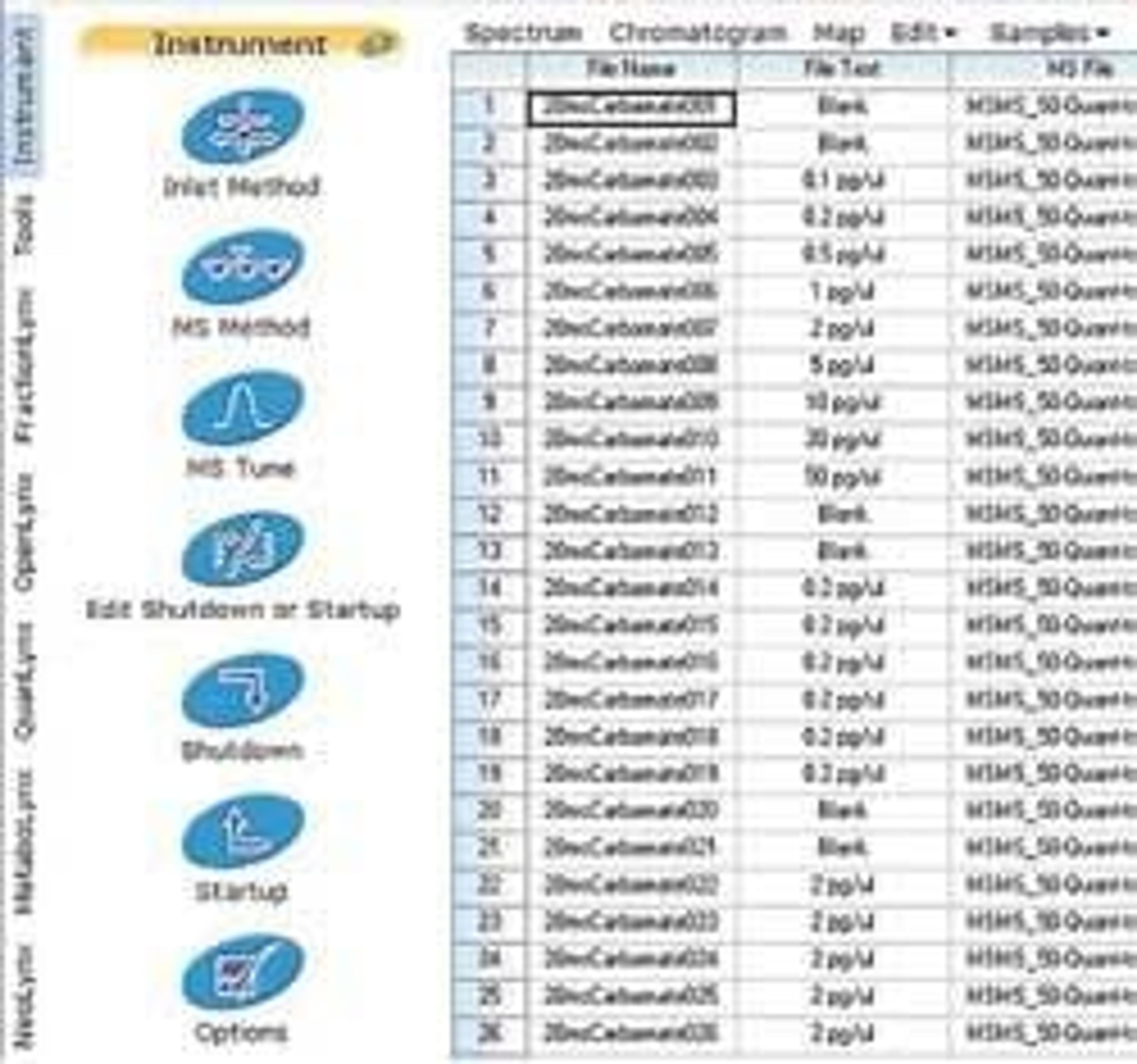
MassLynx Mass Spectrometry Software now interfaces with Skyline Software
For customers with Waters Xevo TQ-S micro and Xevo TQ-XS mass spectrometers running on MassLynx™ Software version 4.2, Waters is introducing a new interface to Skyline software, the freely-available, open source software for targeted proteomics. The interface will enable scientists to develop optimized LC-MS/MS multiple reaction monitoring (MRM) methods for the quantification of peptides or protein digests by the surrogate peptide approach. The MassLynx/Skyline interface is an easy-to-use tool for auto-optimizing and fine-tuning high-sensitivity MRM assays on tandem quadrupole mass spectrometers for bioanalytical or targeted proteomics experiments that are part of drug discovery research.
Product availability
The ECD and DESI XS options for the SELECT SERIES Cyclic IMS System will ship in the fourth quarter of this year. Existing Waters Cyclic IMS customers will also be able to add these new options to their instruments at the same time. DESI XS is now available to ship with new Xevo G2-XS QTof and SYNAPT XS Systems. It is also available as an upgrade option for previously installed Xevo G2-XS QTof and SYNAPT XS systems.
The Waters MassLynx/Skyline interface is available now and can be downloaded for free from the Waters Marketplace.
Do you use Waters products in your lab? Write a review today for your chance to win a $400 Amazon Gift Card