
Water Filtration System from Aries FilterWorks Receives TOC Monitor Upgrade
12 Mar 2019Product news
Aries FilterWorks, the filtration solutions division of ion exchange media manufacturer ResinTech, announced today that it has now made total organic carbon monitoring an option on its flagship “Phoenix” ultrapure lab water system.
“As a division of ResinTech, lab managers recognize our expertise in water purification is second to none. They can understand how we can take premium quality media from our parent company and package it affordably into our consumables,” said Jon Bergman, Aries’ Manager of Lab Sales. “The new TOC option we have added to our Phoenix Type I water system means that our equipment is also second to none.”
TOC monitors provide the ability to monitor the concentration of Total Organic Carbon (TOC) and ensure that lab scientists maintain optimal water quality for their application. Aries believes this new functionality positions the Phoenix to compete with more well-known water systems.
“We have licensed the most advanced TOC monitoring technology available from the world’s leading manufacturer of TOC analyzers,” Aries’ President, Frank Firicano, continued. “This additional level of precision, along with low cost of ownership and domestically-made products, makes the Phoenix a smart choice for laboratories, manufacturers and plants performing the most critical applications.”
The Phoenix Type I water system is available in four models designed to support applications ranging from basic chemistry to DNA Isolation and Electrophoresis. The new TOC monitor is available on the Phoenix Citation and Phoenix Genome models.
Related products
Request Quote for All Products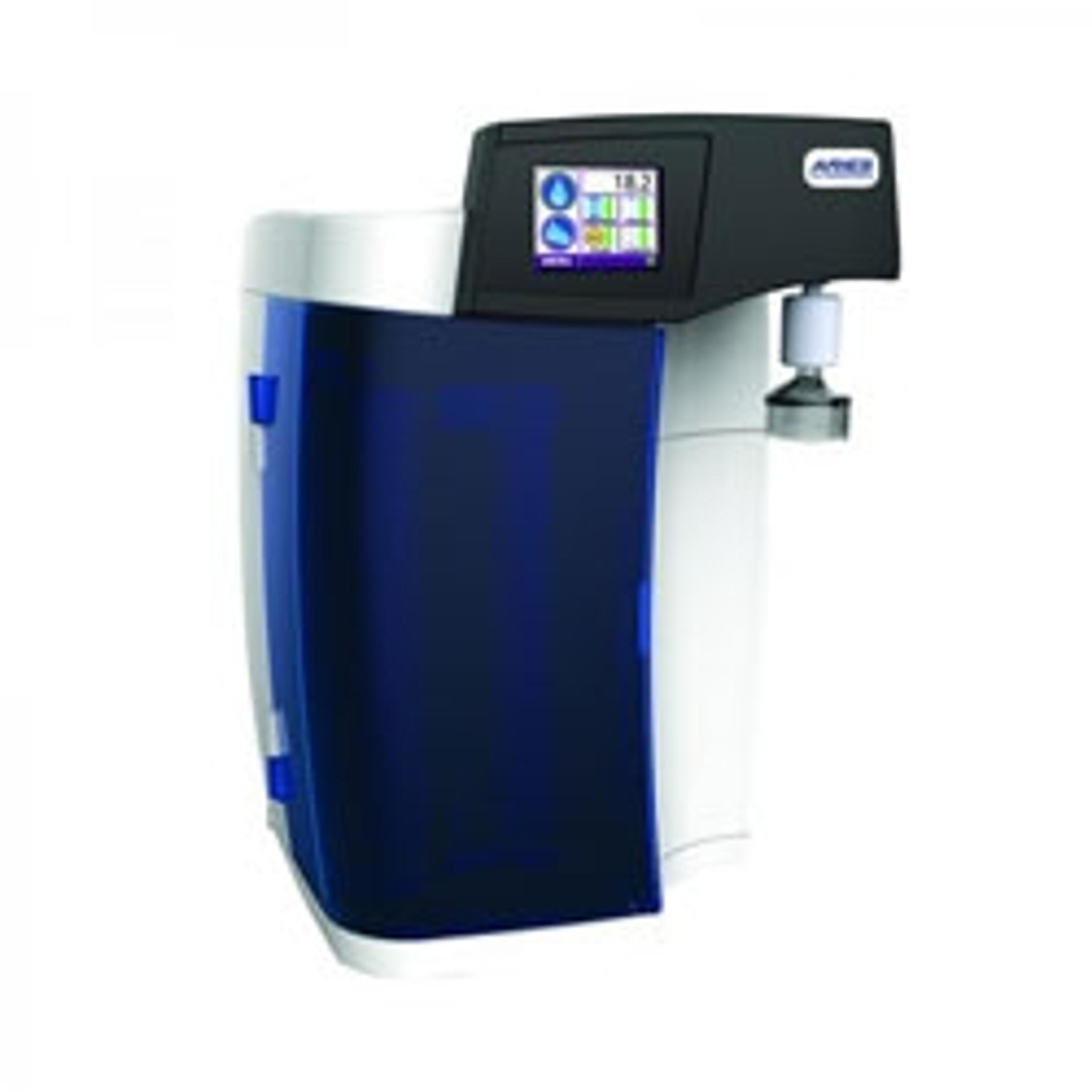
Phoenix System
Aries FilterworksThe Phoenix Ultra High-Purity Lab Water System from Aries FilterWorks delivers Type I, 18.2 Megohm water quality on demand. The water is purified using a staged purification process which includes high-purity ion exchange resins to remove dissolved minerals and internal recirculation to maintain purity. As the water exits the system, a final filter removes particulates and bacteria to reach Type I water specifications. Additional technologies are offered depending on the application, including UV and Ultrafiltration. Multiple sensors continuously monitor the system and final water quality to ensure trouble free operation. The Phoenix system is pre-configured into four application specific models: • Phoenix Academy (base model): Basic Chemistry, Academic, IC, Buffers • Phoenix Citation (with 185/254 nm UV): HPLC, GC-MS, Trace Organics • Phoenix Biochem (with UF): Life Science, Cell Culture, Microbiology • Phoenix Genome (with UV/UF): DNA Sequencing, PCR, Electrophoresis