
Virtual Clinical Science Summit 2021: Full meeting agenda
Watch world-leading clinical scientists and healthcare professionals online, June 22-23, to discover the latest tools and techniques advancing COVID-19 diagnostic testing, cardiovascular treatments, point-of-care and more
3 Jun 2021
Editorial article


The full exciting schedule has been announced for the SelectScience® Virtual Clinical Science Summit 2021, launching on June 22, 2021.
Delivering an exciting program split over clinical diagnostics and clinical research, this free-to-attend online summit offers an interactive forum for scientists, healthcare professionals and manufacturers to continue to connect, share knowledge and provide technology solutions at this critical time. It follows the success of the recent SelectScience® Virtual Cancer and Immunology Research Summit.
The Summit will host talks by world-leading clinical scientists, live Q&As, video interviews, virtual resource hubs, networking sessions, 1-on-1 chat facilities, and much more. We'll also be announcing the winners of the 2021 Clinical Scientists' Choice Awards®, as voted for by scientists and healthcare professionals worldwide. Vote now to have your say>>
Register now to reserve your free place and read on to learn more about:
Keynote Speakers

Prof. Rob Christenson
University of Maryland
High-sensitivity cardiac troponin measurement at point of care: Roadmap for regulatory validation
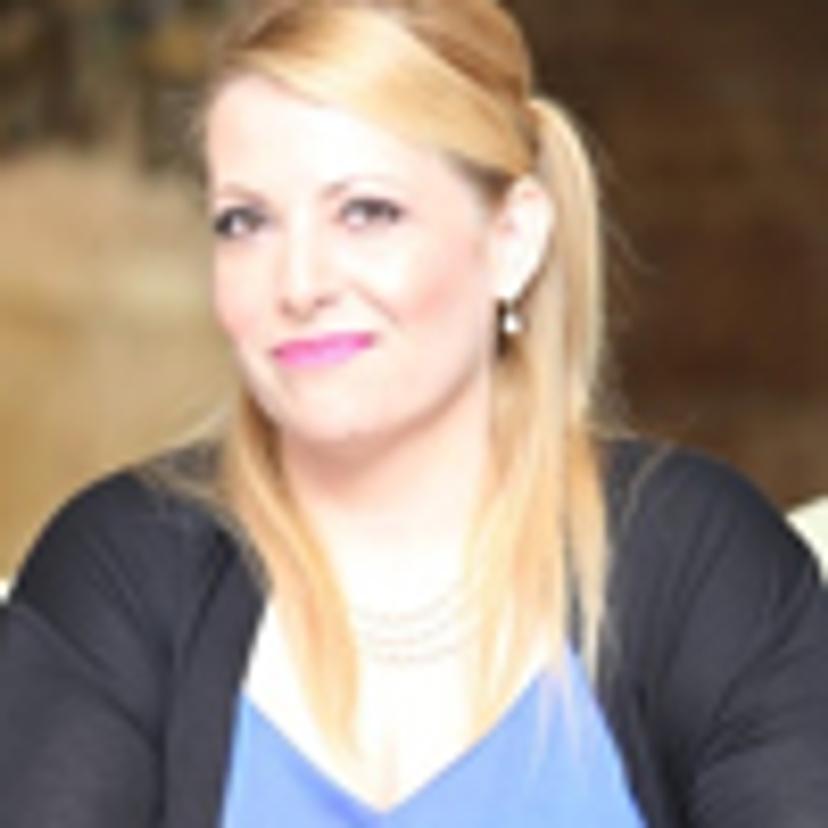
Dr. Vasiliki E. Kalodimou
IASO Maternity-Pediatric and Research Hospital
Characterization of mesenchymal stem cells (MSCs) and their use in the treatment of COVID-19
Featured Speakers
- Prof. Adil Daud, University of California
- Dr. Peter Kavsak, Juravinski Hospital
- Dr. Xander M.R. van Wijk, The University of Chicago
- Felicity Dempsey, POCT Consultancy Services
- Prof. William E. Winter, University of Florida Health
- Dr. Sandra Leibel, USCD and Rad Children's Hospital
- Dr. Tyler Goralski, Johns Hopkins - The Krieger School of Arts and Sciences
Agenda
Look out for our two, color-coded tracks on this year's agenda:
- Clinical diagnostics
- Clinical research
Tuesday, June 22
Flow cytometric analysis of hematologic malignancies by use of the ClearLLab Lymphoid Screening Tube
Prof. Dr. med. Wolfgang Kern, MLL Munich Leukemia Laboratory
13:00 (BST) / 14:00 (CEST) / 08:00 (EDT) / 05:00 (PDT)
Add to Calendar
Measuring what really matters: Safe, rapid and variant specific affinity-based virus-neutralization assays
Sebastian Fiedler, Lead Application Scientist – Life Sciences, Fluidic Analytics
13:45 (BST) / 14:45 (CEST) / 08:45 (EDT) / 05:45 (PDT)
Add to Calendar
Regulation of the European Union with regards to the Registration, Evaluation, Authorization and Restriction of Chemicals (REACH)
Dr. Frank Narz, Associate Director Project Management, OEM by QIAGEN
14:30 (BST) / 15:30 (CEST) / 09:30 (EDT) / 06:30 (PDT)
Add to Calendar
Speaker split session:
Key cornerstones of success for world-leading clinical diagnostics solutions
ELITech
15:15 (BST) / 16:15 (CEST) / 10:15 (EDT) / 07:15 (PDT)
Add to Calendar
Enabling precision medicine through pharmacogenomics
Xander M.R. van Wijk, The University of Chicago
15:15 (BST) / 16:15 (CEST) / 10:15 (EDT) / 07:15 (PDT)
Add to Calendar
Speaker split session:
The importance of TEAM: The power of POCT when we are aligned
Felicity Dempsey, POCT Consultancy Services, Dublin
16:00 (BST) / 17:00 (CEST) / 11:00 (EDT) / 08:00 (PDT)
Add to Calendar
Sample preparation options for the clinical research laboratory
Tina Chambers, Technical Specialist-Sample Preparation, Agilent Technologies
16:00 (BST) / 17:00 (CEST) / 11:00 (EDT) / 08:00 (PDT)
Add to Calendar
Detection of COVID variants using multiplex RT-PCR
Dr. Vikas Palhan, Senior R&D Scientist, Molecular Diagnostics Solutions, MilliporeSigma
16:45 (BST) / 17:45 (CEST) / 11:45 (EDT) / 08:45 (PDT)
Add to Calendar
The influence of NGS on the COVID-19 pandemic
Michelle Fraser, General Manager Next Generation Sequencing at PerkinElmer
17:30 (BST) / 18:30 (CEST) / 12:30 (EDT) / 09:30 (PDT)
Add to Calendar
Beyond throughput – How automation can improve productivity in every laboratory
Dr. Tim Schommartz, Global Marketing Manager, Automation and PCR, Eppendorf AG
18:15 (BST) / 19:15 (CEST) / 13:15 (EDT) / 10:15 (PDT)
Add to Calendar
Speaker split session:
High sensitivity cardiac troponin measurement at point-of-care: Roadmap for regulatory validation
KEYNOTE: Prof. Rob Christianson, University of Maryland
19:00 (BST) / 20:00 (CEST) / 14:00 (EDT) / 11:00 (PDT)
Add to Calendar
PD-1 mechanism of action: What do we know?
Prof. Adil Daud, MD, University of California
19:00 (BST) / 20:00 (CEST) / 14:00 (EDT) / 11:00 (PDT)
Add to Calendar
Wednesday, June 23
Speaker split session:
Characterization of mesenchymal stem cells (MSCs) and their use in the treatment of COVID-19
KEYNOTE: Dr. Vasiliki E. Kalodimou, IASO Maternity-Pediatric and Research Hospital
13:00 (BST) / 14:00 (CEST) / 08:00 (EDT) / 05:00 (PDT)
Add to Calendar
High quality high-sensitivity cardiac troponin requires excellent laboratory quality assurance practice
Dr. Peter Kavsak, Juravinski Hospital
13:00 (BST) / 14:00 (CEST) / 08:00 (EDT) / 05:00 (PDT)
Add to Calendar
Managing water risks in a clinical laboratory & effective water purification system configurations
Fahad Mahmood, ELGA Labwater
13:45 (BST) / 14:45 (CEST) / 08:45 (EDT) / 05:45 (PDT)
Add to Calendar
“I’ll be back” – The journey of the sample through an automated LC/MS workflow
Waters
14:30 (BST) / 15:30 (CEST) / 09:30 (EDT) / 06:30 (PDT)
Add to Calendar
Advances in ion selective electrode technology for clinical analysis
Dr. Stefan Köstler, Erba Mannheim
15:15 (BST) / 16:15 (CEST) / 10:15 (EDT) / 07:15 (PDT)
Add to Calendar
Scientists' Choice Awards: Join us to celebrate the best new clinical technologies of the year
SelectScience
16:00 (BST) / 17:00 (CEST) / 11:00 (EDT) / 08:00 (PDT)
Add to Calendar
Sepsis: The journey through a pandemic
Dr. Ron Daniels, Executive Director and Founder of UK Sepsis Trust
16:45 (BST) / 17:45 (CEST) / 11:45 (EDT) / 08:45 (PDT)
Add to Calendar
Lessons learned on the critical role of collaboration for effective genomic surveillance of SARS-CoV-2 variants
Prof. Richard Michelmore, Director, Genome Center, UC Davis, and Dr. Tania Nolan, Head of Assay Design and Development, LGC, Biosearch Technologies
17:30 (BST) / 18:30 (CEST) / 12:30 (EDT) / 09:30 (PDT)
Add to Calendar
Speaker split session:
Discover why more experts choose QIAGEN solutions for infectious disease and molecular diagnostics
Dr. Josep Pareja, Director of Medical Affairs, Sajid Javed, Global Product Manager, and Sandra Gendreau-Schumann, Senior Global Product Manager, QIAGEN
18:15 (BST) / 19:15 (CEST) / 13:15 (EDT) / 10:15 (PDT)
Add to Calendar
Characterization of emerging chemical and biological threats using micro-physiological systems
Dr. Tyler Goralski, Johns Hopkins - The Krieger School of Arts and Sciences
18:15 (BST) / 19:15 (CEST) / 13:15 (EDT) / 10:15 (PDT)
Add to Calendar
Speaker split session:
Pluripotent stem cell-derived lung organoids to study human lung development and disease
Dr. Sandra Leibel, USCD and Rady Children’s Hospital
19:00 (BST) / 20:00 (CEST) / 14:00 (EDT) / 11:00 (PDT)
Add to Calendar
Cardiac markers of ischemia and infarction
Prof. William E. Winter, University of Florida Health
19:00 (BST) / 20:00 (CEST) / 14:00 (EDT) / 11:00 (PDT)
Add to Calendar
Sponsors















Register for free to reserve a place today — you’ll be able to drop in and out as you wish during the Summit.
Watch this space for further updates and follow our social media channels:
Catch up on the latest techniques and technologies and play your part in improving science communication by leaving a lab product review for a chance to win a $400 Amazon Gift Card.
Spread the word using #ClinicalScienceSummit