
Varian and Icon Group partner to extend commitment to global cancer care
29 Apr 2021
Industry news
Varian, a Siemens Healthineers company, has signed an agreement with Australia’s Icon Group to provide 30 linear accelerators and associated treatment software to help tackle the growing global cancer burden. This agreement further strengthens the global partnership between Varian and Icon Group, together with increasing access to care across regional and underserviced areas in Australia and Asia.
The order is comprised of a variety of Varian linear accelerators and software including Halcyon™, TrueBeam®, and HyperArc™. These systems will be installed in new and existing Icon cancer centers in Australia to increase capacity and broaden patient access, as well as in cancer centers in Singapore and China.
“We are extremely proud of our global partnership with Varian, which continues to help meet our long-term goal of increasing access to care. This investment helps to address the cancer burden in rural and regional Australia and underserved communities in Singapore and China,” said Mark Middleton, CEO of Icon Group. “It’s great to see progress being made on the path to a world where cancer is no longer a burden; where people have every opportunity to fight cancer no matter where they live.”
Icon continues to play a paramount role in the development of radiation oncology treatments and has been an early adopter of Varian technologies over the years, including the first in Australasia to install the Varian Halcyon radiotherapy system and first in Australia to install and treat with HyperArc technology – benefitting patients with multiple tumors in the brain. Icon Group is also a member of the Varian Adaptive Intelligence™ Consortium, alongside other international institutions, to collaboratively develop clinical and technical aspects of Ethos™ therapy and wider radiation therapy treatments and techniques that will continue to evolve cancer care.
“We are honored to be selected once again by Icon Group to provide Varian radiotherapy and radiosurgery systems for its cancer centers around the world,” said Chris Toth, CEO, Varian, a Siemens Healthineers company. “As the cancer burden continues to rise, we are proud to work with our global partners at Icon Group to expand access to advanced cancer care to achieve a world without fear of cancer.”
Want the latest science news straight to your inbox? Become a SelectScience member for free today>>
Related products
Request Quote for All Products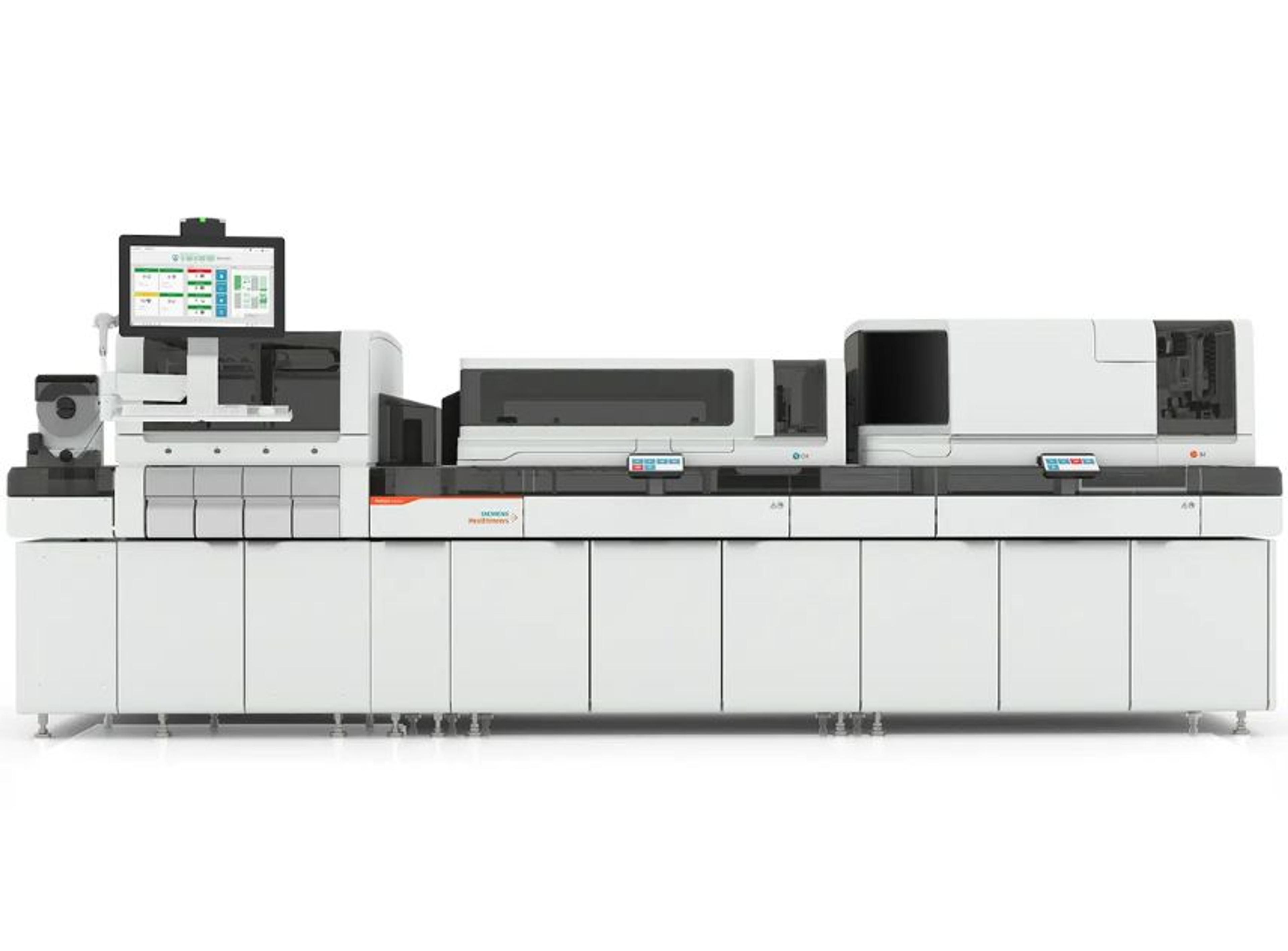
Atellica® Solution
Siemens HealthineersAtellica ® Solution: new flexible, scalable, automation-ready immunoassay and chemistry analyzers from Siemens Healthineers (For within the U.S)