Upcoming cell biology webinars

Discover the latest tools and techniques to expand your cell biology research with expert-led presentations on stem cell-derived models, high-content imaging, membrane-protein targets, and more

12 Dec 2022
Georgina Wynne Hughes
Editorial Assistant

Expert insights

Upcoming SelectScience Webinars

SelectScience® hosts dozens of informative free webinars for scientists every month, featuring world-class speakers at the very forefront of their respective fields. In this week’s feature, we will be focusing on webinars that may especially interest those working in the field of cell biology. If you wish to stay up to date, you won't want to miss the free cell biology webinars taking place over the next few weeks. In addition, we will also highlight some of our top on-demand webinars.

Explore the novel methods being utilized for stem cell-derived model development, discover how developments in high-content imaging can advance your research, and understand how cell sorting can be used to study cellular heterogeneity. Plus, discover advanced, label-free classification of cell morphology, and much more.

Novel methods for the development of stem cell-derived 2D and 3D models

Novel methods for the development of stem cell-derived 2D and 3D models

In this webinar, STEMCELL's Dr. Erin Knock will describe how to culture and differentiate choroid plexus organoids derived from hPSCs, and how they can be applied to answer specific research questions. Dr. Jessica Hartman will discuss improving workflows that span the breadth of iPSC biology, from reprogramming to monoclonal edited colony formation to 3D models for disease.

Monday, December 12, at 16:00 GMT / 17:00 CET / 11:00 EST / 08:00 PST


Register here


Advanced, label-free classification of cell morphology
Advanced, label-free classification of cell morphology

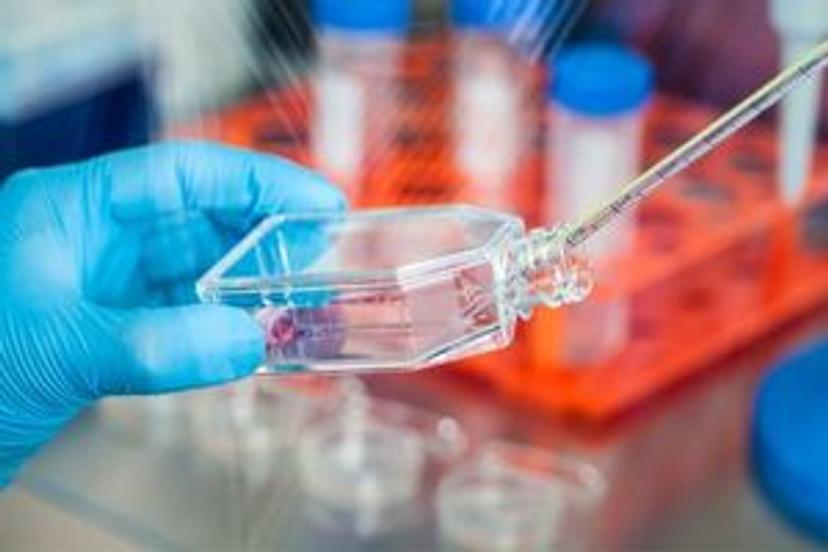
In this webinar, Dr. Gillian Lovell, senior scientist within the BioAnalytics group at Sartorius, describes how using advanced multivariate analysis can simultaneously analyze multiple aspects of cell shape. The simple, automated, and integrated workflow of Incucyte® Advanced Label-Free Classification enables classification of cells into two user-defined populations, based only on their morphology.

Thursday, December 15, at 16:00 GMT / 17:00 CET / 11:00 EST / 08:00 PST


Register here


New on-demand webinar: Optimizing cryopreserved tissue samples using cell sorting to study cellular heterogeneity

Optimizing cryopreserved tissue samples using cell sorting to study cellular heterogeneity

Join this webinar to understand how the Discovery Life Science cell services laboratory processes primary human tissue for downstream analytical evaluation. The MA900 cell sorter from Sony is an integral part of multiple workflows that support both the analyses of cell populations and the preparation of specimens for multiple downstream applications. Experimental data showing single cell resolution of protein expression and results using 10x Genomics single cell RNA-seq (scRNA-seq) technology will be discussed.

Watch on demand


New on-demand webinar: Capturing complexities of cell biology: Pushing the boundaries of imaging assays
Capturing complexities of cell biology: Pushing the boundaries of imaging assays

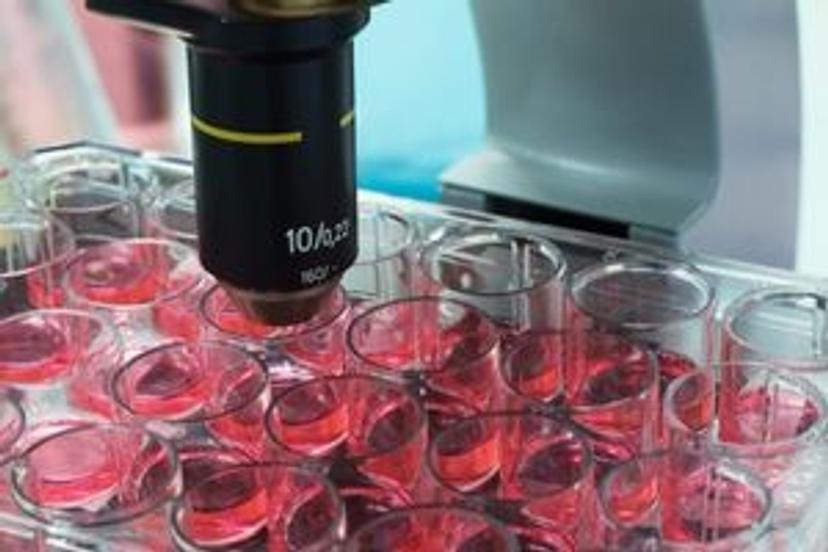
Discover how recent advances in high-content imaging, improved 3D cell models, machine learning and novel microscopy techniques are empowering researchers to get more biologically relevant, actionable data from their samples whilst accelerating throughput. In this webinar, three experts will showcase a number of applications using 3D cell models, as well as showing the power of the cell painting assay for high-content phenotypic profiling.

Watch on demand

Watch all our cell biology webinars at a time that suits you

Missed one of our webinars? Fortunately, all SelectScience webinars are made available on demand after the live event. Catch up on some of our latest webinars below:

Purification-free affinity and concentration measurement of membrane-protein targets

Watch here»

Method Development Strategies for Purity of Proteins by Intact and Subunit Analysis

Watch here»


Real-time visualization and quantification of Akt activity using live-cell imaging

Watch here»

MA900 Cell Sorter: Increasing the capability of multi-user labs by combining automation and technology to support multi-application needs

Watch here»


SelectScience runs 10+ webinars a month across various scientific topics, discover more of our upcoming webinars>>

Links

Tags

Cell / Tissue CultureCell culture or tissue culture is used to study the biology of cells or tissues and to isolate cellular products in an environment which can be manipulated and well defined. Accurately control your culture environment with bioreactors or culture incubators, bind your cells to a surface or together with an extracellular matrix. Distinguish cell types with differential media or proliferate cells with certain characteristics using selective media. Enrich your media with supplements such as growth factors, sera and vitamins. Find the best cell and tissue culture products, kits and equipment in our peer-reviewed product directory: compare products, check customer reviews and receive pricing direct from manufacturers.Cell Lines Stem Cells and Primary CellsPrimary cell cultures, established cell lines and stem cells are vital for <i>in vitro</i> and <i>ex vivo</i> experimentation. High-quality cells, optimized for your applications, alongside optimized cell substrates, growth medium and supplements, are critical for experimental success. Explore a range of cells suitable for your applications, including isogenic cell lines, competent cells, induced pluripotent stem cell (iPSC)-derived cell lines, fungal/bacterial/mammalian cell lines, stem cells and cancer cell lines. Find the best cells for your research in our peer-reviewed product directory: compare products, check customer reviews and receive pricing direct from manufacturers.MicrobiologyMicrobiology is the study of microorganisms including protists, prokaryotes, fungi, and, often, viruses. Microorganisms are a useful research tool as genetic vectors and, in immunology, for antibiotic susceptibility testing, cellular biology and genetics. Microorganisms commonly grow readily in incubators with microbial culture media; this can contain chromogenic supplements to differentiate between cell lines. Estimate your culture’s density of microorganisms with colony counters, or screen and select colonies for desirable clones with automated colony pickers. Additionally, equipment is available to monitor environments for the presence of microbes and identify with microbial identification instruments. Find the best microbiology products in our peer-reviewed product directory: compare products, check customer reviews and receive pricing direct from manufacturers.Cell-Based AssaysCell-based assays are used to monitor the presence, quantity and activities of a desired cellular analyte including drug molecules or biomarkers. This can reveal information on cell health (apoptosis, cytotoxicity, viability and proliferation assays), cell metabolism, cell migration and cell signaling mechanisms. Find the best cell-based assay products, kits and equipment with our peer reviewed product directory: compare products, check customer reviews and receiving pricing direct from manufacturers.BiomarkersBiomarkers are biological markers which can be measured and evaluated to indicate a biological state. The use of biomarkers in research and diagnosis can indicate a normal or disease state or drug response of cells / tissues. Biomarkers include genetic markers, cell surface markers such as antigens, antibodies or receptors and secreted molecules such as cytokines. An assay system is required for identification of biomarkers. :In Vivo Imaging Systems<i>In vivo</i> imaging systems, including pre-clinical imaging systems and medical imaging systems are used to non-invasively visualize and capture images of live animals and plants. Monitor the natural processes or diseases of your subjects using small-animal pre-clinical imaging systems, including single photon positron emission tomography (SPECT), positron emission tomography (PET), computed tomography (micro-CT), magnetic resonance imaging (MRI), X-ray radiography, ultrasound, fluorescence and bioluminescence imagers. Multimodal systems and software solutions are also available for correlative analysis of organ, tissue, cell, or molecular-level processes. Find the best in vivo imaging products in our peer-reviewed product directory: compare products, check customer reviews and receive pricing direct from manufacturers.Light MicroscopyLight microscopes or optical microscopes are used to visualize microscale objects under magnification, including cells, clinical specimens and materials. Lab equipment for light microscopy includes confocal microscopes, fluorescence microscopes, zoom and stereo microscopes. Microscope slides and imaging reagents are available for visualizing samples, as well as various microscope stages and incubators for large or temperature-sensitive samples. Find the best light microscopes in our peer-reviewed product directory: compare products, check customer reviews and receive pricing direct from manufacturers.Protein ExpressionProtein expression is the utilization of cell machinery for the synthesis of proteins and has become a critical tool in biotherapeutic, genomic, and proteomic research. Produce recombinant proteins with expression vectors in combination with a host cell suitable for high-level protein expression. For production of toxic proteins, consider cell-free expression vectors. Create and monitor post-translational modifications with protein modification kits. Find the best protein expression products in our peer-reviewed product directory: compare products, check customer reviews and receive pricing direct from manufacturers.Cell ImagingCell imaging can be achieved using a number of techniques including confocal microscopy, transmission electron microscopy, atomic force microscopy, and light sheet microscopy.Stem Cell ResearchStem cells have the ability to produce identical daughter cells as well as progeny, which commit and differentiate. Stem cell research has exciting prospects of biomedical applications in cellular disease modeling, pharmaceutical screening, and regenerative medicine. Membrane ProteinsCell SortingCell sorting isolates specific cell populations based on physical or molecular characteristics, essential in immunology, cancer research, and regenerative medicine. Techniques like flow cytometry improve accuracy and speed. Compare cell sorting instruments and solutions in our product directory.Live Cell ImagingLive cell imaging is the study of living cells using microscopes and high-content imaging systems. This technique provides in-depth insight into fast and complex biological processes, by allowing dynamic imaging of living cells instead of acquiring an individual image at a single point in time.Stem Cell DifferentiationCell BiologyCell biology studies the structure, function, and behavior of cells. Understanding cellular processes is essential for research in areas such as cancer biology, stem cell research, and neurobiology. Techniques like flow cytometry, microscopy, and cell culture enable researchers to explore cellular mechanisms in detail. Browse our peer-reviewed product directory to find the best cell biology tools and equipment, compare products, check customer reviews, and get pricing directly from manufacturers.