
University of Lausanne Uses Syngene's Dyversity To Help Rapidly Identify Proteins Associated with Neurodegenerative Disease
27 Nov 2009Product news
Syngene is delighted to announce that its Dyversity 2D imaging system is being used by one of Europe’s leading research institutes, the University of Lausanne in Switzerland for Analysing Triple Labelled DIGE Gels in order to help identify proteins associated with neurodegenerative diseases.
Scientists in the Centre for Psychiatric Neurosciences at the University of Lausanne are using a Dyversity imaging system to analyse differential 2D gel electrophoresis (DIGE) acrylamide gels of brain proteins labelled with different Dyomics fluorescent dyes including maleimide dyes with wavelengths between 400nm to 700nm. This is allowing the researchers to determine the mechanisms affecting protein composition during neurodegeneration, which they believe will help them identify disease specific markers and define their role in disease progression.
Professor Beat Riederer said:” We are studying neurodegenerative diseases such as Alzheimer’s disease. Protein oxidation alters protein function with aging and alters function nervous cells. A recently developed technique allows us to identify different oxidation forms in control and Alzheimer brain tissue. We label our proteins with different fluorescent dyes and Coomassie Blue and subsequently identify proteins by MS analysis. We then run them on DIGE gels and use the protein spots directly in MS to identify which proteins are oxidized at the cysteine residue. To image the labelled gels we use the Dyversity system because it allows imaging of three or more samples separated on the same 2D electrophoresis gel and by overlaying each protein pattern we can subsequently locate differences in protein composition.”
Professor Riederer added: “To save time, two years ago we started using the Syngene Dyversity. This system has several filter slots to allow imaging of lots of dye colours together and to date we have imaged DIGE gels with three different colours on the same gel to produce an image in just two minutes. We have been very happy with the Dyversity system because it has met our expectations and enabled us to rapidly analyse our gels and locate some very interesting proteins.”
Laura Sullivan, Syngene’s Divisional Manager stated: “We are excited to see our Dyversity system being used for this novel application at the University of Lausanne. Their impressive results are excellent proof that our well-designed CCD imager can process labelled DIGE gels much more rapidly than laser scanning technology and shows the Dyversity system is essential for any laboratory needing to significantly increase throughput in their proteomics research.”
Related products
Request Quote for All Products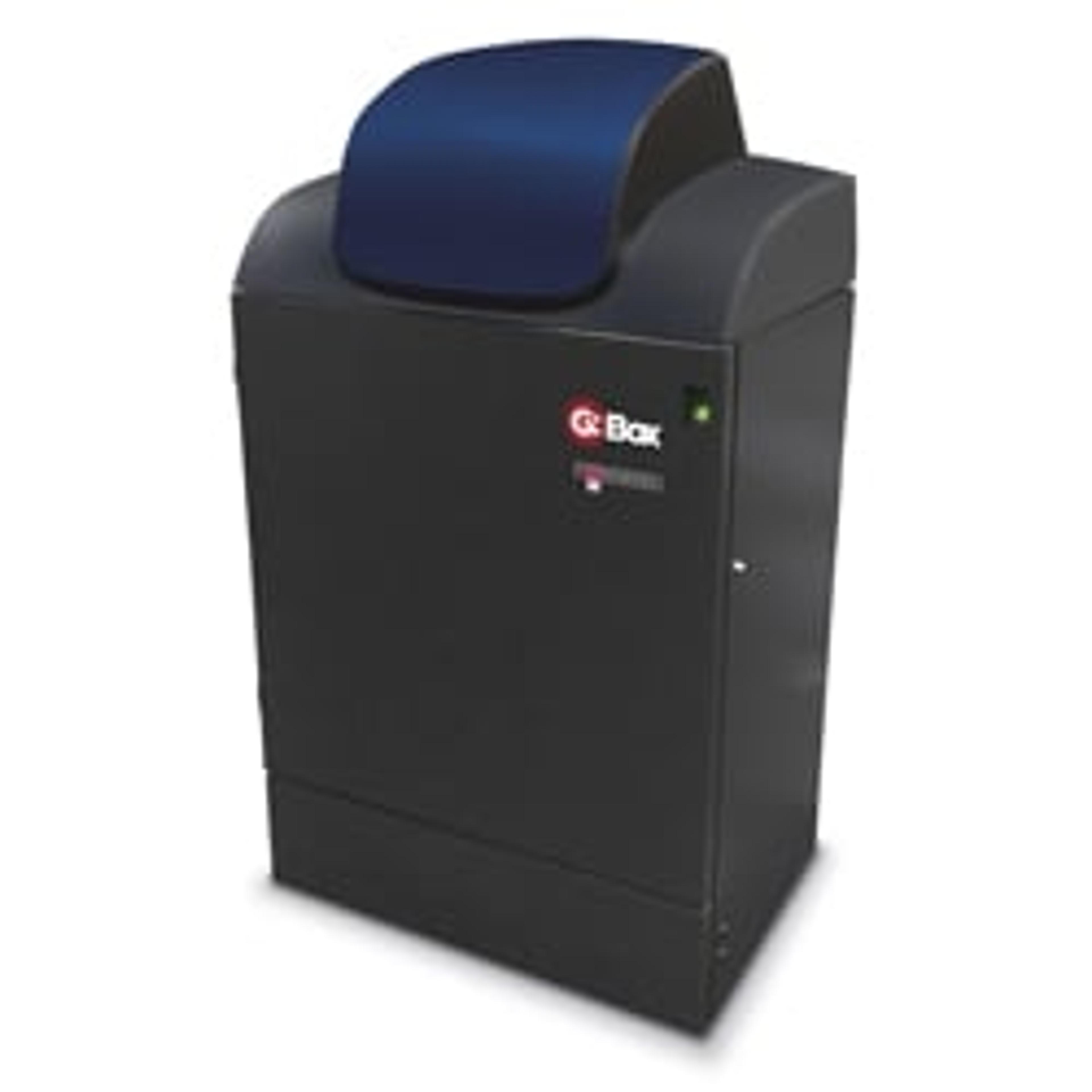
G:BOX Chemi XX9
SyngeneG:BOX Chemi XX9 gel imaging system has a high resolution camera for imaging multiple sample types and sizes, from fluorescence 1D to 2D gels to chemiluminescent blots. Your lab’s imaging system shouldn’t control how you detect proteins on Western blots. Chemiluminescence is great if you want sensitive detection of picogram or femtogram amounts, while fluorescence lets you quantify and detect multiple different proteins on one blot.