
Trending in Clinical Diagnostics: Alzheimer’s Breakthroughs & Next-Generation Immunotherapy Success
1 Apr 2019Editorial article
As we move into April, it’s time for another round-up of the past month’s scientific successes and innovations from across the globe. Could AI be the answer to finding the Alzheimer’s algorithm? Have scientists found a solution to treating aggressive pediatric brain tumors? Find out more in March’s top trending content below.

Amyloid is not the answer
In a compelling interview with Dr. C.J. Barnum, Director of Neuroscience at INmune Bio, we discover why – after years of targeting amyloid neuronal plaques – the answer could instead be found in managing the activity of microglia. Barnum explains how dysregulated microglia — the immune mediators of the brain — precedes plaque deposition by many years, and how, by using a diagnostic mass spec breath test, we could detect these changes at very early disease stages

An AI algorithm to detect early-stage Alzheimer's
The difficulty in predicting and preventing neurological disease lies in the variety of pathological manifestations between patients. Essentially, there is no clear combination of biomarkers that indicates disease onset or severity. However, new research conducted at the University of Southern California employs artificial intelligence to tease out patterns from vast quantities of data, and the results are remarkable.

This novel TB test could save lives
Researchers at the University of Leicester, UK, are conducting a clinical trial investigating the efficacy of a new blood test for tuberculosis. At present, few tests aid in the identification of mycobacteria – owed largely to challenges in producing sputum during pulmonary infection. This exciting development could prevent life-threatening sequalae in patients with early-stage TB infection.

A new frontier in immunotherapy
It’s safe to say that immunotherapy is the most exciting and emergent approach to cancer therapy. In 2014, the FDA granted breakthrough designation status to CD19-directed CAR-T cells and, in 2017, CAR-T was officially approved for use in children and adults with acute lymphoblastic leukemia (ALL). What you might not know, however, is that CAR-T can induce what’s called a ‘cytokine storm’ – an often-deadly response to the infusion of immune cells. In this interview, we find out how scientists have discovered a way to target aggressive solid tumors without this adverse effect, thanks to a new approach using virus specific T cells.
A game-changer for chronic lymphocytic leukemia diagnosis
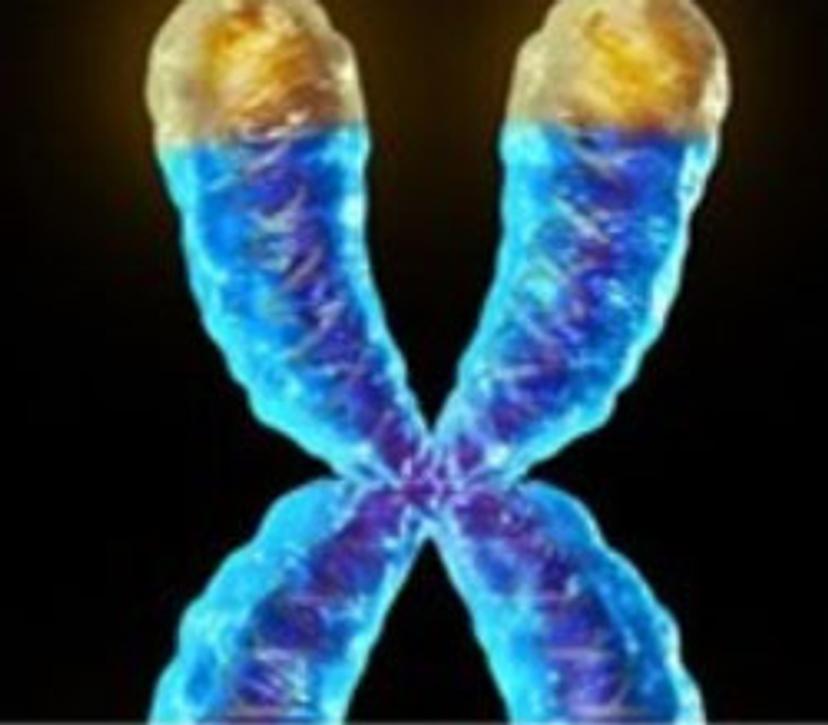
A new study published in the journal Leukemia, conducted by researchers based at Cardiff University in Wales, has revealed a game-changing test to predict how patients with chronic lymphocytic leukemia (CLL) will respond to therapy — in just one day. The test measures the length of telomeres — terminal sections of DNA on the chromosome that shorten with successive replications. Scientists have known for some time that telomere length is associated with cancer progression, but until now the test has taken weeks to complete. Read more in this article.
Related products
Request Quote for All Products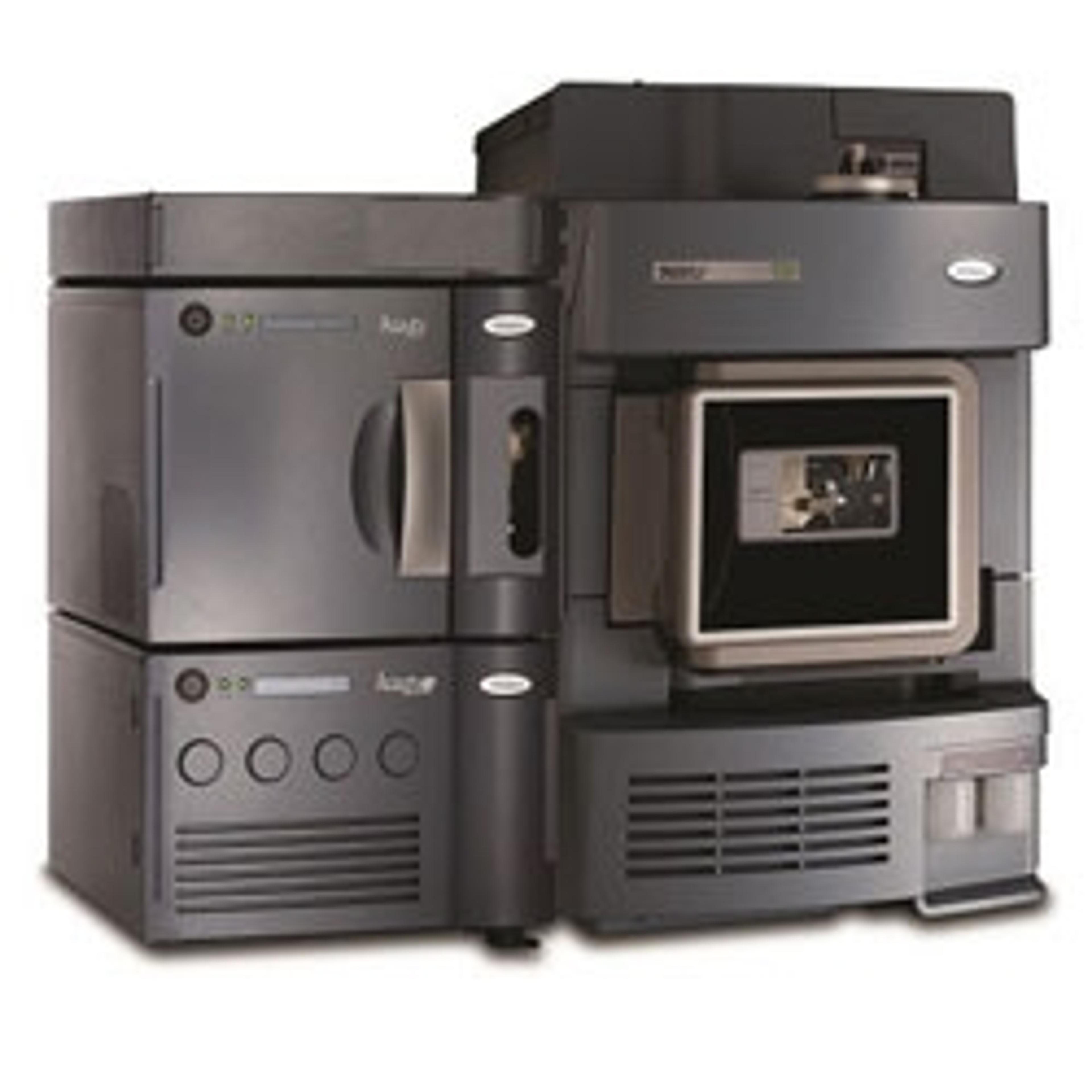
ACQUITY UPLC I-Class / Xevo TQD IVD System
WatersThe rugged, robust and reliable Xevo TQD – a solid performer for clinical analyses

ACQUITY UPLC I-Class/Xevo TQ-S micro IVD System
WatersHigh performance from a compact design with rapid, reliable, and reproducible quantitative data for the clinical laboratory.