
Top UK University is First to Install Dyversity 2D Gel Imager To Help Identify Proteins Associated with Multiple Human Diseases
31 Oct 2007Product news
Syngene, a world-leading manufacturer of image analysis solutions, is pleased to announce that one of the UK’s premier universities, Imperial College London, has chosen Dyversity, its 2D gel imaging system, to assist in identifying the complex proteins associated with human diseases.
The installation provides Syngene with another high-profile customer in the 2D gel market. In addition to multiplex imaging of 2D protein gels pre-labelled by Cy dyes, the Dyversity system, which has been fitted with precision made filters, UV and visible lighting modules, will be used by up to 200 scientists a year in the Institute of Biomedical Engineering at Imperial College to image 1D protein and DNA gels, as well as chemiluminescent blots stained with a range of visible, fluorescent and chemiluminescent dyes respectively.
Dr Judit Nagy, Research Scientist in Proteomics, Institute of Biomedical Engineering, explained: “When the Institute opened last year, we wanted to make sure that our core facilities would support all scientists in the institute and their multi disciplinary research. This meant that we needed an image acquisition system which could be used in a wide range of research projects to perform the most demanding 2D gel imaging, as well as the simplest gel documentation.”
“Having evaluated four systems from major suppliers, we chose Dyversity because its functionality is equivalent to two imaging systems and a laser scanner, but in one unit. We are delighted to be the first site in the UK to have a Dyversity system,” added Dr Nagy.
Laura Sullivan, Syngene’s Divisional Manager stated: “Imperial College is world-renowned for scientific excellence and cutting edge applied medical research. It is a great compliment to know such astute scientists have chosen a Dyversity system and that it will be used as part of so many important proteomics research programmes."
Related products
Request Quote for All Products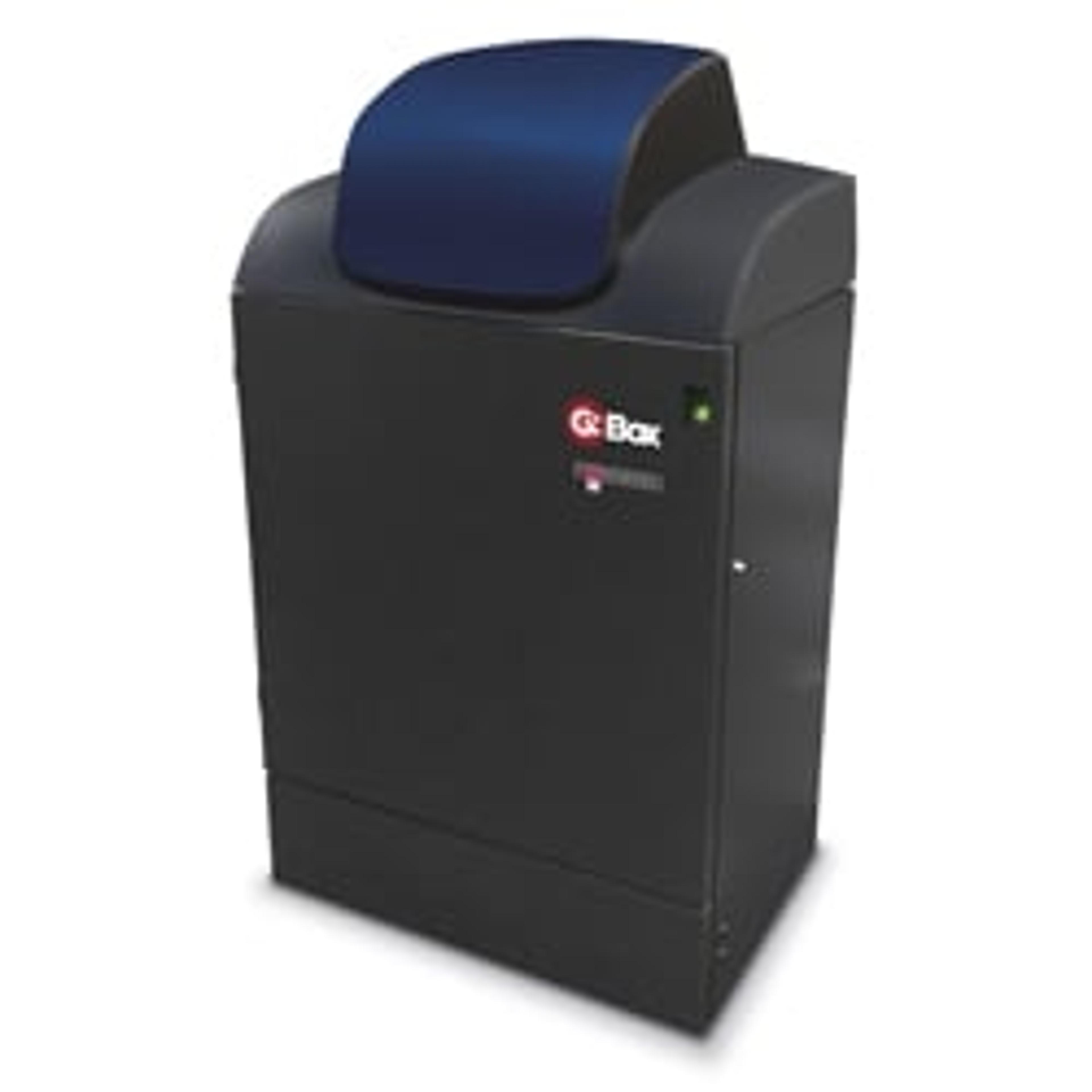
G:BOX Chemi XX9
SyngeneG:BOX Chemi XX9 gel imaging system has a high resolution camera for imaging multiple sample types and sizes, from fluorescence 1D to 2D gels to chemiluminescent blots. Your lab’s imaging system shouldn’t control how you detect proteins on Western blots. Chemiluminescence is great if you want sensitive detection of picogram or femtogram amounts, while fluorescence lets you quantify and detect multiple different proteins on one blot.