
Top 7 Clinical Application Articles
Most interesting new application articles from the SelectScience® library
21 Dec 2015
Editorial article
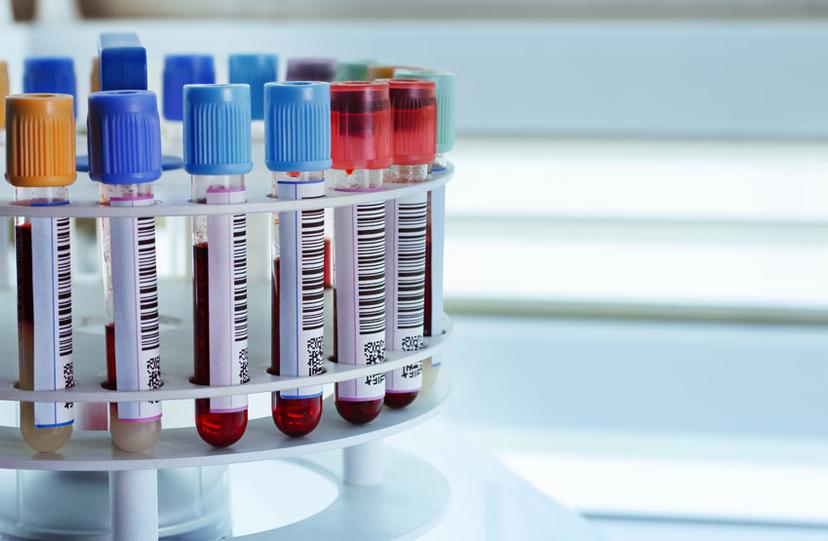
New application articles are added to SelectScience daily
New documents are added to the SelectScience application article library every day. This article highlights 7 of the most interesting new downloads available for members. The list includes advances in flow cytometry, use of mass spectrometry for breath analysis, methods for next generation sequencing, and more!
1. 6 Color Panel for Staining Human Peripheral Blood Lymphocytes
This application note describes immunophenotypic analysis of human peripheral blood lymphocytes utilizing a 6-color antibody panel in a stain/lyse protocol run on the CytoFLEX Research Flow Cytometer. The markers chosen are commonly used surface CD antigens which can be used to quantify and characterize normal and abnormal lymphocyte populations in peripheral blood.
2. Fast-Acquisition Breath Analysis Configuration
With the development of sensitive analytical technique, chemists can now search for unique trace markers in a person’s breath to identify particular medical conditions. Breath analysis has the potential to become a non-invasive diagnostic tool in clinical practice. Mass spectrometry is the ideal gas analysis technique for many respiratory applications. The MAX300-LG™ measures all compounds in a sample, requires minimal sample flow, and delivers rapid data updates. This application note demonstrates the use of the MAX300-LG™ for breath analysis.
3. Somatic Variant Detection from Liquid Biopsy Samples using Targeted NGS
This application note describes a robust method for detecting somatic mutations from liquid biopsy samples by combining circulating tumor cell (CTC) enrichment with a high sensitivity targeted next-generation sequencing (NGS) panel. The combined workflow has broad implications for how cancer can be monitored non-invasively using a routine blood draw without the need for tissue biopsies. Genomic aberrations detected with this approach can help elucidate the genomic signature of the cancer unique to each patient, and ultimately, can help guide therapeutic decisions.
4. Laboratory Investigation of Hemolysis
Hemolysis is the premature breakdown of red blood cells (RBC). This can occur either within macrophages of the reticuloendothelial system (RES), or within the blood vessels. This application note provides an overview of the methods of detecting hemolysis, and explains the impact of artefactual hemolysis caused by poor blood collection and sample handling.
Cytotoxic effector lymphocytes (CTL) are the premier line of defense in viral infection or tumor infiltration. Granzyme B is the main weapon in the CTL arsenal. Granzyme B is a serine protease found primarily in natural killer (NK) cells and CTL and it acts by means of inducing apoptosis in target cells. Contact between CTL and target cells results in directed exocytosis of the CTL granules and penetrance into target by means perforin-polymerized target-cell pores. This poster assesses whether measurement of granzyme B may be a more accurate assessment of cytotoxic T cell and NK activation, and thus more indicative of an acute cytotoxic response.
Compensation is one of the most critical, and yet poorly understood, topics in flow cytometry. Just as setting the proper voltage and knowing the range of wavelengths where fluorophores excite and emit, compensation is necessary for successful flow cytometry. Compensation is required for flow cytometry experiments because of the physics of fluorescence and the construction of flow cytometers. This application note describes the use of the Invitrogen™ Attune™ NxT Flow Cytometer for 6-color immunophenotyping analysis of stained human whole blood using a no-lyse, no-wash protocol.
7. Label-free Screening of Human Diseases
Autoimmune diseases are derived from autoimmunity and are caused by an immune response of the organism against its own cells and tissues because it does not recognize them as own constituent parts. One example for an autoimmune disease is the Hughes syndrome (antiphospholipid syndrome, APS). This application note demonstrates how the Berthold Technologies bScreen with Biametrics 1lambda-RIDe technology is able to detect specifically serological autoimmune antibodies and thus can help to diagnose autoimmune diseases more quickly.
Related products
Request Quote for All Products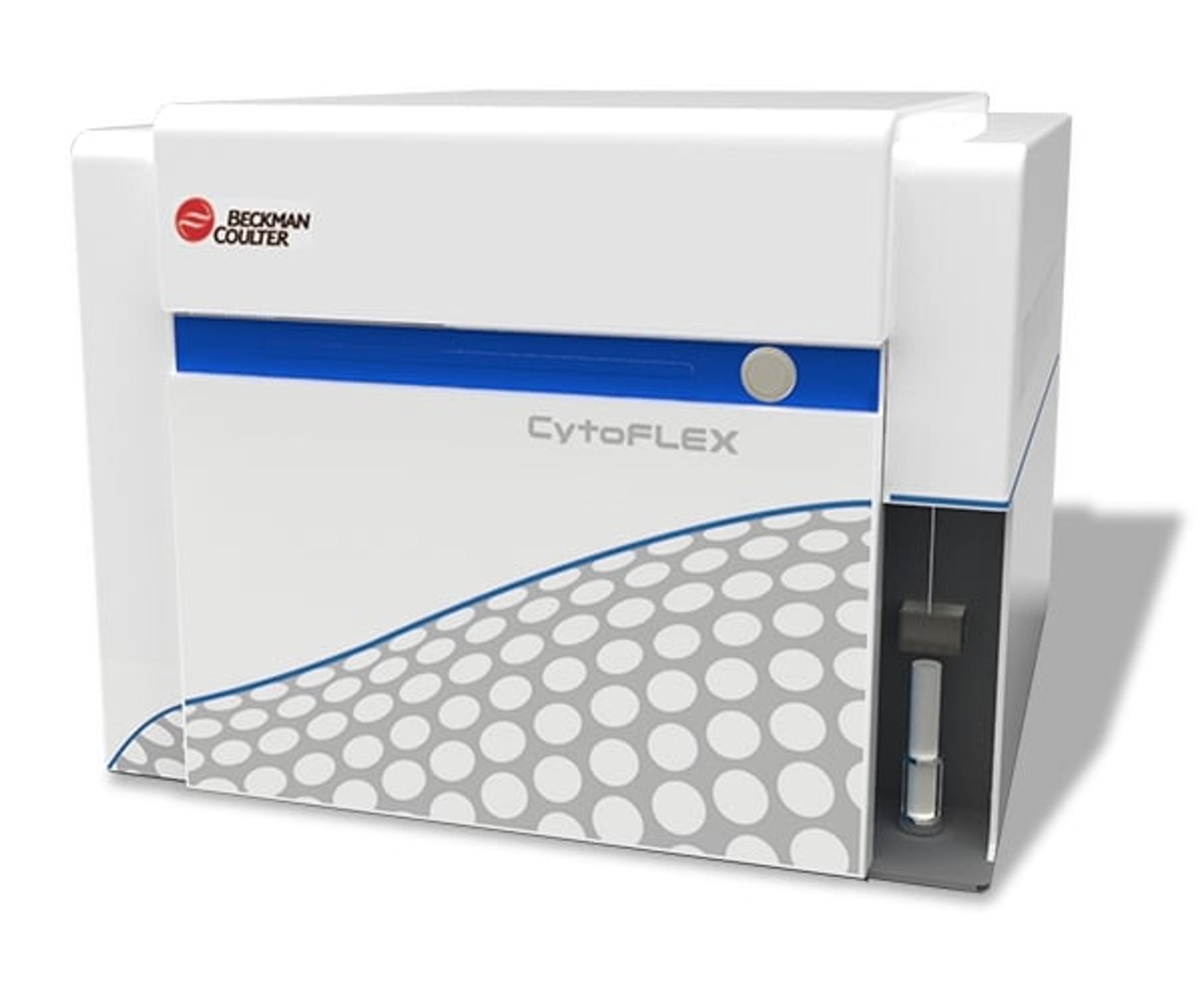
CytoFLEX Flow Cytometer
Beckman Coulter Life SciencesProviding quality and performance at any configuration, the CytoFLEX system provides powerful sensitivity and resolution for the simple to the most challenging applications. CytoFLEX delivers and surpasses capabilities expected in top tier analyzers, with excellent performance and nanoparticle resolution.

XN-Series Haematology Analyzers
Sysmex Europe SEHematology Automation Analyzer. Integrated modules - XN analytical, barcode terminal, SP for smear making/staining.
Coulter Epics XL™ and XL-MCL™ Flow Cytometer
Beckman Coulter Life SciencesThis unique system redefines the standards of flow-cytometric analysis. The flow cytometer combines the analytical power of a research cytometer into a compact, truly walk away, clinical analyzer ergonomically designed to expedite sample throughput.