Top 5 Webinars to Improve Your Imaging Techniques

Learn about the latest imaging technologies and innovative applications

11 Jun 2016
Alex Waite
Editorial Assistant

Editorial article


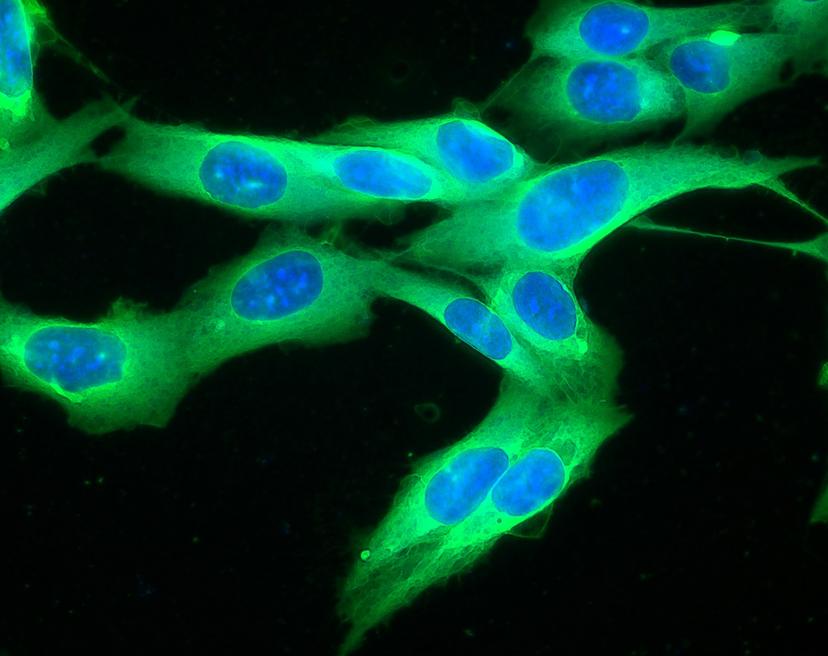
Imaging technology is used across a variety of disciplines – from research in Life Sciences analyzing cells, to work in the materials industry testing new materials. Improving technology as well as advances in techniques combining different imaging technologies, such as light and electron microscopy, are helping researchers to complete these analyses in even greater detail.

Watch the webinars below to learn about different imaging technologies, how they allow researchers to study the world around us and discover the most effective techniques for a variety of applications.

1. Dr Peter O’Toole, University of York: Making Light Work of 3D Bioimaging


Watch a presentation from Dr Peter O’Toole, where he discusses the benefits of microscopy for biologists. Hear about the technique has been applied to a range of applications such as the analysis of mitotic cells and other samples. Watch the presentation >>

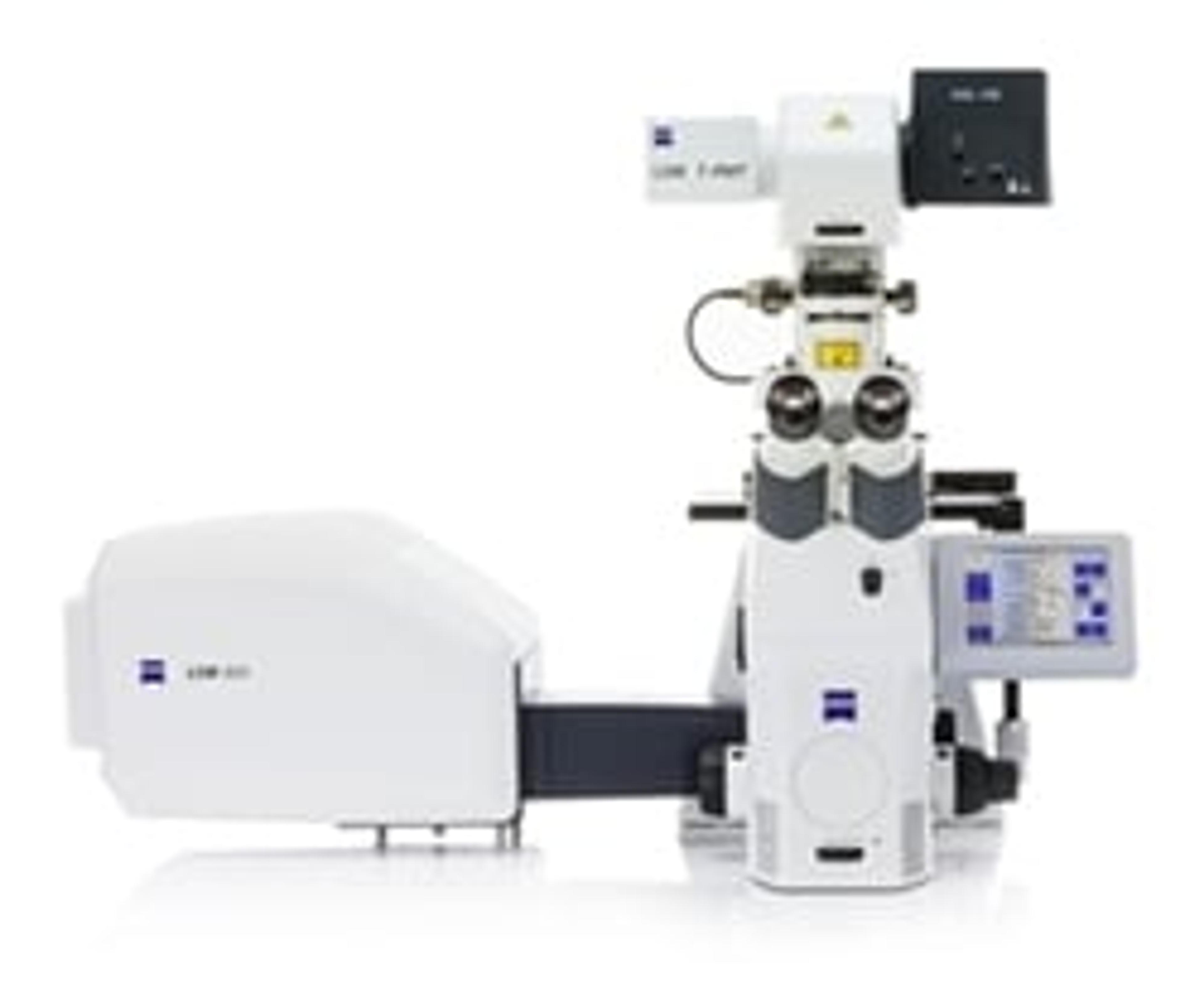
2. Increase Laser Scanning Microscopy Performance with ZEISS Airyscan

Joseph Huff, ZEISS Microscopy, discusses the use of Airyscan detection module for laser scanning confocal microscopy to increase resolution and signal-to-noise ratio compared to traditional confocal imaging, and how the different modes allow analysis of more samples. Watch the webinar >>
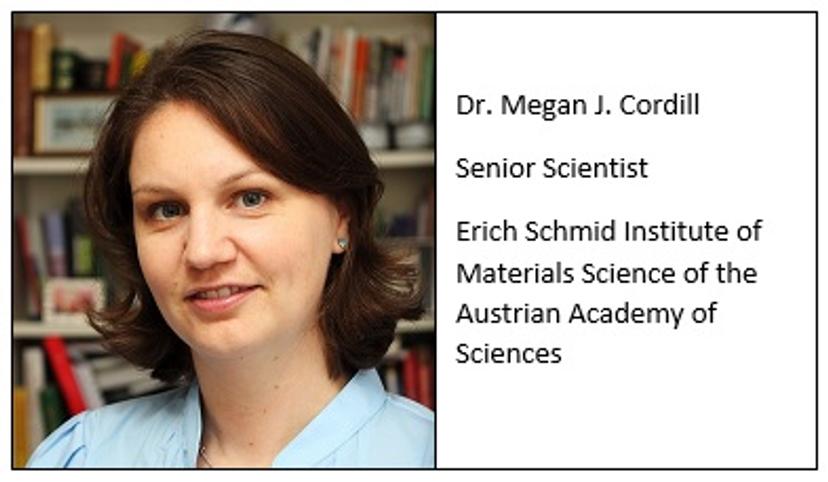
3. In-Situ-Squared: Combined Electrical and Mechanical Testing of Flexible Electronic Materials with Confocal Laser Scanning Microscopy


Dr. Megan J. Cordill and Jakob Mallmann, OLYMPUS EUROPA, discuss basics of fragmentation testing in-situ and in-situ-squared methods, and in-situ-squared fatigue testing of flexible electronic materials using confocal laser scanning microscopy. Hear how these techniques can be used to investigate the electrical and mechanical behavior of thin films and structures used in flexible electronic devices. The combination of mechanical straining, while acquiring electrical resistance and 3D images of the surfaces with confocal laser scanning microscopy, provides valuable data for reliability testing of flexible electronics. Watch the webinar >>

4. Pushing the Limits of Biomedical and Biological FTIR Imaging
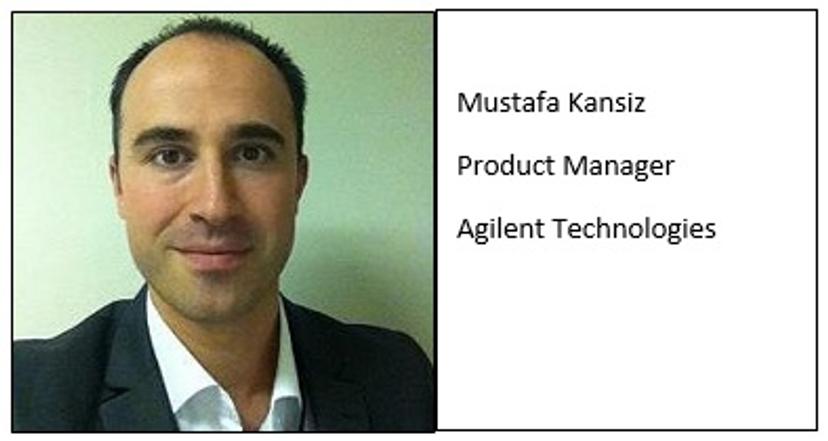
 

Dr Mustafa Kansiz, from Agilent Technologies, looks at research into Fourier Transform Infrared Spectroscopy (FTIR) and its applications in the biomedical and biological fields, such as rapid, label-free chemical imaging. This webinar presents a comparison between new advances and traditional techniques for optical and spectroscopic analysis. Watch the webinar >>

5. Light Sheet Imaging for Fast 3D Live Cell and Tissue Imaging


Dr Thomas Planchon and Dr Thai Truong, University of Southern California, discuss the principles of light sheet microscopy, the main advantages for imaging live specimens and studying dynamic biological processes. Watch the webinar >>

Learn more about combining imaging technology in our Correlative Microscopy Special Feature, and hear from leading experts in the field from EMBL’s 3D Light to 3D Electron Microscopy Workshop.

Watch more free webinars from SelectScience® here.

Do you use any of the products featured in this article? Is there a product you couldn’t live without? Share your experience with our worldwide community and write a review today for your chance to win an iPad Air® or an Amazon voucher worth $400 (or equivalent currency)!

Links

Tags

Sample PreparationSample preparation can improve the quality and speed of separation techniques. Products to assist sample preparation include filtration equipment, evaporators, membranes and sieves.Atomic Absorption / Emission SpectroscopyAtomic absorption spectroscopy (AAS) and atomic emission spectroscopy (AES) — also called optical emission spectroscopy (OES) — are used to detect the elemental constituents in samples. Both techniques involve the atomization of a sample. Atomic absorption spectrometers may use a flame or furnace to create an atomic vapor of the sample before irradiation with spectral light. Optical emission spectrometers may use a flame, inductively coupled plasma (ICP), microwave plasma (MP) or spark arcs to atomize and excite the sample. At higher excitation energies, electrons can be emitted instead of photons, which can be useful for samples that can’t be atomized and for surface analysis. Explore electron spectroscopy equipment such as Auger spectrometers and photoelectron spectrometers for surface elemental analysis of samples. Find the best atomic absorption, photoelectron and optical emission spectrometers in our peer-reviewed product directory: compare products, check customer reviews and receive pricing direct from manufacturers.Fluorescence SpectroscopyFluorometers and spectrofluorometers (also called fluorescence spectrometers) are used to measure the intensity and wavelength of fluorescent light emitted from a sample after excitation by illumination. Spectrofluorometers utilize monochromators to select the desired wavelengths, whereas filter fluorometers employ a set of filters. Spectrofluorometers for measuring steady-state fluorescence and lifetime fluorescence (or time-resolved fluorescence) are available, as well as fluorescence microscopes and microplate readers. Find the best fluorescence spectroscopy products in our peer-reviewed product directory: compare products, check customer reviews and receive pricing direct from manufacturers.Raman SpectroscopyRaman spectroscopy is used to discern the vibrational and rotational states of molecules and hence the chemical composition of a sample by measuring the inelastic scattering of monochromatic light. Explore a range of Raman spectrometers, including handheld/portable Raman spectrometers for QC/QA labs and in situ spectrometers for processes. Conduct Raman imaging for microanalysis of mixed samples using a Raman microscope. Raman spectrographs are also available. Find the best Raman spectroscopy products in our peer-reviewed product directory: compare products, check customer reviews and receive pricing direct from manufacturers.UV-Visible SpectroscopyUltraviolet-visible (UV-Vis) spectrophotometers are used to measure the interaction of UV and visible light with a sample, including transmission, reflectance & absorbance. The two major instrument classes are single-beam or double-beam spectrophotometers. More specialized equipment includes colorimeters, spectroradiometers and refractometers. Portable and microvolume spectrophotometers are also available. For the modular spectroscopy lab, explore a range of light sources for combination with a spectrograph/spectrometer and optics. Find the best UV-Vis spectroscopy products in our peer-reviewed product directory: compare products, check customer reviews and receive pricing direct from manufacturers.Cell / Tissue CultureCell culture or tissue culture is used to study the biology of cells or tissues and to isolate cellular products in an environment which can be manipulated and well defined. Accurately control your culture environment with bioreactors or culture incubators, bind your cells to a surface or together with an extracellular matrix. Distinguish cell types with differential media or proliferate cells with certain characteristics using selective media. Enrich your media with supplements such as growth factors, sera and vitamins. Find the best cell and tissue culture products, kits and equipment in our peer-reviewed product directory: compare products, check customer reviews and receive pricing direct from manufacturers.Gel Doc / Image AnalysisGel documentation (gel doc) or gel imaging systems are used for the analysis of proteins, antibodies and nucleic acid immobilized in polyacrylamide or agarose gels, membranes or microarrays. Explore a range of a gel imaging systems, densitometers, scanners, transilluminators or UV lamp + CCD cameras for your image analysis solutions. Colorimetric, fluorescent and/or radioisotopic samples can be visualized and documented for further analysis. See gel doc / Image analysis software for quantitative 1D and 2D analysis of your samples. Find the best gel doc / image analysis products in our peer-reviewed product directory: compare products, check customer reviews and receive pricing direct from manufacturers.Sample ManagementSample management systems include sample storage devices such as freezers and plate storers, sample environment enclosures and sample organization, retrieval and sorter systems. Useful system features include high-throughput, automation, robotic arms, automated liquid handling and associated database systems. Accessories in sample management include barcode scanners, heat sealers and tubes.Cellular PathologyCellular Pathology deals with the microscopic analysis of tissue samples and cells. Sample preparation and processing includes fixation, staining, sectioning and slide mounting, using equipment such microtomes and cryostats. In choosing immunohistochemistry and immunocytochemistry kits, consider chromogens, staining method, antibodies, microscopes and imaging.Cell-Based AssaysCell-based assays are used to monitor the presence, quantity and activities of a desired cellular analyte including drug molecules or biomarkers. This can reveal information on cell health (apoptosis, cytotoxicity, viability and proliferation assays), cell metabolism, cell migration and cell signaling mechanisms. Find the best cell-based assay products, kits and equipment with our peer reviewed product directory: compare products, check customer reviews and receiving pricing direct from manufacturers.MALDI-TOF MSMALDI-TOF mass spectrometers (matrix-assisted laser desorption/ionization time-of-flight) are used for the mass analysis of large molecules, including proteins, DNA, polymers and other macromolecules due to its relatively soft ionization, reducing fragmentation whilst allowing fast data acquisition. Tandem mass analyzers such as TOF/TOF systems can be used to increase resolution and sensitivity of your analysis. Find the best MALDI-TOF products in our peer-reviewed product directory: compare products, check customer reviews and receive pricing direct from manufacturers.Robotic InstrumentsRobotic instruments can be used for high-throughput automation of many lab processes. Such processes use instruments for assays like cell based assays and ELISA, for sample preparation like shakers, centrifuges and incubators, and for analysis such as sequencing and western blot analyzers. Useful features of robotic instruments include speed, reproducibility, barcode readers, software and automation.Robotic WorkstationsRobotic workstations are automated platforms enabling the user to perform high-throughput, multi-application processes, from sample preparation tasks such as PCR set-up, DNA purification and NGS library preparation, to integrated sample prep and analysis workstations. Automation makes processes consistent, fast, precise and fully walk-away. Find the best robotic workstations in our peer-reviewed product directory: compare products, check customer reviews and receive pricing direct from manufacturers.Software PlatformsSoftware platforms are useful for various stages of laboratory experiments from data collection to data storage and processing. For instance lab software is available for system control, data management, data analysis and qualification / validation.In Vivo Imaging Systems<i>In vivo</i> imaging systems, including pre-clinical imaging systems and medical imaging systems are used to non-invasively visualize and capture images of live animals and plants. Monitor the natural processes or diseases of your subjects using small-animal pre-clinical imaging systems, including single photon positron emission tomography (SPECT), positron emission tomography (PET), computed tomography (micro-CT), magnetic resonance imaging (MRI), X-ray radiography, ultrasound, fluorescence and bioluminescence imagers. Multimodal systems and software solutions are also available for correlative analysis of organ, tissue, cell, or molecular-level processes. Find the best in vivo imaging products in our peer-reviewed product directory: compare products, check customer reviews and receive pricing direct from manufacturers.