This year saw the 71st South-Eastern Regional Meeting of the American Chemical Society

23 Oct 2019
Arran Tabary-Davies
Microbiologist

Product news

Rigaku Corporation is pleased to announce it attended the 71st Southeastern Regional Meeting of the American Chemical Society, (SERMACS) in Savannah, Georgia. Held each fall, the meeting includes a variety of symposia topics covering analytical, biological, computational, inorganic, medicinal, organic, physical, and polymer chemistry.

Rigaku, a key sponsor of the event, presented its lines of benchtop X-ray analytical instrumentation.

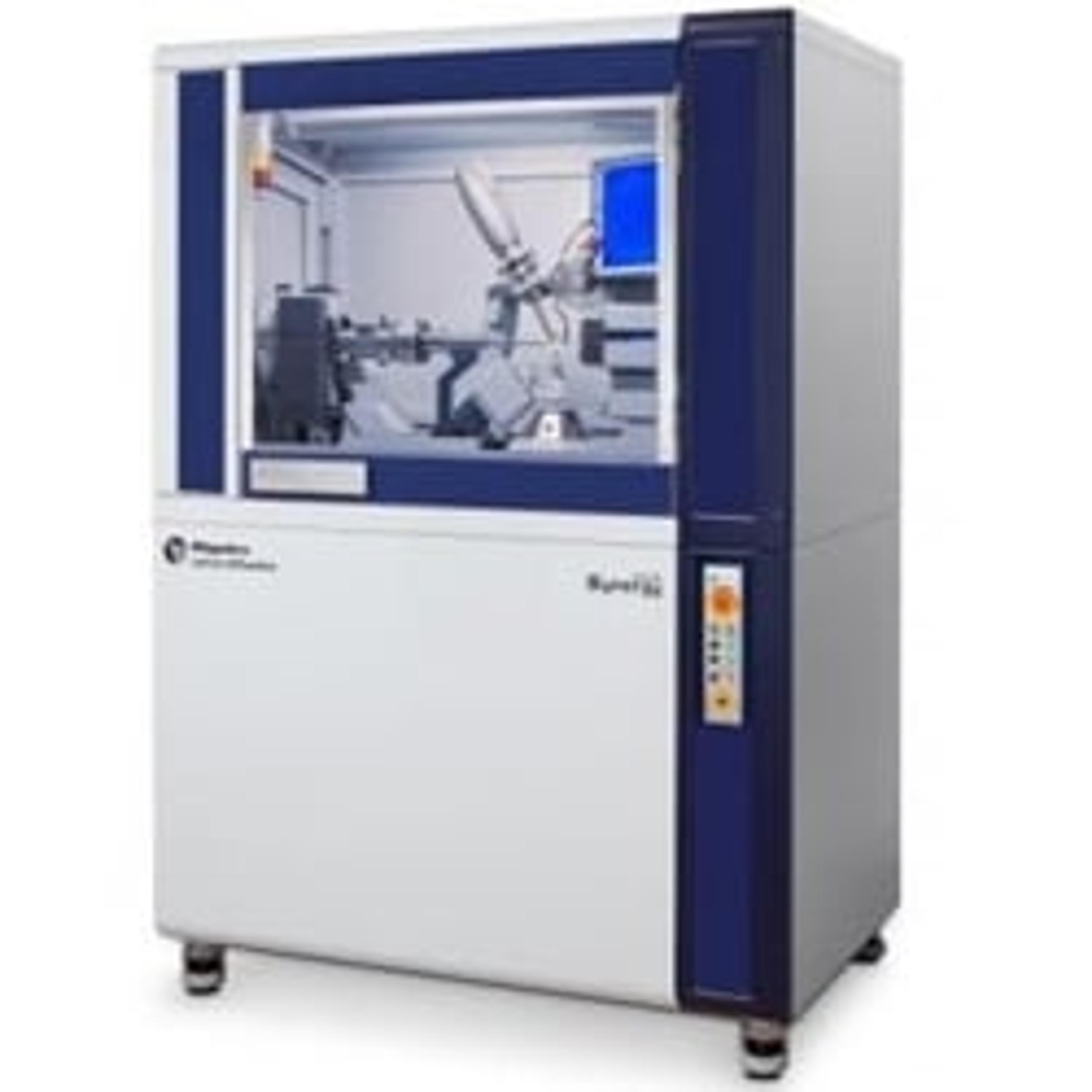
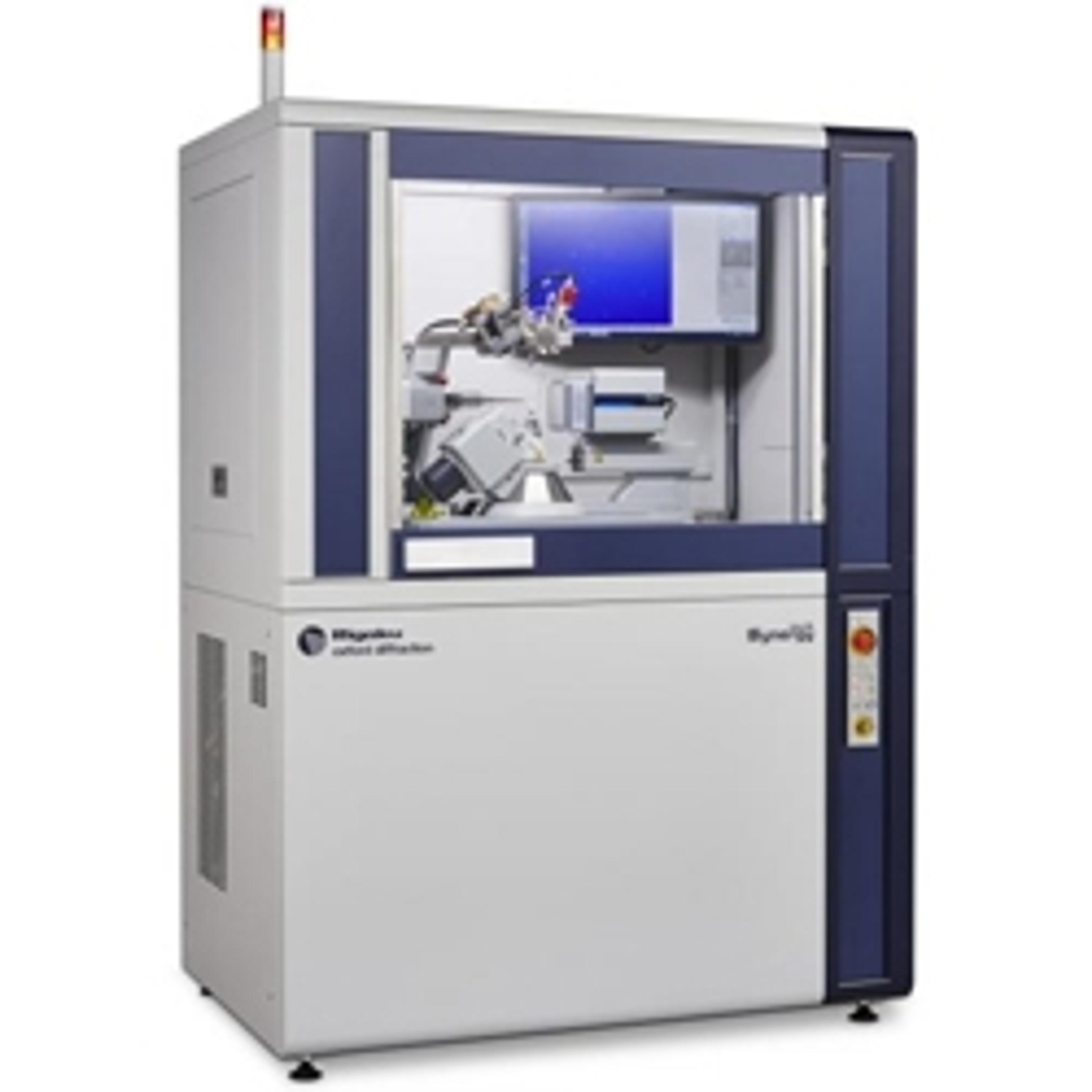
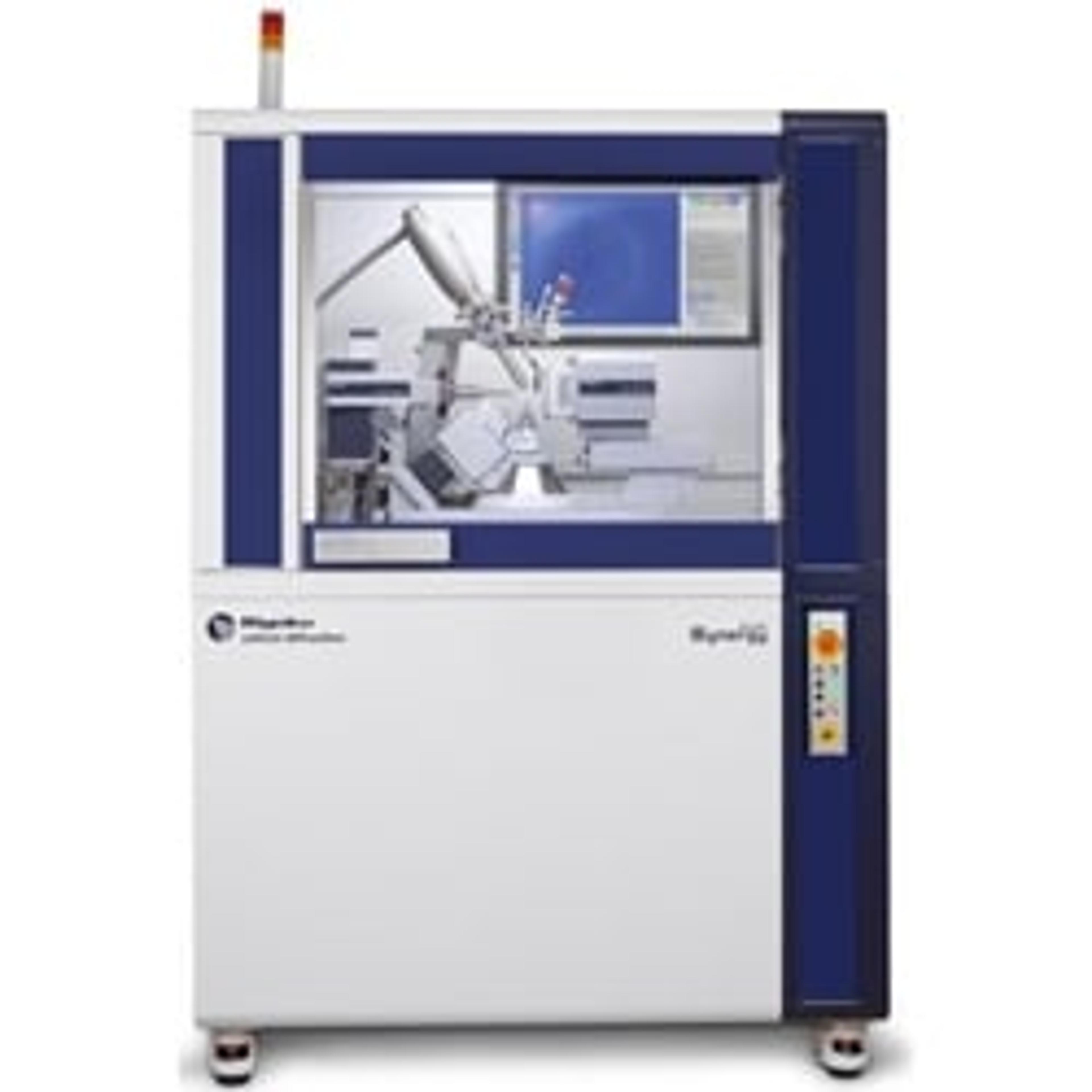
On the opening day of the event, a presentation on single crystal X-ray diffraction technology was given entitled, “The Rigaku Oxford Diffraction XtaLAB Synergy: from powder analysis to electron density study and protein structure solution.” The session highlighted the performance of the Rigaku XtaLAB Synergy-S X-ray diffractometer.

Instruments in the XtaLAB Synergy series from Rigaku Oxford Diffraction include a dual wavelength microfocus sealed tube (the XtaLAB Synergy-S), or microfocus rotating anode (the single wavelength XtaLAB Synergy-R and dual wavelength XtaLAB Synergy-DW diffractometers).

Each system includes a combination of a powerful microfocus X-ray beam and highly sensitive direct photon counting Rigaku HyPix detector, designed to allow powder, small molecule and protein crystallographers to cover a wide range of crystallography experiments.

Do you use Rigaku products in your lab? Write a review today for your chance to win a $400 Amazon gift card>>
Links

Tags

X-Ray Diffraction and SpectroscopyX-Ray diffraction & spectroscopy are used in material characterization to discern the structure and elemental composition of a sample. X-Ray diffractometers (XRD) are superior instruments in elucidating the dimensional atomic structure of crystalline materials, including powders, thin films and single crystals. For large unit cells or ordered macromolecules, consider small-angle X-ray scattering (SAXS). X-ray spectroscopic techniques include X-ray fluorescence (XRF) and X-ray photoelectron spectroscopy (XPS), both providing simple and accurate methods for determining the elemental composition of a material. Energy dispersive (EDXRF) and wavelength dispersive (WDXRF) XRF spectrometers are available, as well as handheld/portable devices. High-resolution, 3D microstructure characterization of materials can be achieved with X-ray microscopes combining sub-micron resolution imaging with 3D computed tomography. Find the best XRD and XRF spectrometers in our peer-reviewed product directory: compare products, check customer reviews and receive pricing direct from manufacturers.SpectroscopySpectroscopy is a technique that analyzes the interaction of light with matter to study molecular properties, concentrations, and structural information. Widely used in chemical, pharmaceutical, and environmental analysis, spectroscopy offers insights into molecular composition and helps identify unknown compounds. It plays a key role in quality control, research, and diagnostics. Browse our peer-reviewed product directory to compare spectroscopy tools, read reviews, and get prices directly from manufacturers.