
Thermo Fisher Scientific Releases OXSAS 2.0 Analytical Software Integrating UniQuant Standardless Program
28 Jul 2013
Product news
Laboratory operators using optical emission (OE) and X-ray fluorescence (XRF) spectrometers – especially in materials certification and process control settings – can save time and money with OXSAS 2.0 analytical software.
The software, Thermo Scientific™ OXSAS 2.0, which incorporates powerful Thermo Scientific UniQuant software, enables XRF users to accurately measure up to 79 elements in an unknown sample without the need for specific calibration, effectively eliminating the need for certified reference materials.
By integrating UniQuant software in our latest version of OXSAS software, we enable truly seamless standard-less quantitative analysis, something that is particularly useful for all laboratories that analyze a wide range of different materials.
OXSAS 2.0 software also offers the following for both optical emission and XRF spectrometers:
• Unlimited results database size
• A powerful new search engine
• Ease-of-use improvements
Related products
Request Quote for All Products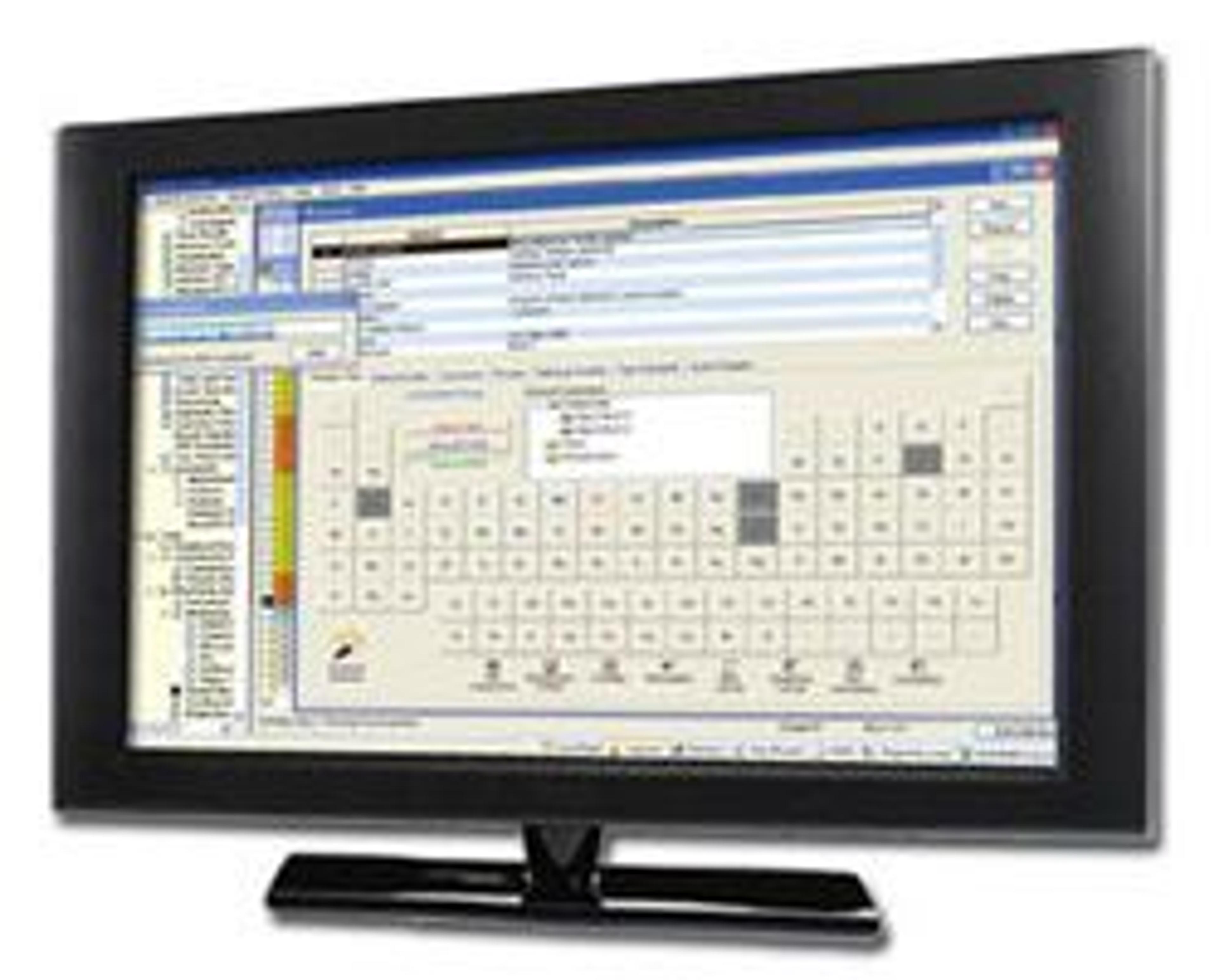
OXSAS* Optical Emission Analytical Software
Thermo Fisher ScientificThermo Scientific* OXSAS Optical Emission Analytical Software evolves to meet user needs with up-to-date solutions throughout instrument lifetime. Regular software updates maintain a user-friendly interface for OXSAS Optical Emission Analytical Software. Its multipurpose analysis display with wide-ranging optional data assists in method validation. Numerous on-line processing functions are customizable for manual or automatic applications.OXSAS* Optical Emission Analytical Software Features: Routine analysis function requires minimal data entry by user: required analytical parameters and results processing details are pre-defined in the routine analysis shortcut One click creation of a batch with all samples requiring analysis Multiple analyte curve display, instant base curve calculation, templates for editing and measuring of calibration standards Calibration curve determination using multi-variable regression with additive and multiplicative correction models Comprehensive post-treatment of results, including export and Microsoft Excel support Integrated Microsoft SQL Server 2005 Express relational database which stores set up and analyses data Export and import facilities allowing calibration standards, methods or grades to be easily transferred from one instrument to another Supports Spark-DAT hardware option of ARL 4460* instrument for a spark-by-spark digital acquisition Comprehensive steel and nonferrous metals and cross-reference database included with Thermo Scientific OXSAS for optical emission spectrometers
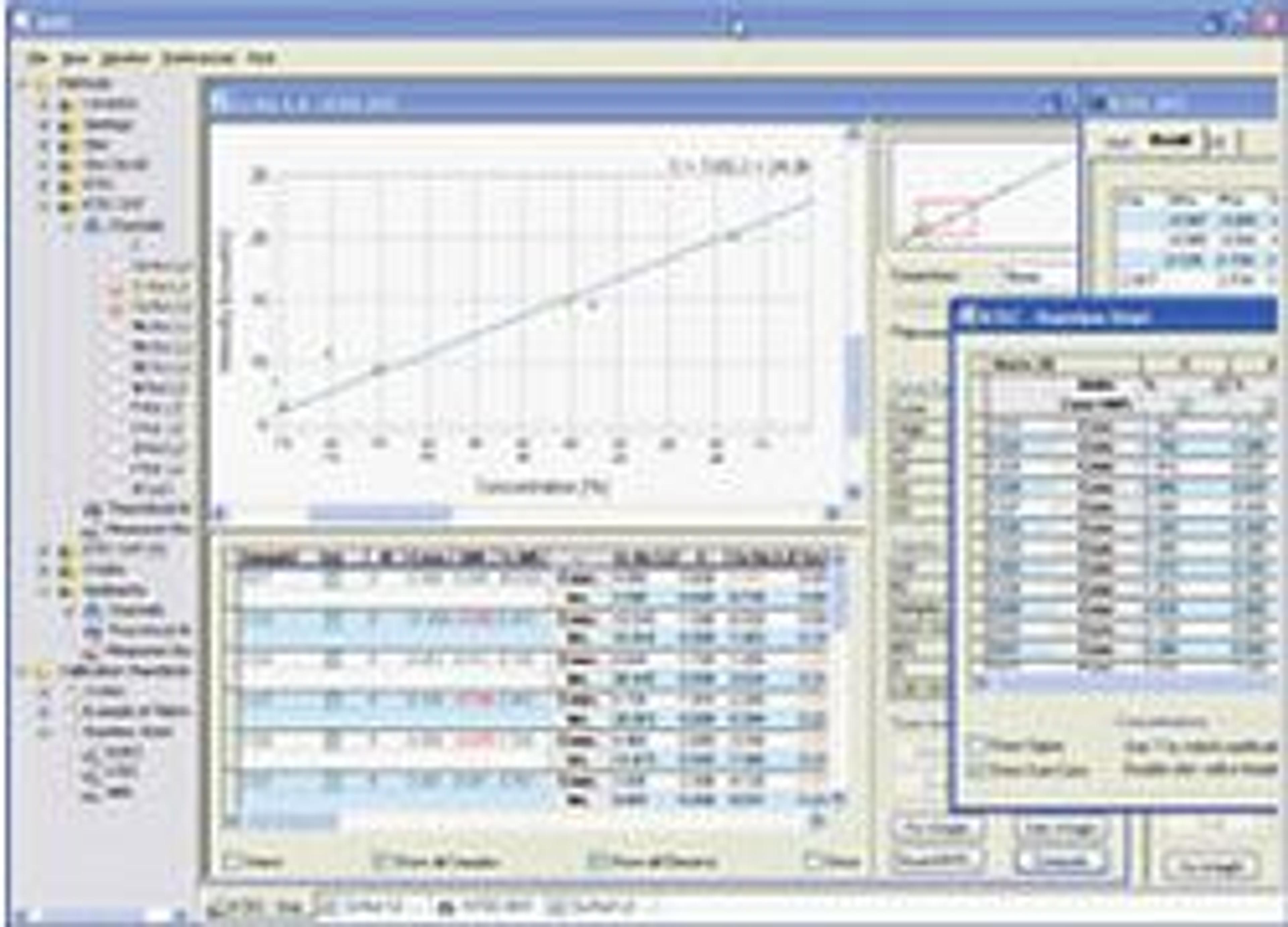
OXSAS* X-Ray Fluorescence Analysis Software
Thermo Fisher ScientificThermo Scientific* OXSAS X-Ray Fluorescence Analysis Software performs rapid, high-quality analyses using template-driven operations. Thermo Scientific OXSAS is software for WDXRF spectrometers in the ARL PERFORM'X* Series, ARL OPTIM'X Series and ARL 9900 IntelliPower* Series. This platform evolves to meet changing needs with up-to-date solutions throughout instrument lifetime. OXSAS* X-Ray Fluorescence Analysis Software Features: Integrated Analytical Assistant guides the creation or extension of methods suggesting best analytical parameters for rapid and accurate analyses Automatic Method Choice may be used to select the best analyical parameters set without user intervention Routine analysis function allows performance of analysis with minimal data-entry, e.g., single sample identity SCT Manager: overview of the analytical capability of the instrument and of each method any time Comprehensive post-treatment of results, including export to MS Excel Integrated Microsoft SQL Server Express 2005 relational database stores set up and analyses data Export and import facilities allowing calibration standards, methods or grades to be easily transferred from one instrument to another Fast calibration with multiple analyte curve display, instant base curve calculation, templates for edition and measurement of calibration standards Calibration curve determination using multi-variable regression with a range of correction models and integrated theoretical alphas calculation