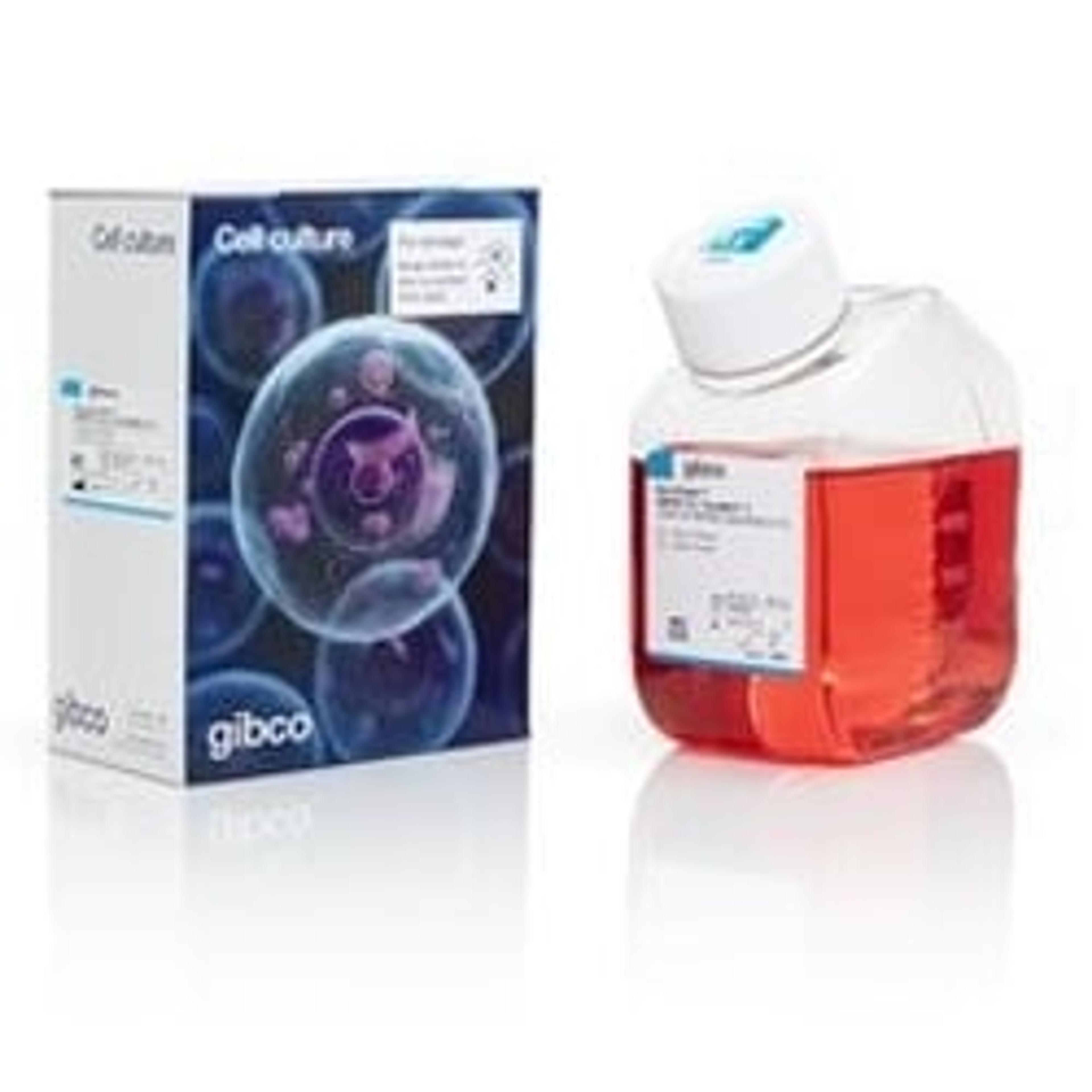
Thermo Fisher Scientific launches modular closed cell processing system for cell therapy manufacturing

The CTS Rotea system aims to help researchers overcome manufacturing hurdles and bring the vast potential of cell therapies to more patients

14 Oct 2020

Diane Li
Assistant Editor

Product news

Thermo Fisher Scientific has announced the launch of its Gibco CTS Rotea Counterflow Centrifugation System, a modular, closed cell therapy processing system that enables scalable, cost-effective cell therapy development and manufacturing. The CTS Rotea system is the first Gibco instrument for cell therapy processing applications and facilitates workflows from research through GMP clinical development and commercial manufacturing.

As of mid-2020, 675 clinical trials were underway globally for cell therapy and cell-based immune-oncology, according to the Alliance for Regenerative Medicine. Yet few cell therapies in development become commercially available due to several factors: safety and efficacy requirements, difficulties in transferring research protocols to manufacturing processes, lack of scalability of these therapies, high cost of facilities, labor and equipment, and complexity of the processes involved.

Using a modular, closed system for cell processing enables time-consuming processes to be decoupled from rapid processes, improving facility and equipment utilization and reducing the capital investment required. The use of the same system from research through process development and commercial manufacturing lowers the risk of process delays associated with changing systems. Sterile, closed, single-use kits enable cell processing in grade C clean rooms, leading to cost-effective transfer and scale-out of processes.

“It is notoriously difficult for cell therapies to advance from the research stage into the marketplace,” said Amy Butler, president of the biosciences business at Thermo Fisher Scientific. “Our goal is to help advance the development of cell therapies, including exciting new CAR T cell therapies and even potential cell therapies to repair lung damage caused by COVID-19. The CTS Rotea system will help researchers overcome manufacturing hurdles and bring the vast potential of cell therapies to more patients.”

The multifunctional and highly flexible CTS Rotea system can easily integrate into existing workflows, process low- to mid-range input volumes, and deliver low output volumes. Consisting of an instrument, closed sterile single use kit, and user programmable software, the CTS Rotea system provides processing flexibility to support a broad range of protocols for cell separation, washing and concentration with a cell recovery yield of greater than 95 percent while maintaining cell viability.The CTS Rotea system aims to help researchers overcome manufacturing hurdles and bring the vast potential of cell therapies to more patients.

Do you use Thermo Fisher Scientific products in your lab? Write a review today for your chance to win a $400 Amazon Gift Card>>

Links

Tags

Cell / Tissue CultureCell culture or tissue culture is used to study the biology of cells or tissues and to isolate cellular products in an environment which can be manipulated and well defined. Accurately control your culture environment with bioreactors or culture incubators, bind your cells to a surface or together with an extracellular matrix. Distinguish cell types with differential media or proliferate cells with certain characteristics using selective media. Enrich your media with supplements such as growth factors, sera and vitamins. Find the best cell and tissue culture products, kits and equipment in our peer-reviewed product directory: compare products, check customer reviews and receive pricing direct from manufacturers.Cell Lines Stem Cells and Primary CellsPrimary cell cultures, established cell lines and stem cells are vital for <i>in vitro</i> and <i>ex vivo</i> experimentation. High-quality cells, optimized for your applications, alongside optimized cell substrates, growth medium and supplements, are critical for experimental success. Explore a range of cells suitable for your applications, including isogenic cell lines, competent cells, induced pluripotent stem cell (iPSC)-derived cell lines, fungal/bacterial/mammalian cell lines, stem cells and cancer cell lines. Find the best cells for your research in our peer-reviewed product directory: compare products, check customer reviews and receive pricing direct from manufacturers.Data AnalysisData analysis hardware and software is available to make data processing straight-forward yet powerful. Data software can be used for math and stats, technical graphing and image analysis. In addition, software is available for specific data analysis of electrophoresis, densitometry, ELISA and DNA sequencing.ImmunologyImmunological techniques measure and characterize immune responses. Immunology kits and analysis systems often use techniques such as ELISA, radioimmunoassay (RIA) and immunodiffusion assays, Immunohistochemistry, and flow cytometry. Immunologists use equipment such as flow Cytometers, plate readers, plate washers and fluorescent microscopes.Cellular PathologyCellular Pathology deals with the microscopic analysis of tissue samples and cells. Sample preparation and processing includes fixation, staining, sectioning and slide mounting, using equipment such microtomes and cryostats. In choosing immunohistochemistry and immunocytochemistry kits, consider chromogens, staining method, antibodies, microscopes and imaging.Biopharmaceutical AdvancesBiopharmaceutical advances follow the development of pharmaceuticals derived from biotechnology, also known as biotechnology medicines. Biopharmaceuticals may be produced from cell lines, plants, or microbial cells. Important considerations of biopharmaceutical use include application, cost, production process and purification.Clinical TrialsClinical Trials, an essential part of drug discovery process, assess the safety and effectiveness of a new medication or device in the pharmaceutical industry. Clinical Trials are a phased process (Phase 0, Phase I, Phase II, Phase III and Phase IV) which begins after initial preclinical testing.Clinical ChemistryBiochemistry (or clinical chemistry) involves the analysis of bodily fluids using chemical tests. Techniques used include HPLC, chromatography, spectroscopy, mass spectrometry, immunochemical, electrophoresis, turbidometric / spectrophotometric assay, MRI and ISE analysis. Tests are often carried out on plasma or serum but urine (urinalysis) and fecal specimens are also processed.Clinical GeneticsMolecular Genetics covers the analysis of hereditary genetic disease and chromosomal abnormalities. Genetics can be analysed using DNA, RNA, and protein microarrays, PCR, RT PCR and DNA sequencing. Genetic equipment includes genetic workstations, thermal cyclers, cooling blocks and electrophoresis products. Diagnostic kits are used for DNA / RNA extraction and purification.Clinical MicrobiologyMicrobiology is the study of microorganisms including protists, prokaryotes, fungi, and, often, viruses. Microorganisms are a useful research tool as genetic vectors and, in immunology, for antibiotic susceptibility testing, cellular biology and genetics. Microorganisms commonly grow readily in incubators with microbial culture media; this can contain chromogenic supplements to differentiate between cell lines. Estimate your culture’s density of microorganisms with colony counters, or screen and select colonies for desirable clones with automated colony pickers. Additionally, equipment is available to monitor environments for the presence of microbes and identify with microbial identification instruments. Find the best microbiology products in our peer-reviewed product directory: compare products, check customer reviews and receive pricing direct from manufacturers.Drug DeliveryDrug Delivery refers to dosage form, route of administration, formulations, technologies, and systems for transporting a pharmaceutical compound in the body as needed to safely achieve its desired therapeutic effect. Drug delivery is often approached via the biopharmaceutical or small molecule drug's formulation, but it may also involve medical devices or drug-device combination products. Considerations include instrumentation, software and services. Cell AnalysisThe analysis of cells allows researchers to understand the factors which contribute to cell health and function. These influencing processes can then be predicted and altered, leading to the development of medication and disease treatments.Respiratory InfectionsRespiratory infections are caused by pathogens such as bacteria, viruses, and fungi, leading to diseases like pneumonia, tuberculosis, and COVID-19. It is important to identify respiratory infections quickly in patients to ensure appropriate treatment and care, and to prevent sepsis. Browse our peer-reviewed product directory to find the best tools for respiratory infection detection, compare products, check reviews, and get pricing directly from manufacturers.Cell TherapyCell therapy involves using living cells to treat diseases, often by replacing damaged cells or stimulating regeneration. Stem cell therapy and CAR-T cell therapy are examples of cutting-edge treatments in regenerative medicine and cancer immunotherapy. Browse our peer-reviewed product directory to find the best cell therapy tools, compare products, check reviews, and get pricing directly from manufacturers.Clinical StudyProspective biomedical or behavioral research studies on human subjects, following tests in animals, that are designed to answer specific questions about novel vaccines, drugs, treatments, dietary supplements, devices or new ways of using known interventions, generating safety and efficacy data.
Thermo Fisher Scientific launches modular closed cell processing system for cell therapy manufacturing