Thermo Fisher Scientific Collaboration with U.K. Health Protection Agency Yields Significant Development in Understanding Toxicity of the New E. coli Strain

29 Jun 2011
bridget bridget
Laboratory Director

Product news

Thermo Fisher Scientific Inc. the world leader in serving science, today announced that its collaboration with the Health Protection Agency (HPA) in the U.K. has led to a significant development in mapping the proteome of the organism responsible for the recent E. coli outbreak in Europe. Using Thermo Scientific LTQ Orbitrap mass spectrometry technology, HPA researchers have identified the protein toxins expressed by the deadly strain, which has resulted in 37 deaths and made nearly 3,400 people ill.

The Health Protection Agency is an independent organization set up by the U.K. government in 2003 to protect the public from the threats of infectious diseases and environmental hazards. Thermo Fisher and the HPA are collaborating in a study on the use of mass spectrometry to better understand the role of microorganisms in causing illness and disease in humans.

"The significance of this study is that scientists were able to develop techniques to study microorganisms and determine how the genetic code is being translated into the protein building blocks that determine traits such as toxicity," said Dr. Ian Jardine, vice president, global research and development, Thermo Fisher Scientific. "Our leading Orbitrap® mass spectrometry system is providing researchers with the ability to understand what makes this E.coli strain so devastating, and may lead to an improved understanding of how to treat patients."

Orbitrap technology specifically enabled scientists to identify and analyze the protein fingerprint of this new strain of E. coli using a proteomic method that is rapid and reliable. Understanding the organism's ability to produce toxins and other proteins present in this specific strain may significantly reduce the risk to human health and provide more effective treatment options. This ability to identify toxic proteins and other proteins of significance in a disease process may also be applicable to a range of illnesses caused by microorganisms.

The HPA was assisted in its effort by representatives from Thermo Fisher's Hemel-Hempstead, U.K., facility. The full results of the research will be published in a future issue of a noted scientific publication.

For more information about Thermo Fisher Scientific solutions and the wide range of applications for food safety visit the company article page.

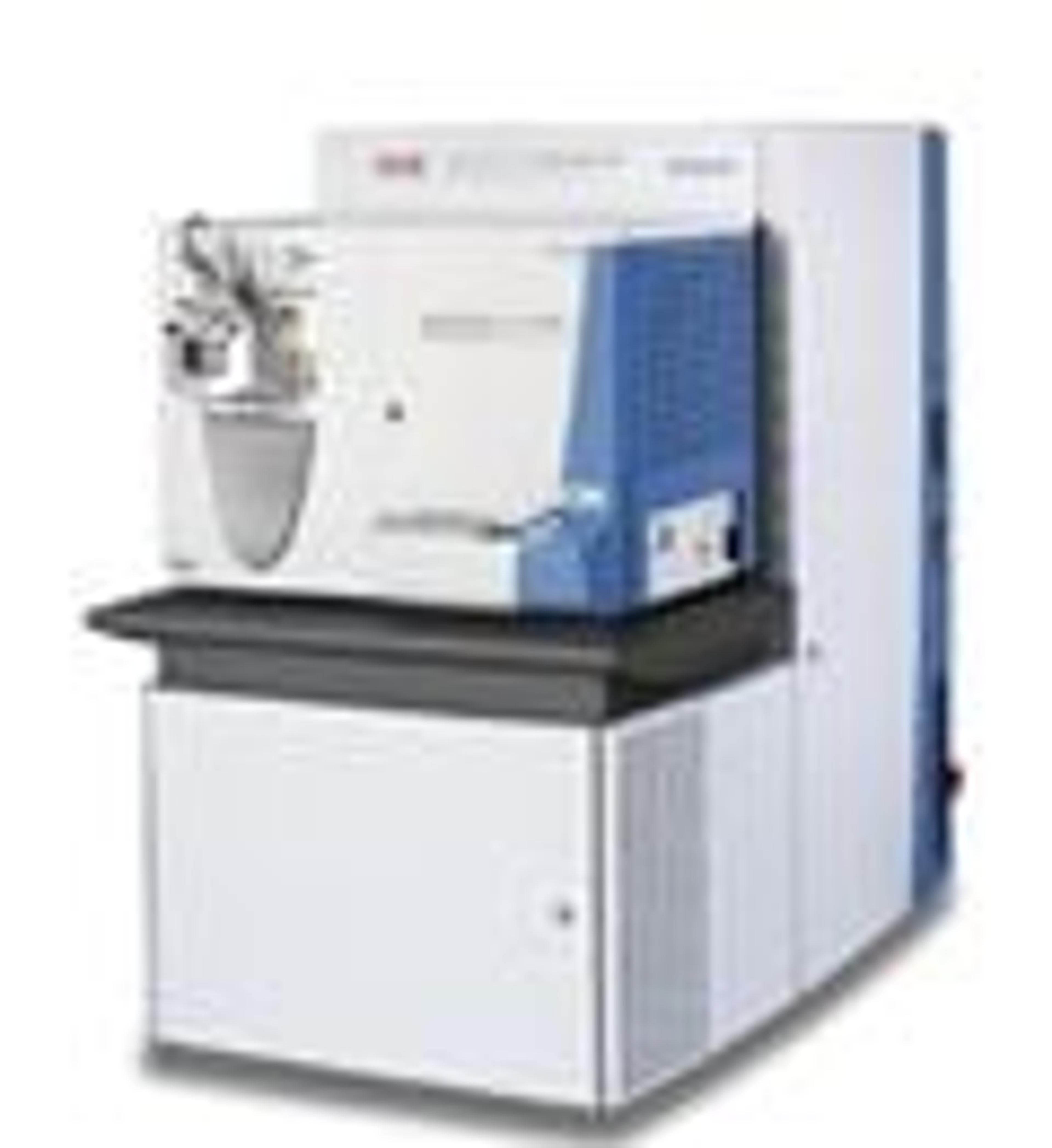
Thermo Scientific LTQ Orbitrap XL

Thermo Fisher Scientific

Thermo Scientific LTQ Orbitrap XL - The Most Confident Protein Identification The Thermo Scientific LTQ Orbitrap XL hybrid FTMS (Fourier Transform Mass Spectrometer) supports a wide range of applications from routine compound identification to the most challenging analysis of low level components in complex mixtures. The LTQ Orbitrap XL is based on the fast and highly sensitive Thermo Scientific LTQ XL linear ion trap and the patented Orbitrap* technology. The LTQ Orbitrap XL features a new HCD collision cell for ultimate flexibility in fragmentation experiments for advanced proteomics and small molecule research. Key features of the Thermo Orbitrap XL include: Outstanding Mass Accuracy, Resolution, Dynamic Range and Sensitivity • Featuring the new HCD collision cell for ultimate flexibility in fragmentation experiments for advanced proteomics and small molecule research • Superior mass accuracy for lower false positive rates (FPRs) • Parallel acquisition mode for optimized productivity From Protein ID to Biomarker Discovery with the Thermo LTQ Orbitrap• Excellent sensitivity and fragmentation efficiency • Reliable identification and quantitation in one experiment High quality data from the LTQ Orbitrap XL for reliable de novo sequencing • Superior mass accuracy and high resolution leading to confident de novo sequencing results • Multiple collision modes (CID and HCD) for comprehensive structural information

(28)

Tags

Mass SpectrometryMass spectrometry (MS) is a powerful analytical technique used to identify and quantify molecules based on the mass-to-charge ratio of gas-phase ions. It provides detailed information about the structure, composition, and properties of compounds and is widely used across fields such as environmental monitoring, materials science, drug discovery and development, food and beverage testing, and wider chemical research. Key MS techniques include tandem mass spectrometry (MS/MS), liquid chromatography–mass spectrometry (LS-MS) and inductively coupled plasma (ICP-MS). Choosing from these wide range of techniques and technologies can be a daunting task, so keep up to date with scientific applications, performance expectations, and customer reviews here all in one place. Visit our product directory to receive quotes direct from the manufacturer. Genome AnalysisGenomics, the study of genomes, includes functional genomics, evolutionary genomics and comparative genomics. There are many genomic technologies such as DNA sequencing of whole genomes, computational biology and bioinformatics. DNA and nucleic acids must be isolated and concentrated from cells for analysis with kits, automated analyzers and software. Other useful technologies for studying genomics include PCR, microarrays and electrophoresis.ProteomicsProteomics is the systemic bioinformatics study of proteins and amino acids, including their structure, size, function and identification. Tools used in proteomics include chromatography, blotting and gels, protein arrays, mass spectrometry and ELISA and associated analysis software. Analyzers and proteomic systems should be sensitive, high resolution, fast and may be automated for high-throughput.MicrobiologyMicrobiology is the study of microorganisms including protists, prokaryotes, fungi, and, often, viruses. Microorganisms are a useful research tool as genetic vectors and, in immunology, for antibiotic susceptibility testing, cellular biology and genetics. Microorganisms commonly grow readily in incubators with microbial culture media; this can contain chromogenic supplements to differentiate between cell lines. Estimate your culture’s density of microorganisms with colony counters, or screen and select colonies for desirable clones with automated colony pickers. Additionally, equipment is available to monitor environments for the presence of microbes and identify with microbial identification instruments. Find the best microbiology products in our peer-reviewed product directory: compare products, check customer reviews and receive pricing direct from manufacturers.DNA SequencingDNA sequencing, such as sanger sequencing, is a biological technique that determines the precise order of nucleotide bases in a fragment or template of DNA. DNA sequencers and genetic analyzers are based on capillary electrophoresis, where labeled DNA fragments are electrophoretically separated by size as they migrate through a polymer. Find the best DNA sequencing products, including DNA sequencing kits, genomic libraries and genetic identity kits in our peer-reviewed product directory: compare products, check customer reviews and receive pricing direct from manufacturers.Protein PurificationProtein purification is a vital step in drug discovery, therapeutics, biotech and life science research. The purification process typically involves subcellular or membrane protein extraction with cell lysis kits, separation of proteins from cell debris by filtration or spin columns, and the isolation of proteins of interest from other proteins and impurities with affinity purification (including fusion protein tags and antibody binding proteins A, G and L), immunoprecipitation or chromatographic methods, such as ion exchange, size exclusion and immobilized metal affinity chromatography. All purification methods come in multiple formats for your laboratory needs, including agarose or magnetic beads, resins, columns and filter plates. Find the best protein purification equipment in our peer-reviewed product directory: compare products, check customer reviews and receive pricing direct from manufacturers.BiomarkersBiomarkers are biological markers which can be measured and evaluated to indicate a biological state. The use of biomarkers in research and diagnosis can indicate a normal or disease state or drug response of cells / tissues. Biomarkers include genetic markers, cell surface markers such as antigens, antibodies or receptors and secreted molecules such as cytokines. An assay system is required for identification of biomarkers. :