Thermo Fisher Scientific and First Genetics JCS partner to develop next-generation sequencing-based diagnostics

The agreement allows First Genetics to bring its F-Genetics NGS system and in vitro diagnostic assays for reproductive health testing to Russian labs

14 Jul 2020

Diane Li
Assistant Editor

Industry news

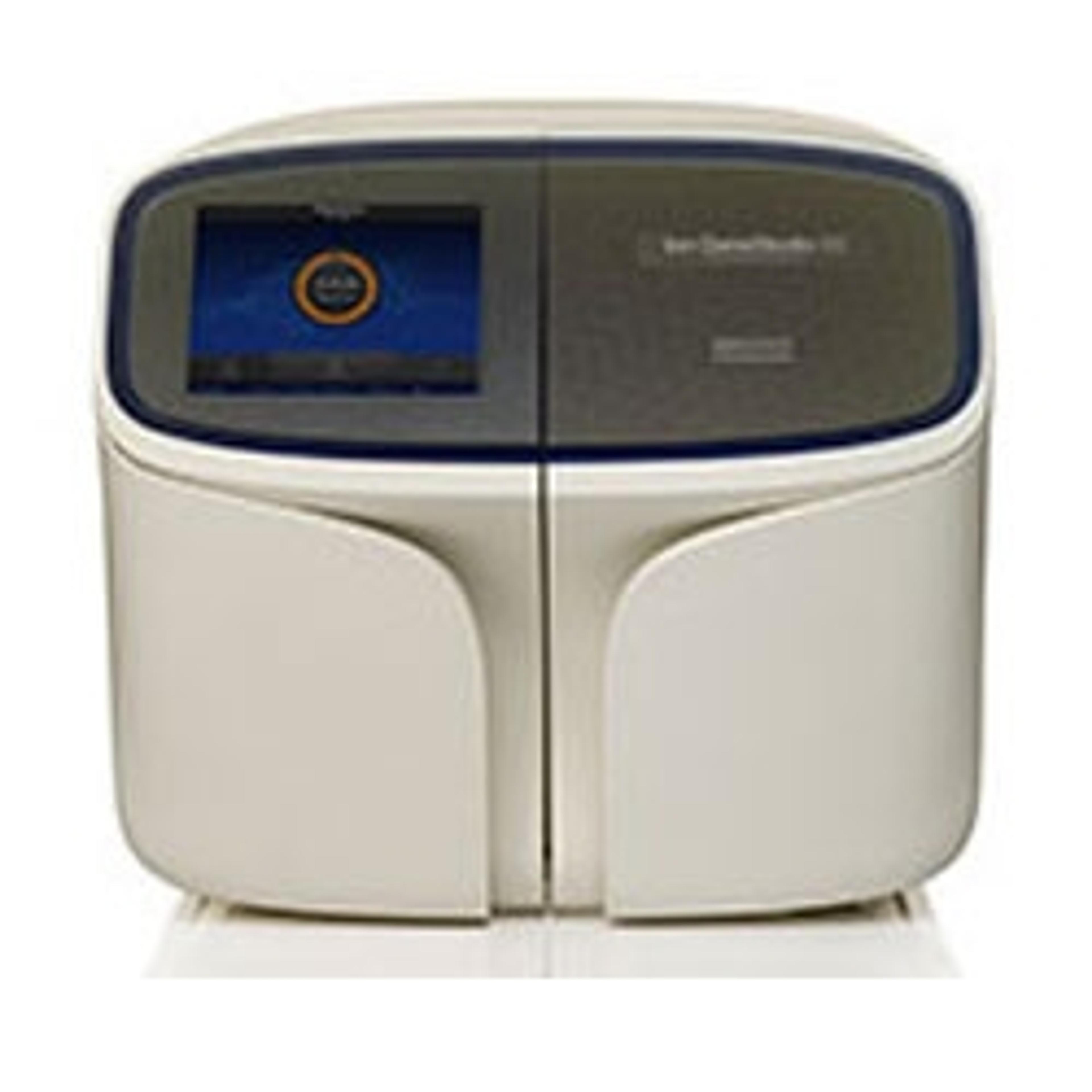
Thermo Fisher Scientific and First Genetics JCS, a manufacturer of diagnostic equipment and IVD kits intended to advance molecular genetic technologies into clinical practice, today announced a strategic partnership focused on commercializing next-generation sequencing (NGS)–based diagnostics in Russia. The agreement enables First Genetics to market its F-Genetics NGS System and IVD assays to Russian labs for reproductive health testing and cancer diagnostics. The F-Genetics System is based on Thermo Fisher's Ion GeneStudio S5 System.

First Genetics has already received its first registration certificate for an IVD kit by Roszdravnadzor, the Russian medical device regulatory agency. The company's Reproline kit is now approved for detecting chromosomal abnormalities in embryos on the F-Genetics NGS System prior to IVF implantation. While IVF is now government-funded as part of Russia's policy to help boost the national birth rate, preimplantation genetic testing for aneuploidies (PGT-A) had not previously been certified in Russia. The certification now enables Russian prenatal centers, which have doubled in number over the last decade, to leverage PGT-A.

"High-throughput technologies for genetic analysis are the future of molecular diagnostics," said Nikolai Kuznetsov, CEO, First Genetics. "Today we have expanded applications of NGS into reproductive medicine in Russia, and in the future, we intend to offer clinically certified solutions for other clinical applications, such as oncology testing. This is our contribution to the development of clinical diagnostics in Russia."

Thermo Fisher has entered into a number of agreements with assay developers like First Genetics to expand the use of NGS-based molecular diagnostics in the clinic and to advance precision medicine globally. Similar partnerships with other organizations have led to approvals by regulatory agencies in China, the United States and Europe.

"It is our mission to help bring molecular testing to all parts of the world so those who need it most can benefit from the genetic information next-generation sequencing provides," said Yan Zhang, general manager, reproductive health at Thermo Fisher. "We are pleased that couples in Russia now have access to First Genetics' solutions to assist in family planning and reduce the emotional burdens they face while undergoing fertility treatment."

Want more of the latest science news straight to your inbox? Become a SelectScience member for free today>>

Ion GeneStudio S5 Series

Thermo Fisher Scientific

Achieve speed and throughput flexibility across a broad range of next-generation sequencing (NGS) applications with the Ion GeneStudio™ S5 series of benchtop NGS systems from Thermo Fisher Scientific.

(4)

Links

Tags

Data AnalysisData analysis hardware and software is available to make data processing straight-forward yet powerful. Data software can be used for math and stats, technical graphing and image analysis. In addition, software is available for specific data analysis of electrophoresis, densitometry, ELISA and DNA sequencing.HematologyIn Haematology / Hematology, complete blood cell counts (or full blood counts) are obtained using automated blood count analyzers to enumerate blood cell types.  Hematology also encompasses haemostasis and coagulation, thrombophilia and hemophilia, plasma viscosity and ESR analysis, hemoglobinopathies, cell morphology and haematinic measurement.Cellular PathologyCellular Pathology deals with the microscopic analysis of tissue samples and cells. Sample preparation and processing includes fixation, staining, sectioning and slide mounting, using equipment such microtomes and cryostats. In choosing immunohistochemistry and immunocytochemistry kits, consider chromogens, staining method, antibodies, microscopes and imaging.Biopharmaceutical AdvancesBiopharmaceutical advances follow the development of pharmaceuticals derived from biotechnology, also known as biotechnology medicines. Biopharmaceuticals may be produced from cell lines, plants, or microbial cells. Important considerations of biopharmaceutical use include application, cost, production process and purification.Clinical TrialsClinical Trials, an essential part of drug discovery process, assess the safety and effectiveness of a new medication or device in the pharmaceutical industry. Clinical Trials are a phased process (Phase 0, Phase I, Phase II, Phase III and Phase IV) which begins after initial preclinical testing.Clinical ChemistryBiochemistry (or clinical chemistry) involves the analysis of bodily fluids using chemical tests. Techniques used include HPLC, chromatography, spectroscopy, mass spectrometry, immunochemical, electrophoresis, turbidometric / spectrophotometric assay, MRI and ISE analysis. Tests are often carried out on plasma or serum but urine (urinalysis) and fecal specimens are also processed.Clinical GeneticsMolecular Genetics covers the analysis of hereditary genetic disease and chromosomal abnormalities. Genetics can be analysed using DNA, RNA, and protein microarrays, PCR, RT PCR and DNA sequencing. Genetic equipment includes genetic workstations, thermal cyclers, cooling blocks and electrophoresis products. Diagnostic kits are used for DNA / RNA extraction and purification.Clinical MicrobiologyMicrobiology is the study of microorganisms including protists, prokaryotes, fungi, and, often, viruses. Microorganisms are a useful research tool as genetic vectors and, in immunology, for antibiotic susceptibility testing, cellular biology and genetics. Microorganisms commonly grow readily in incubators with microbial culture media; this can contain chromogenic supplements to differentiate between cell lines. Estimate your culture’s density of microorganisms with colony counters, or screen and select colonies for desirable clones with automated colony pickers. Additionally, equipment is available to monitor environments for the presence of microbes and identify with microbial identification instruments. Find the best microbiology products in our peer-reviewed product directory: compare products, check customer reviews and receive pricing direct from manufacturers.Next Generation SequencingNext-generation sequencing (NGS), also known as whole-genome sequencing, high-throughput sequencing and massive parallel sequencing, produces and analyses thousands to millions of nucleotide sequences at once. Sequencing systems operate via varying technologies depending on the manufacturer, including sequencing by synthesis, ligation, pyrosequencing, ion semiconductor and single-molecule real-time sequencing. For NGS, library preparation is paramount to successful sequencing. In this section, explore a range of library preparation kits, from targeted, amplicon-based or hybridization-based kits including epigenomic, transcriptomic and genomic workflows to fragmentation kits. Find the best next-generation sequencing products in our peer-reviewed product directory: compare products, check customer reviews and receive pricing direct from manufacturers.Drug DeliveryDrug Delivery refers to dosage form, route of administration, formulations, technologies, and systems for transporting a pharmaceutical compound in the body as needed to safely achieve its desired therapeutic effect. Drug delivery is often approached via the biopharmaceutical or small molecule drug's formulation, but it may also involve medical devices or drug-device combination products. Considerations include instrumentation, software and services. RegulatoryPharmaceutical regulations impact on all areas of drug development, manufacture and control and supply. Services are provided from the early stages of drug development and clinical trials through to dossier submission, approval and marketing. Regulatory also includes submission of analytical studies from the pharmaceutical product and safety. Cancer DiagnosticsThere are a wide variety of diagnostic tests for cancer available, and this range continues to expand as our knowledge of cancer improves. Current diagnostic methods include biopsy, imaging and blood tests for known biomarkers. New methods in research development include liquid biopsies and cancer breathalyzers.Clinical ChemistryClinical chemistry involves the analysis of bodily fluids, like blood and urine, to diagnose and monitor diseases. Tests in clinical chemistry provide critical information for patient care and treatment decisions. Explore clinical chemistry tools in our peer-reviewed product directory; compare products, check reviews, and get pricing directly from manufacturers.Molecular DiagnosticsMolecular diagnostics use an individual’s genetic code and gene expression to diagnose and monitor diseases. The technique is used increasingly in the field of infectious diseases and oncology, as well as areas such as coagulation, HLA typing and pharmacogenomics. Molecular diagnostics plays a pivotal role in personalized medicine.