
Thermo Fisher announces collaborations to meet unmet clinical needs in biomarker discovery and characterization
Agreements with AstraZeneca and the University of Nebraska Medical Center showcase new workflows to improve the throughput, robustness and standardization of clinical biomarker analysis
13 Sept 2020
Industry news
Thermo Fisher Scientific, the world leader in serving science, has announced new collaborations of the Thermo Fisher Precision Medicine Science Center (PMSC) with AstraZeneca and the University of Nebraska Medical Center as part of its ongoing development of innovative solutions for unmet needs in clinical biomarker discovery. The new alliances strengthen the PMSC's mission of creating standardized workflows with pharma and academic partners to streamline the transition from biomarker research to clinical implementation, creating new opportunities for precision medicine.
Ongoing and planned studies with both AstraZeneca and the University of Nebraska Medical Center will utilize standardized plasma protein profiling workflows, including Thermo Fisher's newly developed ultra-high throughput plasma protein profiling (uHTPPP) workflow, for biomarker discovery, for a range of conditions. The standardized workflows consist of automated sample preparation for untargeted and targeted methods in combination with the Thermo Scientific Orbitrap Exploris 480 and Thermo Scientific Orbitrap Exploris 240 mass spectrometers.
"Precision medicine is becoming a greater area of interest across a range of different diseases and has, therefore, faced challenges effectively scaling to meet clinical needs," said Emily Chen, senior director, Precision Medicine Science Center, Thermo Fisher Scientific. "The goal of the Precision Medicine Science Center is to construct end-to-end workflow solutions that generate impactful data from discovery studies with large human cohorts and to harness the power of molecular profiling to improve the outcomes of patient care. Our ongoing work with AstraZeneca and the University of Nebraska Medical Center are paramount to realizing the potential of these technologies."
Ventzi Hristova, senior scientist, dynamic omics, antibody discovery and protein engineering, R&D at AstraZeneca, said, "Powered by technological innovation, omics is proving to be one of the richest sources of data in all of science. Clinical proteomics is an emerging field aimed at improving patient care through the development of sensitive, high-throughput methods for in-depth proteomic characterization of clinical samples. This collaboration aims to evaluate and establish a model for clinical proteomics, using advanced sample processing and downstream analytical applications, that has the potential to help us identify new drug targets and biomarkers."
Subsequently, The University of Nebraska Medical Center is collaborating with Thermo Fisher's PMSC to utilize the company's standardized plasma protein profiling workflows to analyze clinical samples in an aneurysm study. The study is supported by the National Institutes of Health-National Institute on Aging (NIH-NIA) and done in collaboration with Vanderbilt University, the University of Maryland and the University of Wisconsin.
Merry Lindsey, Ph.D., chair and stokes-shackleford professor, department of cellular and integrative physiology, director, center for heart and vascular research, University of Nebraska Medical Center, said, "Thermo Fisher's mass spectrometry platform and workflow will allow us to analyze a large cohort of plasma samples and answer highly significant clinical questions. As a cardiovascular physiologist and proteomics expert, I am a bridge between mass spectrometry analyses and the clinical world and am very interested to see the results from this collaboration."
Bernard Timothy Baxter, MD, professor, department of surgery division of vascular surgery, University of Nebraska Medical Center, who is leading the NIH-NIA aneurysm study said, "There is a drastic need for this type of technology that can produce better indicators/blood tests and can tell us who has an undiagnosed aneurysm, and which aneurysms are likely to progress rapidly and need closer observation. Clinically, the current treatment plan for abdominal aortic aneurysms is to watch and wait. We image and when aneurysms reach a certain size threshold, we surgically repair them. Unfortunately, there are a number of patients who first realize there is a problem when they present with a ruptured aneurysm — the mortality in this situation exceeds 50%."
Want more of the latest science news straight to your inbox? Become a SelectScience member today for free today>>
Related products
Request Quote for All Products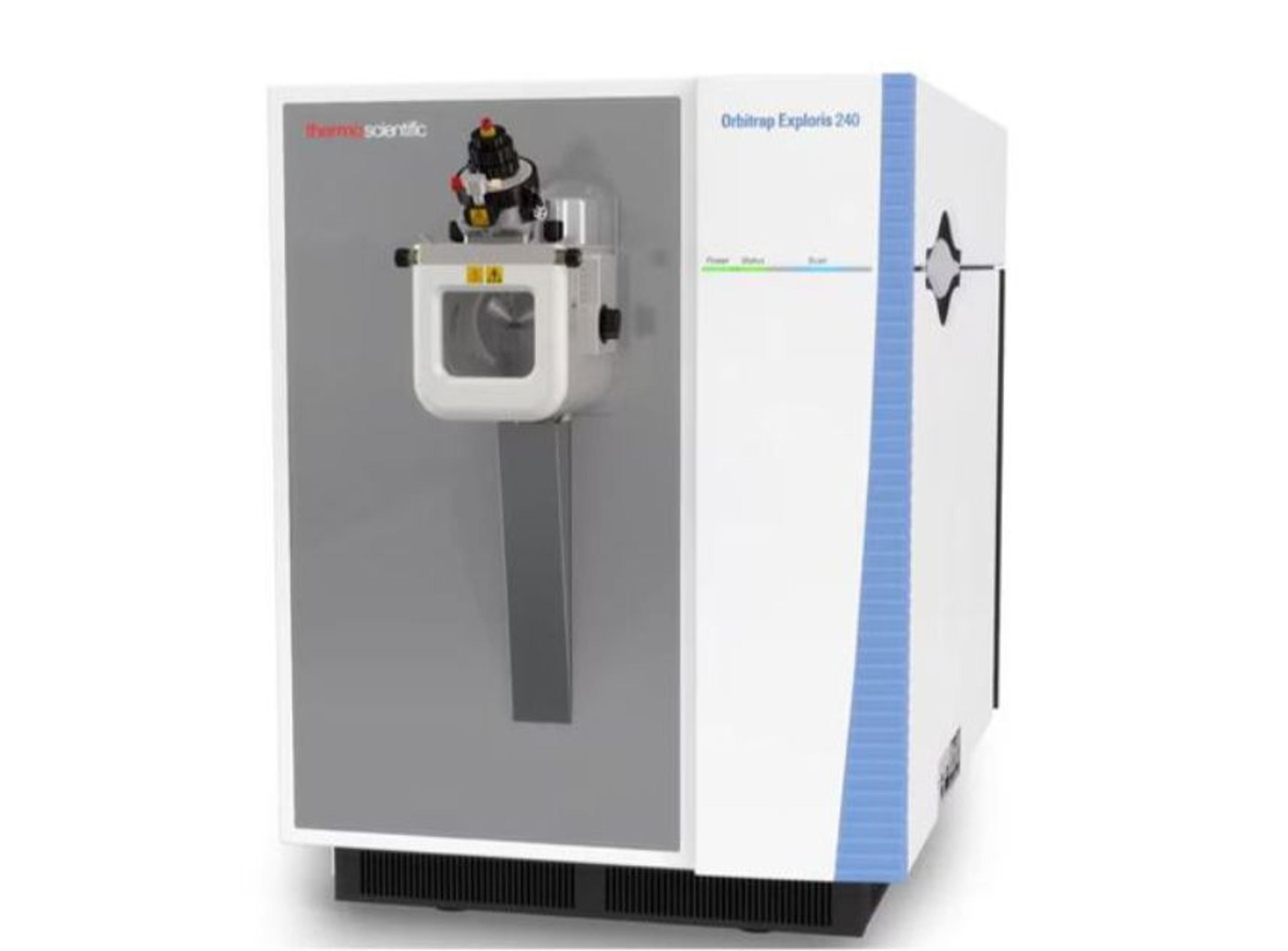
Thermo Scientific™ Orbitrap Exploris™ 240 mass spectrometer
Thermo Fisher ScientificWith leading performance, application versatility, and operational simplicity, the Thermo Scientific™ Orbitrap Exploris™ 240 mass spectrometer fast tracks your path to high-confidence discovery and identification.
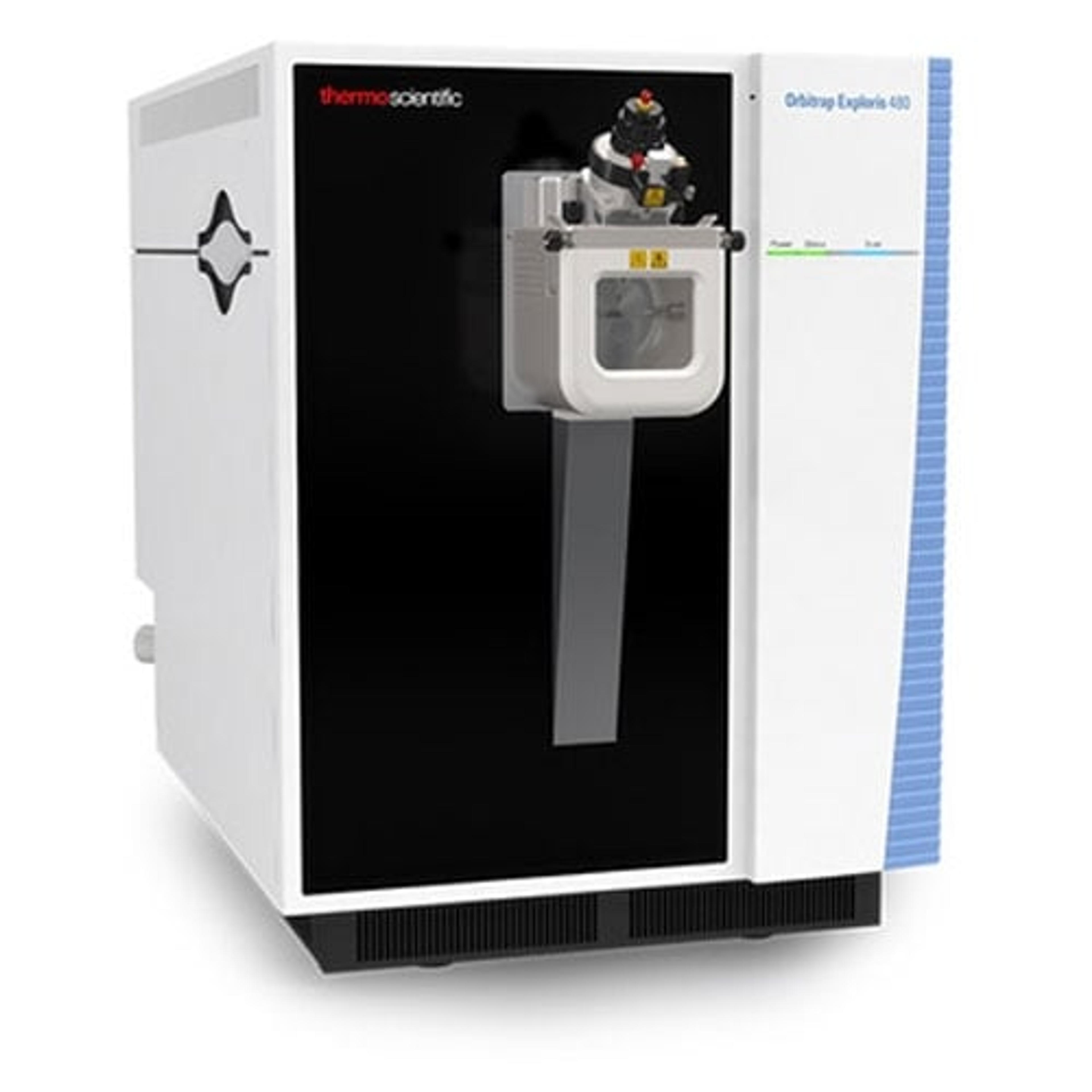
Thermo Scientific™ Orbitrap Exploris™ 480 mass spectrometer
Thermo Fisher ScientificEmpowering life science researchers to translate each step to a new level of insight with a next generation ownership experience coupled with an intelligence-driven experimental approach. With the Thermo Scientific Orbitrap Exploris 480 mass spectrometer you'll find market leading quantitative performance to solve your most complex challenges with ease, and the proven qualitative performance you expect.