The University of Oxford and Thermo Fisher Scientific ramp up COVID-19 testing capability

The collaboration aims to secure manufacturing and testing capacity in the next phase of the pandemic

19 Nov 2020

Diane Li
Assistant Editor

Industry news

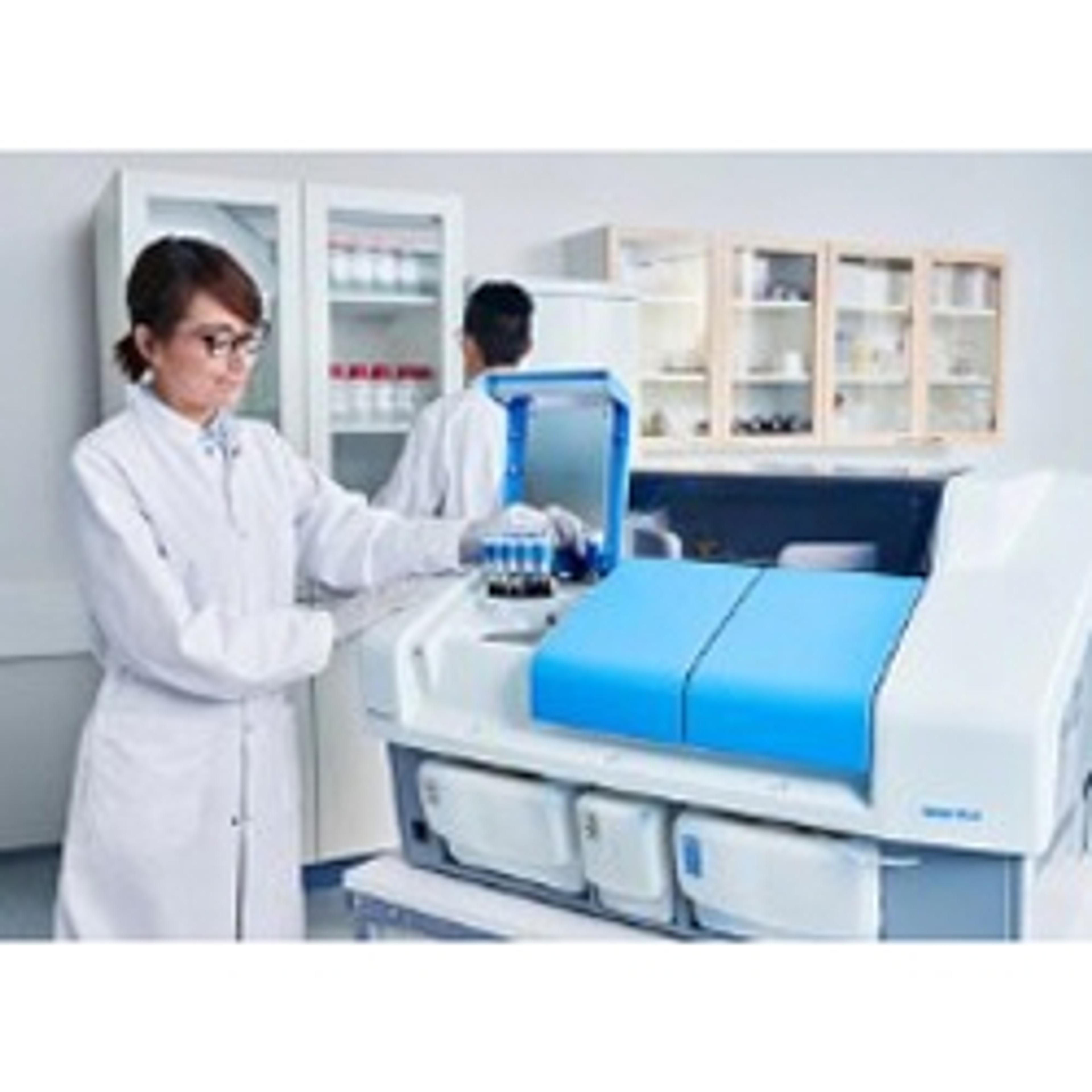
The University of Oxford has joined forces with Thermo Fisher Scientific, the world leader in serving science, to ramp up the university’s capacity to deliver COVID-19 testing data. The new rapid testing laboratory and jointly developed Thermo Scientific OmnipathTM Combi SARS-CoV-2 IgG ELISA test detects and quantifies antibodies against the coronavirus and increases the University of Oxford’s testing capacity to up to 50,000 tests per day.

Dr. Richard Cornall, Professor of Clinical Medicine and Head of the Nuffield Department of Medicine at the University of Oxford said: “The collaboration is one of a number of projects that we’ve been codeveloping with Thermo Fisher and is particularly important because it secures manufacturing and testing capacity that is important for the UK in the next phase of the pandemic.”

Oxford researchers are already using the new fully automated testing platform to provide weekly UK wide data for the Office of National Statistics as part of the national COVID-19 Infection Survey. In addition, the equipment further enhances Oxford’s capacity to quantify the response to vaccines accurately and on a large scale as part of our ongoing clinical trials of the Oxford coronavirus vaccine to assess vaccine performance.

Dr. Sarah Walker, Professor of Medical Statistics and Epidemiology at the University of Oxford and Chief Investigator of the National COVID-19 infection survey said: “Using this test within the COVID-19 Infection Survey will allow us to answer vital questions about the role of previous infection, and varying levels of antibody response to previous infection, in protecting people from getting infected again in the future, as we follow individuals over the course of a year, repeatedly testing them for both virus and antibodies.”

The Thermo Scientific OmnipathTM Combi SARS-CoV-2 IgG ELISA is designed to run on an open instrument platform (subject to the necessary regulatory approvals and clearances), reporting a quantitative anti-Spike ELISA, which will be a measure of IgG antibodies to the SARS-CoV-2 Spike protein of the novel coronavirus to identify previous infection. The determination of antibody status aids in the diagnosis and surveillance of the disease during the acute and recovery stages of infection.

Mark Stevenson, Executive Vice President and Chief Operating Officer at Thermo Fisher Scientific, said: “Our ongoing partnership with Oxford University is key to enabling rapid scaling of novel diagnostics as we expand our COVID-19 response. Combining the academic research capabilities of world recognized scientists at Oxford University with our UK based development and manufacturing facility in Dartford, Kent has expanded our serology portfolio to assist in the epidemiology of COVID-19. Having quantitative data on neutralizing antibodies will enable better understanding of the immune response following exposure to the COVID-19 virus and support monitoring of the effectiveness of vaccines as they become available.”

Do you use Thermo Fisher Scientific products in your lab? Write a review today for your chance to win a $400 Amazon gift card>>

Indiko™ Plus Clinical Chemistry System

Thermo Fisher Scientific

Experience an uncompromised level of performance and ease of use with the Thermo Scientific™ Indiko™ Plus Clinical and Specialty Chemistry analyzer. This fully-automated random access benchtop system for clinical and specialty chemistry testing, combined with system reagents and consumables form a fully-supported, complete system solution offering confidence to daily work.

(4)

Power SYBR® Green PCR Master Mix

Thermo Fisher Scientific

Obtain superior sensitivity and reproducibility without compromising any performance parameters in your real-time, quantitative PCR experiments. Power SYBR® Green PCR Master Mix has a new look! The new pouch design eliminates excess packaging materials, resulting in 72% less material than the carton with platform & label. The master mix inside the pouch is unchanged.

(6)

Links

Tags

AntibodiesAntibodies are used in techniques such as confocal and fluorescence microscopy, flow cytometry, ELISA, ELISPOT, immunohistochemistry, western blotting and immunopreciptation. Select specific antigen reactivity, high specific affinity, low non-specific binding, monoclonal or polyclonal, primary or secondary antibodies and associated conjugates such as an enzyme or dye for visualization.ELISAEnzyme-linked immunosorbent assays (ELISA), also known as enzyme immunoassays (EIA), are used for the detection and quantification of proteins, peptides and antibodies in a sample. ELISA often comes in kit format, with pre-selected antibody pairs to detect specific proteins or biomarkers of diseases such as diabetes and obesity, or cardiovascular and neurological disorders. Detection is made possible with chemiluminescent, fluorescent or colorimetric substrates and detection instruments such as microplate / ELISA readers. Other kits available include: Enzyme-linked immunospot (ELISPOT) assays for the quantification of protein-producing cells and chemiluminescent immunoassays (CLIA) kits. Find the best ELISA kits and products in our peer-reviewed product directory: compare products, check customer reviews and receive pricing direct from manufacturers.Data AnalysisData analysis hardware and software is available to make data processing straight-forward yet powerful. Data software can be used for math and stats, technical graphing and image analysis. In addition, software is available for specific data analysis of electrophoresis, densitometry, ELISA and DNA sequencing.ImmunologyImmunological techniques measure and characterize immune responses. Immunology kits and analysis systems often use techniques such as ELISA, radioimmunoassay (RIA) and immunodiffusion assays, Immunohistochemistry, and flow cytometry. Immunologists use equipment such as flow Cytometers, plate readers, plate washers and fluorescent microscopes.Cellular PathologyCellular Pathology deals with the microscopic analysis of tissue samples and cells. Sample preparation and processing includes fixation, staining, sectioning and slide mounting, using equipment such microtomes and cryostats. In choosing immunohistochemistry and immunocytochemistry kits, consider chromogens, staining method, antibodies, microscopes and imaging.Point-of-CarePoint-of-Care Testing (POCT) or Near Patient Testing (NPT) products are available for urine, blood and other clinical chemistry analyses. POCT includes: blood glucose testing, blood gas and electrolytes analysis, rapid coagulation testing (PT / INR), rapid cardiac markers diagnostics, drugs of abuse screening, urine strips testing, pregnancy testing, fecal occult blood analysis, food pathogens screening, hemoglobin diagnostics, infectious disease testing and cholesterol screening.Clinical TrialsClinical Trials, an essential part of drug discovery process, assess the safety and effectiveness of a new medication or device in the pharmaceutical industry. Clinical Trials are a phased process (Phase 0, Phase I, Phase II, Phase III and Phase IV) which begins after initial preclinical testing.Clinical ChemistryBiochemistry (or clinical chemistry) involves the analysis of bodily fluids using chemical tests. Techniques used include HPLC, chromatography, spectroscopy, mass spectrometry, immunochemical, electrophoresis, turbidometric / spectrophotometric assay, MRI and ISE analysis. Tests are often carried out on plasma or serum but urine (urinalysis) and fecal specimens are also processed.Clinical GeneticsMolecular Genetics covers the analysis of hereditary genetic disease and chromosomal abnormalities. Genetics can be analysed using DNA, RNA, and protein microarrays, PCR, RT PCR and DNA sequencing. Genetic equipment includes genetic workstations, thermal cyclers, cooling blocks and electrophoresis products. Diagnostic kits are used for DNA / RNA extraction and purification.Clinical MicrobiologyMicrobiology is the study of microorganisms including protists, prokaryotes, fungi, and, often, viruses. Microorganisms are a useful research tool as genetic vectors and, in immunology, for antibiotic susceptibility testing, cellular biology and genetics. Microorganisms commonly grow readily in incubators with microbial culture media; this can contain chromogenic supplements to differentiate between cell lines. Estimate your culture’s density of microorganisms with colony counters, or screen and select colonies for desirable clones with automated colony pickers. Additionally, equipment is available to monitor environments for the presence of microbes and identify with microbial identification instruments. Find the best microbiology products in our peer-reviewed product directory: compare products, check customer reviews and receive pricing direct from manufacturers.Drug DeliveryDrug Delivery refers to dosage form, route of administration, formulations, technologies, and systems for transporting a pharmaceutical compound in the body as needed to safely achieve its desired therapeutic effect. Drug delivery is often approached via the biopharmaceutical or small molecule drug's formulation, but it may also involve medical devices or drug-device combination products. Considerations include instrumentation, software and services. RegulatoryPharmaceutical regulations impact on all areas of drug development, manufacture and control and supply. Services are provided from the early stages of drug development and clinical trials through to dossier submission, approval and marketing. Regulatory also includes submission of analytical studies from the pharmaceutical product and safety. CollaborationMolecular DiagnosticsMolecular diagnostics use an individual’s genetic code and gene expression to diagnose and monitor diseases. The technique is used increasingly in the field of infectious diseases and oncology, as well as areas such as coagulation, HLA typing and pharmacogenomics. Molecular diagnostics plays a pivotal role in personalized medicine.Vaccine DevelopmentVaccine development focuses on creating immunizations to protect against infectious diseases. The process involves identifying antigens, developing and testing vaccine efficacy, and ensuring safety through preclinical testing and multiple clinical trial phases. Scientists use various approaches, including weakened or inactivated viruses, protein subunits, or mRNA. Advanced platforms and rapid diagnostic tools aid in vaccine research and testing. Explore vaccine development solutions in our peer-reviewed product directory; compare products, read reviews, and get pricing directly from manufacturers.