The University of Colorado Boulder, USA, Combines Raman Spectroscopy and Nanoindentation for Improved Materials Characterization

15 May 2016
Alex Waite
Editorial Assistant

Product news

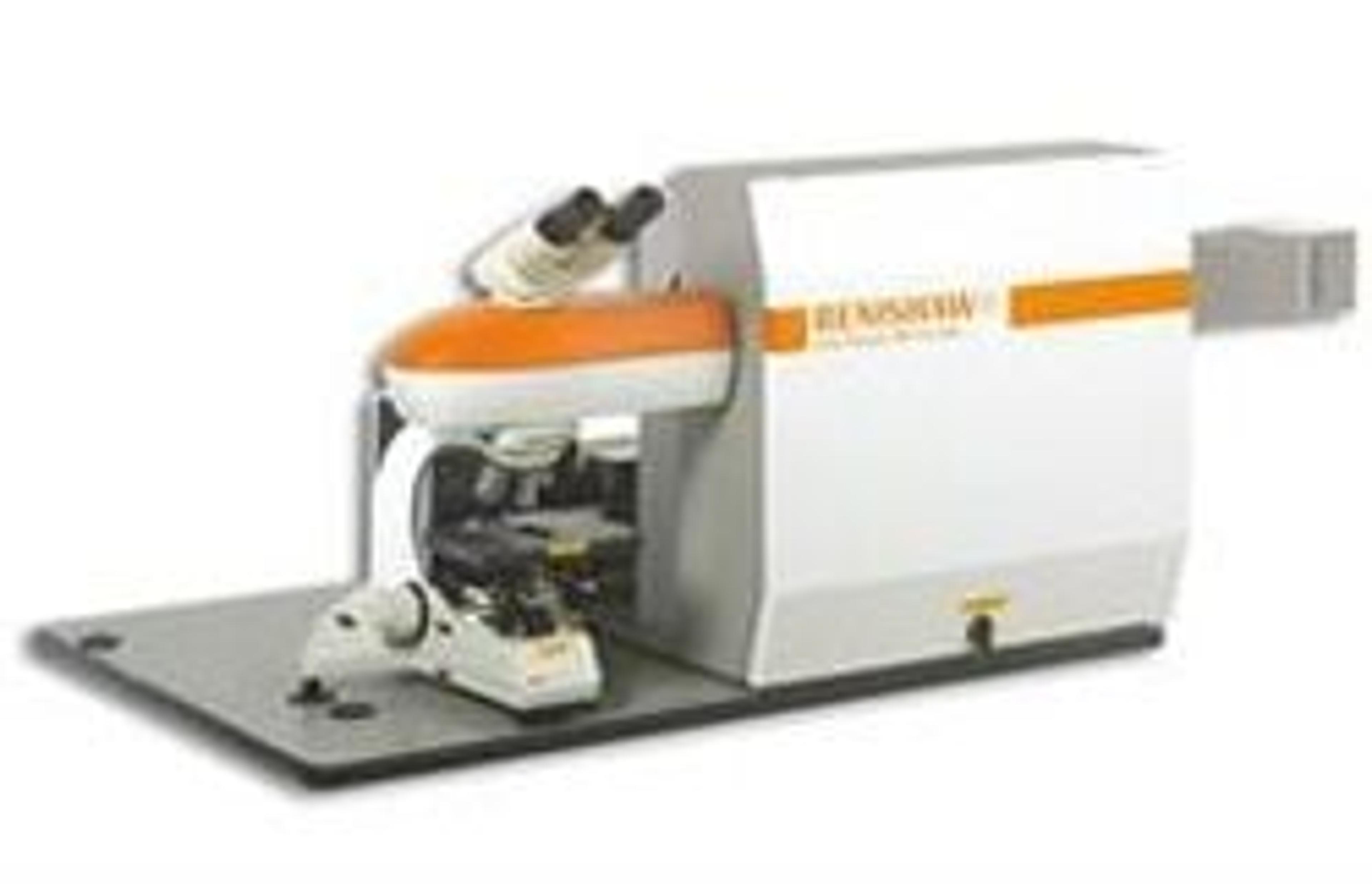
The Biomechanics and Biomimetics Research Laboratory at the University of Colorado Boulder uses a Renishaw inVia™ confocal Raman microscope to characterize biological tissues and biomaterials.

The system has been interfaced with a nanoindenter system from Hysitron Inc, Minneapolis, USA, to provide combined chemical and mechanical information on samples.

Professor Virginia (Ginger) Ferguson is an Associate Professor of Mechanical Engineering at the University of Colorado who focuses on the mechanical behaviour, and underlying materials science, of biological tissues and biomaterials. Her group investigates the local mechanical properties of materials that are biological, biomimetic or used in biological tissue replacement (e.g. for tissue repair and regeneration), correlating these properties with chemical and structural information obtained from Raman and other techniques.

More specifically, Professor Ferguson’s research emphasises: the experimental study and finite element modelling of native osteochondral (bone-cartilage) tissues and of materials for osteochondral tissue regeneration; bone tissue properties in mouse models that are affected by unloading and microgravity, aging, and/or metabolic disease (e.g. kidney disease); and tissues involved in successful pregnancy outcomes in humans (e.g., the cervix and chorioamnion—the ‘amniotic sac’).

The group has developed protocols and analytical solutions to collect and evaluate nanomechanical property measurements of bone, calcified cartilage and soft tissues (e.g. cartilage). They also evaluate collagen fibril orientation and alignment using secondary harmonic generation imaging and evaluate mineral volume fraction in mineralized tissues using quantitative backscattered electron imaging. The team collaborates with other groups to test materials for a wide range of engineering applications including materials for batteries/energy storage, microelectro-mechanical systems (MEMS) devices, advanced polymers and other complex material systems which makes it a varied and interesting laboratory to work in.

Pairing Renishaw’s inVia Raman microscope with the nanoindenter from Hysitron results in a combined instrument that provides a greatly enhanced characterisation capability, complementing existing spectroscopies. Professor Ferguson said, “This unique system provides the capability to investigate mechanical properties and mechanical behaviours in parallel with imaging the chemical constituents within the materials being tested at exactly matched sites / locations with ~1 µm resolution. We use the information on a material’s chemistry to elucidate changes in mechanical properties or to explain mechanical properties within single sites or when mapping over 2D regions. Moreover, mapping reveals gradients or heterogeneity of material chemistry and crystal structure. We can also uniquely evaluate chemical changes that occur following pressure induced phase transformations (that could be applied by nanoindentation, for example).”

Professor Ferguson continued, “The inVia offers a degree of customization that is not available on other systems. More importantly, we like the manner in which the inVia collects Raman spectra compared to other systems. We are the first to have joined the Hysitron nanoindenter with any Raman spectroscopy tool and have had technical challenges to overcome. I have been exceptionally pleased with the level of customer support we have received from Renishaw during the development of our unique combined instrument. Renishaw has been fantastic to work with.”

inVia Raman microscope

Renishaw plc.

Since being launched, the Renishaw inVia Raman microscope has become the world's best selling research Raman system. The inVia Raman microscope combines simplicity of operation with the high performance and unparalleled flexibility for which Renishaw Raman systems are renowned. inVia Raman microscopes are high-sensitivity systems with integrated research grade microscopes, enabling high resolution confocal measurements. inVia Raman microscopes support multiple lasers, with automatic software switching of excitation wavelength.

(19)

Links

Tags

Sample PreparationSample preparation can improve the quality and speed of separation techniques. Products to assist sample preparation include filtration equipment, evaporators, membranes and sieves.Raman SpectroscopyRaman spectroscopy is used to discern the vibrational and rotational states of molecules and hence the chemical composition of a sample by measuring the inelastic scattering of monochromatic light. Explore a range of Raman spectrometers, including handheld/portable Raman spectrometers for QC/QA labs and in situ spectrometers for processes. Conduct Raman imaging for microanalysis of mixed samples using a Raman microscope. Raman spectrographs are also available. Find the best Raman spectroscopy products in our peer-reviewed product directory: compare products, check customer reviews and receive pricing direct from manufacturers.Cell Adhesion AssaysCell adhesion assays are used to quantitate attachment and analyze the molecular mechanisms for extracellular matrix adhesion, cell migration and sensitivity to inhibitors. Find the best cell adhesion assay equipment in our peer-reviewed product directory: compare products, check customer reviews and receive pricing direct from manufacturers.Cell / Tissue CultureCell culture or tissue culture is used to study the biology of cells or tissues and to isolate cellular products in an environment which can be manipulated and well defined. Accurately control your culture environment with bioreactors or culture incubators, bind your cells to a surface or together with an extracellular matrix. Distinguish cell types with differential media or proliferate cells with certain characteristics using selective media. Enrich your media with supplements such as growth factors, sera and vitamins. Find the best cell and tissue culture products, kits and equipment in our peer-reviewed product directory: compare products, check customer reviews and receive pricing direct from manufacturers.Cell Lines Stem Cells and Primary CellsPrimary cell cultures, established cell lines and stem cells are vital for <i>in vitro</i> and <i>ex vivo</i> experimentation. High-quality cells, optimized for your applications, alongside optimized cell substrates, growth medium and supplements, are critical for experimental success. Explore a range of cells suitable for your applications, including isogenic cell lines, competent cells, induced pluripotent stem cell (iPSC)-derived cell lines, fungal/bacterial/mammalian cell lines, stem cells and cancer cell lines. Find the best cells for your research in our peer-reviewed product directory: compare products, check customer reviews and receive pricing direct from manufacturers.Microplate Readers / DetectorsMicroplate readers are used to automate the detection and analysis of labeled or label-free components in microplates during assays or live-cell monitoring. Microplate readers are generally distinguished by their mode of detection. Types include absorbance, luminescence, fluorescence intensity, fluorescence polarization, TRF / FRET and multimode microplate readers. Microplate readers deliver a high throughput of samples by reading multiple wells simultaneously, with the 96-well format the most commonly used. As a result, microplate readers are often used in the drug discovery, bioassays, research and pharmaceutical industries for screening applications. Microplate loading can also be automated, with robotic microplate stackers to increase throughput. Find the best microplate readers in our peer-reviewed product directory: compare products, check customer reviews and receive pricing direct from manufacturers.Sample ManagementSample management systems include sample storage devices such as freezers and plate storers, sample environment enclosures and sample organization, retrieval and sorter systems. Useful system features include high-throughput, automation, robotic arms, automated liquid handling and associated database systems. Accessories in sample management include barcode scanners, heat sealers and tubes.Microarray AnalysisMicroarrays, also known as biochips, are used for the detection and analysis of multiple genes, proteins, antibodies, or biomarkers on a single microchip. This can reveal information on protein or gene expression, single nucleotide polymorphism (SNP), copy number variation (CNV), epigenetics and patient health in clinical diagnostic tests. Discover a range of microarray scanners and prefabricated antibody, protein, RNA and DNA microarrays for your analysis or consider creating your own custom microarrays with a microarray printer. Find the best microarray products in our peer-reviewed product directory: compare products, check customer reviews and receive pricing direct from manufacturers.Cell-Based AssaysCell-based assays are used to monitor the presence, quantity and activities of a desired cellular analyte including drug molecules or biomarkers. This can reveal information on cell health (apoptosis, cytotoxicity, viability and proliferation assays), cell metabolism, cell migration and cell signaling mechanisms. Find the best cell-based assay products, kits and equipment with our peer reviewed product directory: compare products, check customer reviews and receiving pricing direct from manufacturers.NanotechnologyNanotechnology, or nanotech, is an engineering technique using molecular scale functional systems. Applications of nanotechnology include medicine and medical devices, electronics, air and water purification, food science and energy production.Robotic InstrumentsRobotic instruments can be used for high-throughput automation of many lab processes. Such processes use instruments for assays like cell based assays and ELISA, for sample preparation like shakers, centrifuges and incubators, and for analysis such as sequencing and western blot analyzers. Useful features of robotic instruments include speed, reproducibility, barcode readers, software and automation.Robotic WorkstationsRobotic workstations are automated platforms enabling the user to perform high-throughput, multi-application processes, from sample preparation tasks such as PCR set-up, DNA purification and NGS library preparation, to integrated sample prep and analysis workstations. Automation makes processes consistent, fast, precise and fully walk-away. Find the best robotic workstations in our peer-reviewed product directory: compare products, check customer reviews and receive pricing direct from manufacturers.In Vivo Imaging Systems<i>In vivo</i> imaging systems, including pre-clinical imaging systems and medical imaging systems are used to non-invasively visualize and capture images of live animals and plants. Monitor the natural processes or diseases of your subjects using small-animal pre-clinical imaging systems, including single photon positron emission tomography (SPECT), positron emission tomography (PET), computed tomography (micro-CT), magnetic resonance imaging (MRI), X-ray radiography, ultrasound, fluorescence and bioluminescence imagers. Multimodal systems and software solutions are also available for correlative analysis of organ, tissue, cell, or molecular-level processes. Find the best in vivo imaging products in our peer-reviewed product directory: compare products, check customer reviews and receive pricing direct from manufacturers.Particle CharacterizationParticle characterization instruments are used to determine particle size distribution, shape, surface area, zeta potential, density and porosity of particles and materials. Multiple tecchniques are available for determining particle size, shape and count including dynamic light scattering (DLS), laser diffraction, electrozone (Coulter technique), imaging particle analysis and single particle optical sensing. Determine the density of your material with a gas pycnometer or examine its surface area and porosity with gas adsorption analyzers and mercury porosimeters. Find the best particle characterization instruments in our peer-reviewed product directory: compare products, check customer reviews and receive pricing direct from manufacturers.Mechanical TestingMechanical testing explores the elastic and inelastic nature of a material when force is applied. A mechanical test shows whether a material is suitable for its intended application by measuring hardness, tensile strength, elongation, elasticity, and fatigue limit.
The University of Colorado Boulder, USA, Combines Raman Spectroscopy and Nanoindentation for Improved Materials Characterization