The third edition of the Live-Cell Analysis Handbook published

Latest edition includes two new chapters for scientists who perform cell biology assays

9 Oct 2019
Laura Sisman
Administrator / Office Personnel

Product news

Sartorius has announced publication of its third edition of the Live-Cell Analysis Handbook, a publication for a broad range of scientists who perform cell biology assays as part of their research. Since its launch, it has filled more than 3,500 requests for downloads and hard copies. The latest edition offers two new chapters.

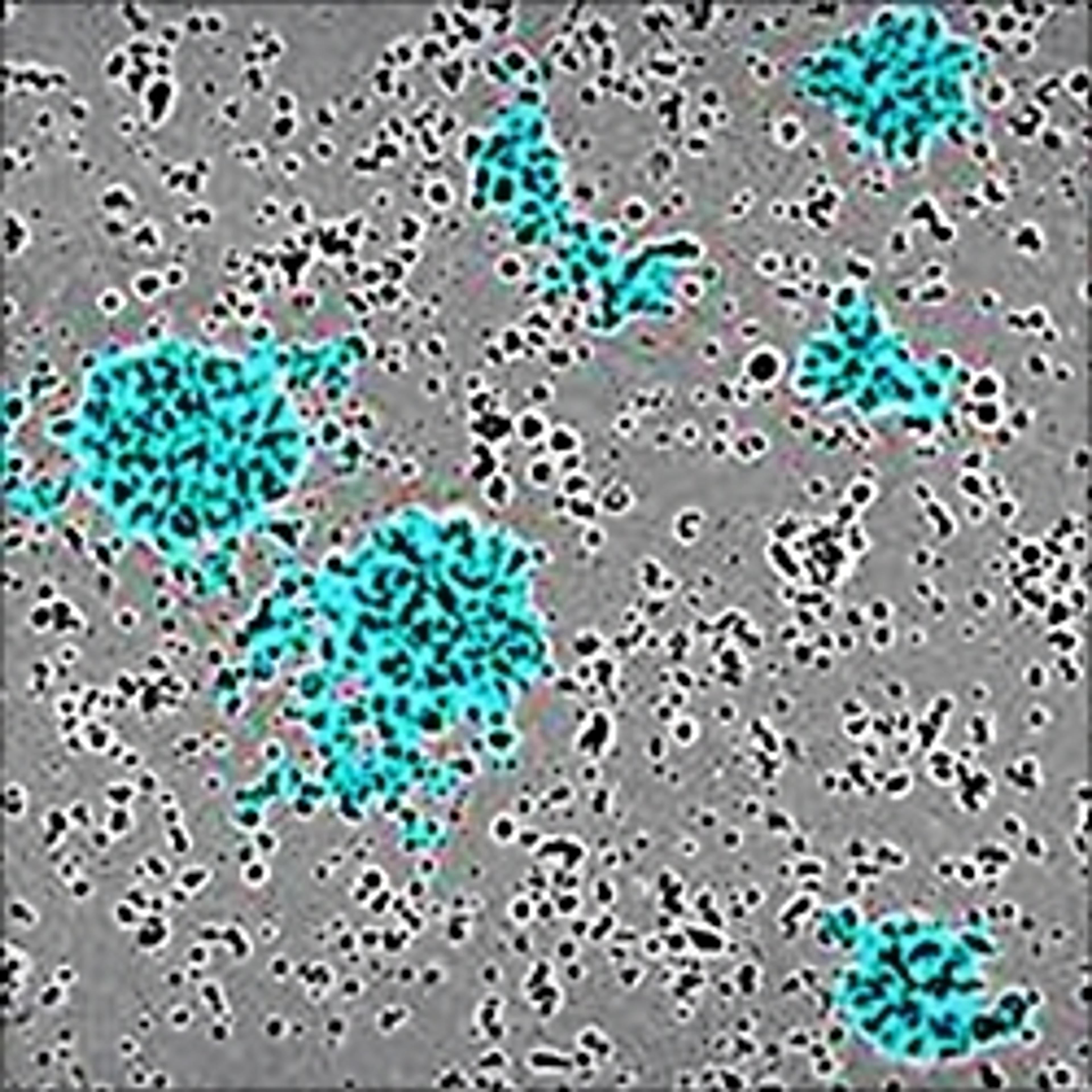
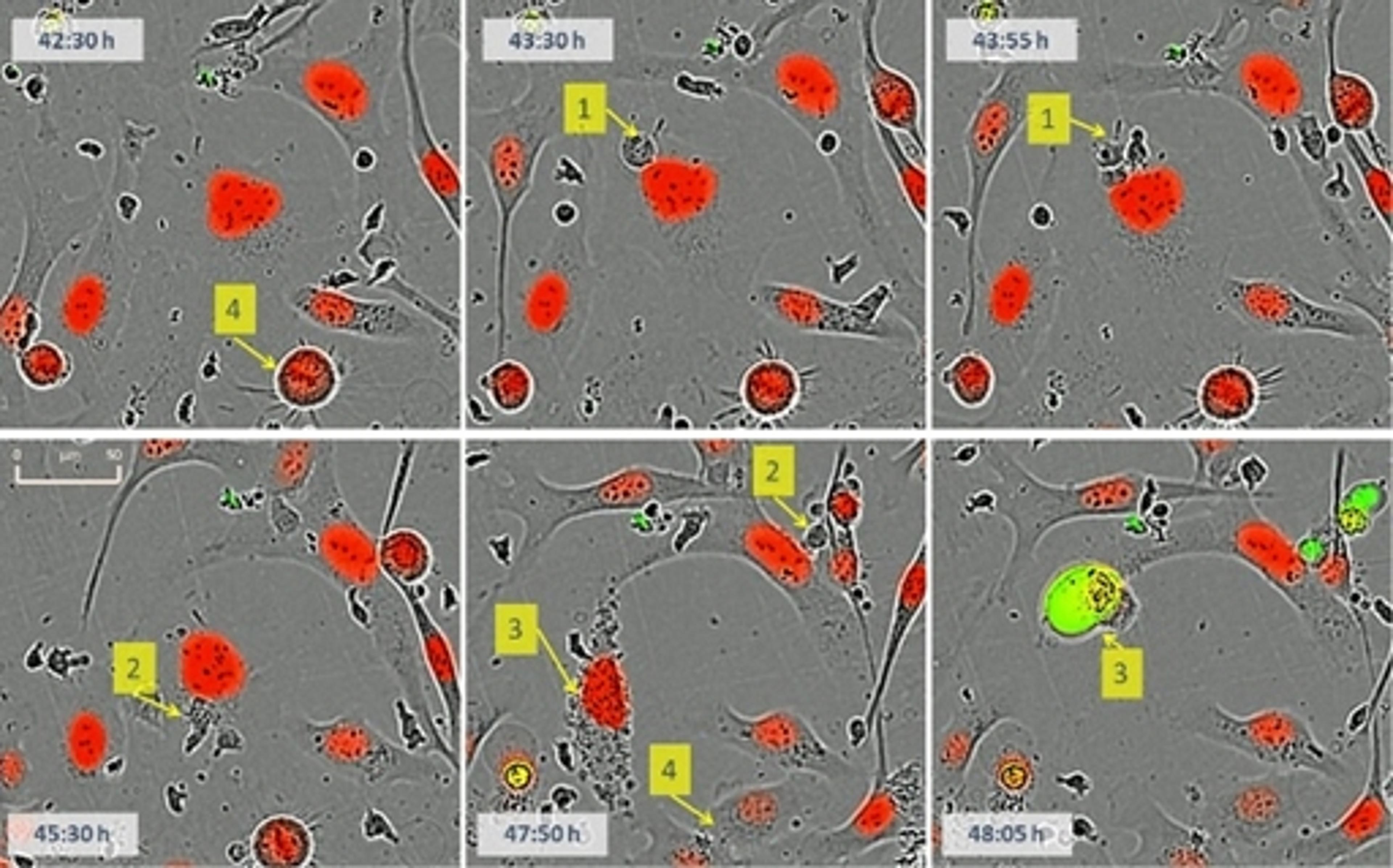
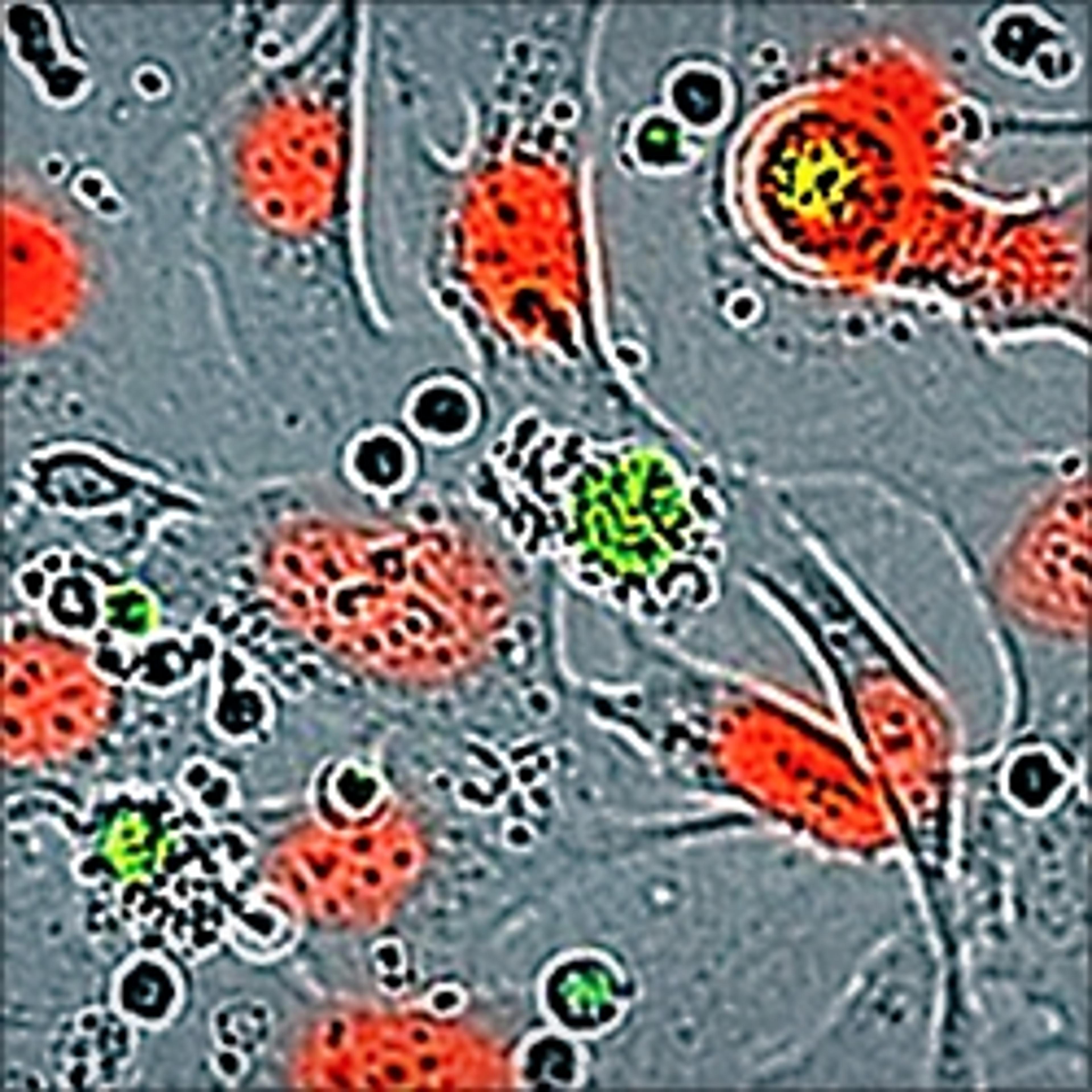
Optimization and characterization of neuronal and neuroimmune cell models, especially human iPSC-derived models, continues to be a focus for cellular neuroscientists in search of relevant disease models. Kinetic Assays for Studying Neuronal Cell Models, describes a suite of assays that enable study of cellular structure and function. “This chapter showcases data ranging from chemotactic movement and phagocytic activity of microglia to long term measurements of neuronal activity,” said Kimberly Wicklund, Ph.D., Head of Product Management for IncuCyte® at Sartorius Corporation.

“Of particular interest for those developing neuronal disease models is our new neuronal activity assay. With our unique patent-pending technology, we can quantify when neurons become active and form connected networks over weeks or even months in 96-well plates, all while the cells stay stationary inside the incubator. This capability can drastically improve productivity during development of differentiation protocols for iPSC-derived neuronal models.”

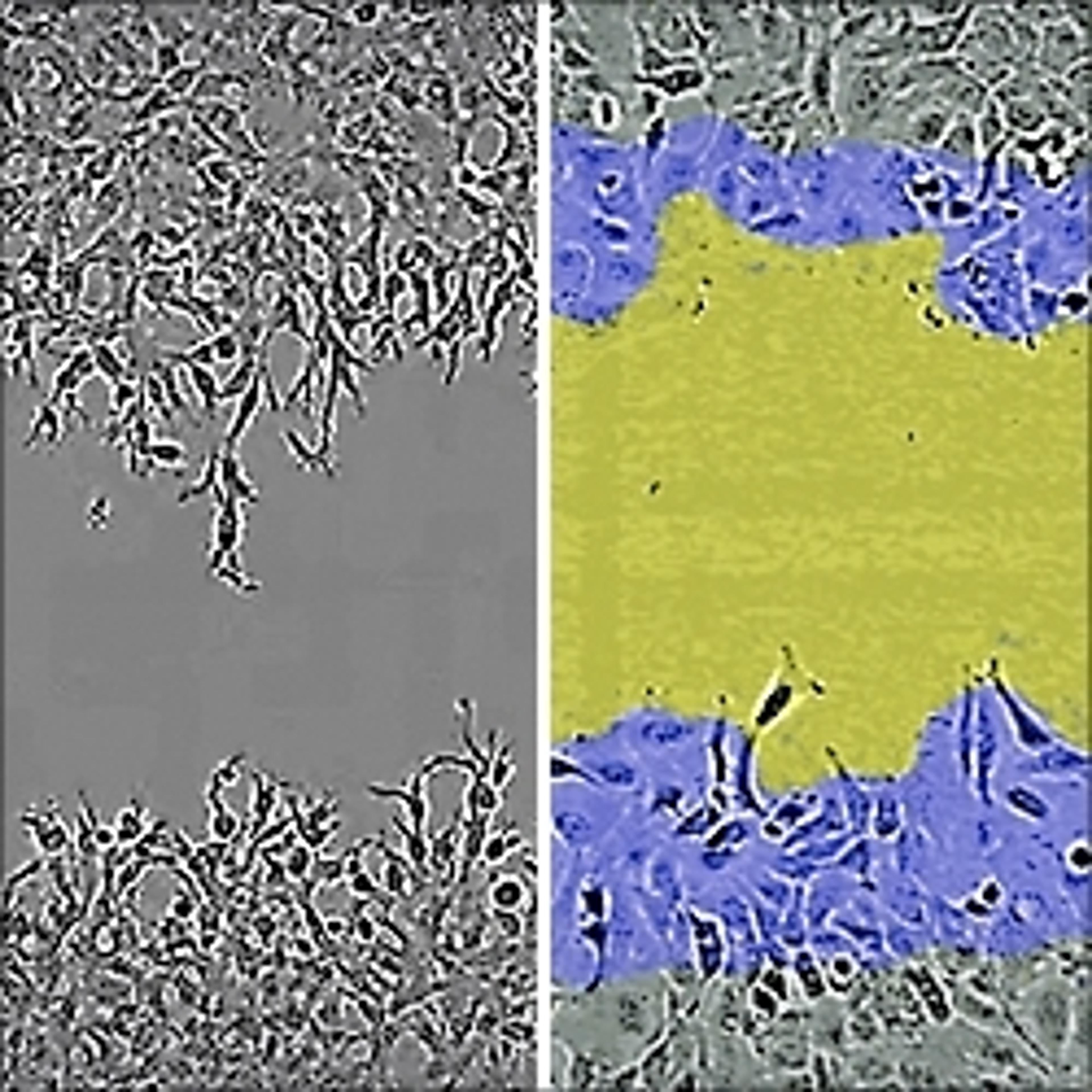
Also tackled in this handbook is a challenging issue facing researchers as live-cell imaging technology becomes more accessible - how do you accurately and systematically identify relevant biological data from thousands of images? In Techniques for Efficient Live-Cell Image Analysis, we explain the steps required to do this. “In the case of the IncuCyte®, we streamline these steps so that the user can easily get from an image to an answer,” said Kimberly Wicklund.

Want more of the latest science news straight to your inbox? Become a SelectScience member for free today>>
Links

Tags

Cell Adhesion AssaysCell adhesion assays are used to quantitate attachment and analyze the molecular mechanisms for extracellular matrix adhesion, cell migration and sensitivity to inhibitors. Find the best cell adhesion assay equipment in our peer-reviewed product directory: compare products, check customer reviews and receive pricing direct from manufacturers.Assay AssemblyAssay Assembly is technique used in drug discovery to develop assays to test the cytotoxicity, genotoxicity, or other activities of a compound on a cell. Assay assembly requires chip assembly, a delivery system and a detection and analysis method. Beneficial features of assay kits or automated systems include high-throughput, high speed and sensitivity and low signal to noise ratio.Cell-Based AssaysCell-based assays are used to monitor the presence, quantity and activities of a desired cellular analyte including drug molecules or biomarkers. This can reveal information on cell health (apoptosis, cytotoxicity, viability and proliferation assays), cell metabolism, cell migration and cell signaling mechanisms. Find the best cell-based assay products, kits and equipment with our peer reviewed product directory: compare products, check customer reviews and receiving pricing direct from manufacturers.Cell AnalysisThe analysis of cells allows researchers to understand the factors which contribute to cell health and function. These influencing processes can then be predicted and altered, leading to the development of medication and disease treatments.Single Cell AnalysisSingle-cell analysis involves studying individual cells to gain insights into their behavior, gene expression, and function. This approach is valuable in cancer research, stem cell biology, and immunology. Explore single-cell analysis products in our peer-reviewed product directory; compare products, check reviews, and get pricing directly from manufacturers.Live Cell ImagingLive cell imaging is the study of living cells using microscopes and high-content imaging systems. This technique provides in-depth insight into fast and complex biological processes, by allowing dynamic imaging of living cells instead of acquiring an individual image at a single point in time.Assay DevelopmentThe process of proving an assay to be sensitive with respect to the target is known as assay development. The assay should be able to characterize novel compounds and measure the potency of these compounds against a validated biological target.Cell Adhesion